Turkey is approaching its goal of European visa liberalisation. According to Haber Aero, only 6 critical criteria remain to be completed for visa-free travel with the EU.
# European Visa Liberalisation: The Final 6 Criteria for Turkey
Hello dear travel lovers and valued readers who dream of global citizenship! As MY Travel, while continuing to guide you through your adventures around the world, today we are going to touch on a very important topic that we are all following with excitement: European Visa Liberalisation and the final 6 remaining criteria for Turkey.
For millions of Turkish citizens who dream of wandering freely through Europe's historic cities, breathing in the peaks of the Alps, or sunbathing along the Mediterranean coast, visa liberalisation is not just a travel convenience, but also a symbol of forging a deeper bond with Europe. For this dream to come true, Turkey has been in an intense negotiation process with the European Union for years. A large part of the road has been covered, but there are still "final turns" to overcome. So, what are these turns? Let's examine together, in detail, these final criteria and Turkey's progress on this path.
What Is Visa Liberalisation and Why Is It So Important?
Visa liberalisation is an agreement that allows citizens of a country to travel to a specific region (in this case, the Schengen Area) for short-term tourism, business, or visit purposes without obtaining a visa. It is generally valid for up to 90 days within any 180-day period. This simplifies the travel planning process, removes bureaucratic obstacles, and greatly increases the international mobility of citizens. For Turkey, European visa liberalisation means the normalisation of relations with the EU and the strengthening of economic and cultural ties.
This convenience opens doors not only for individual travellers but also for the business world, students, and even cultural exchange programmes. Factors such as the cost of visa application processes, time loss, and sometimes the risk of rejection cause many people to postpone their European dreams. Visa liberalisation will remove these barriers, bringing more people together with Europe and increasing mutual understanding. As MY Travel, we are also eager to offer you much more diverse and easily accessible European routes with the dynamism that visa-free travel will bring.
Turkey's Visa Liberalisation Journey: A Brief History
Turkey's visa liberalisation journey gained momentum with the Readmission Agreement signed in 2013. In parallel with this agreement, the EU Commission presented Turkey with a roadmap consisting of 72 criteria. These criteria covered a wide range, from biometric passports to human rights reforms, and from border management to the fight against organised crime. Since then, Turkey has taken significant steps to fulfil the vast majority of these criteria.
The roadmap was a comprehensive reform package aimed at ensuring Turkey's alignment with EU standards. There was an intense process of dialogue and cooperation between governments, civil society organisations, and EU institutions. During this process, many legal regulations were made, inter-institutional coordination was increased, and compliance with international agreements was ensured. However, on this long and arduous journey, some criteria involving particular political sensitivities caused the process to slow down. At this point, according to EU Commission reports, there remain "the final 6 criteria" that Turkey still needs to complete.
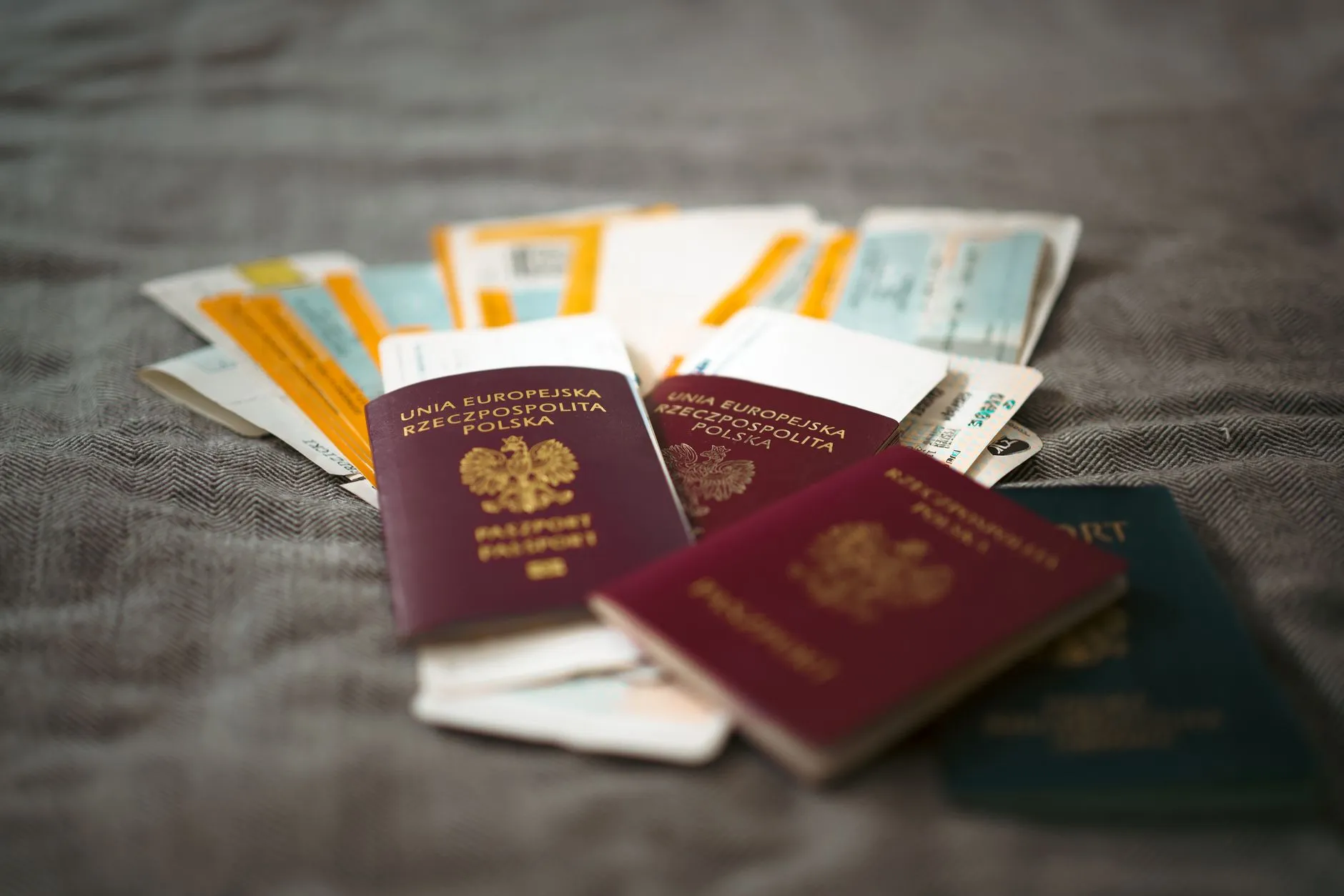
The Remaining 6 Criteria for Turkey for European Visa Liberalisation
Here are the critical final 6 criteria set by the EU Commission that Turkey is expected to complete for visa liberalisation:
1. Alignment of the Anti-Terror Law with EU Standards
This is perhaps one of the most debated and hardest-to-agree-upon criteria. The EU demands that the scope of Turkey's anti-terror law be narrowed so that it does not restrict fundamental rights such as freedom of expression and freedom of the press. According to the European Union, the current law can also be used in investigations and cases against people with no connection to terrorism, which raises concerns regarding the rule of law and fundamental rights.
Turkey, on the other hand, argues that these laws are vital for national security due to its geographical position and the terrorist threats it faces. Fulfilling this criterion requires finding a balance that will meet both Turkey's security needs and ease the EU's sensitivities regarding fundamental rights and freedoms. This will involve not just a legal change, but a deep political consensus and the building of mutual trust.
2. Full Alignment of the Personal Data Protection Law with EU Legislation
The European Union places great importance on the protection of its citizens' personal data and sets standards through the General Data Protection Regulation (GDPR), one of the strictest regulations in the world in this field. Turkey's Personal Data Protection Law (KVKK), which came into force in 2016, is close to EU standards but contains some differences, particularly regarding data transfer, independent supervisory mechanisms, and the rights of data subjects.
The EU wants Turkey to bring this law into full alignment with the GDPR, in particular by strengthening the independence of the data protection authority and bringing international data transfer mechanisms in line with EU standards. Completing this criterion will both increase the data security of Turkish citizens and pave the way for safer cooperation with the EU in the digital field. As MY Travel, you can be sure that we always prioritise the security of your customer data.
3. Strengthening Anti-Corruption Mechanisms
The fight against corruption forms the foundation of the rule of law and the principle of transparency. The EU demands that Turkey take more effective steps against corruption, particularly by increasing the independence and effectiveness of investigation and prosecution processes related to corruption. This includes determining an anti-corruption strategy in line with international standards, strengthening the capacity of relevant institutions, and increasing the accountability of public officials.
Completing this criterion will strengthen Turkey's reputation on the international stage, improve the investment environment, and increase citizens' trust in the state. A transparent and accountable governance approach is of great importance not only for the EU but also for Turkey's own internal dynamics.
4. Fight Against Organised Crime and International Cooperation
Organised crime is a serious threat that crosses national borders and requires international cooperation. The EU expects Turkey to adopt a more effective strategy against organised crime and, in particular, to increase cooperation with EU institutions such as Europol. This includes facilitating information sharing, organising joint operations, and stronger coordination to dismantle international crime networks.
Due to its geographical position, Turkey plays a critical role in the fight against organised crimes such as drug trafficking and human trafficking. Fulfilling this criterion will both increase Turkey's own security and make significant contributions to the EU's border security and overall security. International cooperation is an indispensable element in fighting crime in the modern world.
5. Protection of Fundamental Rights and Freedoms and Judicial Reform
Fundamental rights and freedoms, which form the basis of democracy and the rule of law, are indispensable values for the EU. The EU expects Turkey to protect fundamental rights and freedoms such as freedom of expression, freedom of assembly, and the right to a fair trial more effectively, and to deepen reforms in the judicial system. This includes issues such as the implementation of European Court of Human Rights (ECtHR) rulings, strengthening judicial independence, and accelerating judicial processes.
Judicial reform means freeing the judiciary from political influence, ensuring the independence of judges and prosecutors, and establishing an equal and fair judicial system for all citizens. Completing this criterion will give significant momentum to Turkey's democratisation process and reinforce citizens' belief in the principle of the rule of law.
6. Effective and Non-Discriminatory Implementation of the Readmission Agreement
The Readmission Agreement is an agreement that stipulates the return to Turkey of migrants who have entered the EU illegally and are determined to have come through Turkey. The full and effective implementation of this agreement, without any discrimination, is considered one of the key elements of the visa liberalisation process. The EU expects Turkey to comply with all provisions of the agreement, particularly regarding the readmission of third-country nationals.
Since Turkey signed this agreement in exchange for visa liberalisation, the fulfilment of this criterion is being monitored by the EU with great sensitivity. Effective implementation of the agreement will provide significant support to the EU's efforts to combat irregular migration, while also serving as an indicator of the trust relationship between the EU and Turkey. This is a criterion that emphasises the importance of commitment to international obligations and mutual responsibilities.
Why Are These Criteria So Important? The EU's Perspective
For the European Union, visa liberalisation is not just a travel convenience, but also a relationship built on trust, the rule of law, and shared values. There are fundamental reasons why the EU is so insistent on these criteria:
- Security: Visa-free travel within the Schengen Area means there are no border controls. Therefore, it is essential that the security standards of the countries from which people entering the area come are close to EU standards. The criteria on counter-terrorism, organised crime, and data protection are directly related to these security concerns.
- Rule of Law and Fundamental Rights: The EU expects member states and countries offered visa-free travel to show respect for the rule of law, democracy, and human rights. The criteria on judicial independence, freedom of expression, and the fight against corruption aim to protect these fundamental values.
- Migration Management: The Readmission Agreement is a critical tool in the fight against irregular migration. The EU considers the full implementation of such agreements essential to secure its borders and manage migration flows.
Completing these criteria will pave the way for Turkey to become, for the EU, not just a neighbour but a partner that shares common values and is based on mutual trust. This process should also be considered as an opportunity for Turkey to move even closer to European standards.
Turkey's Progress and the Challenges Faced
Turkey has completed the vast majority of the 72 criteria in the visa liberalisation roadmap. Significant progress has been made in many areas, such as the transition to biometric passports, increasing border management capacity, and signing international cooperation agreements. However, the final 6 criteria mentioned above carry more difficulty, particularly due to the political dimensions of legal regulations and implementation practices.
These challenges include finding a balance between national security priorities, such as the anti-terror law, and the EU's expectations regarding fundamental rights; the scope and pace of judicial reforms; and achieving full compliance with EU legislation on technical matters such as personal data protection. Completing these criteria requires not only technical alignment but also political will and a more constructive dialogue between the EU and Turkey. As MY Travel, we are closely following every stage of this process and continuing to keep you informed.
So What Should Turkish Travel Lovers Do Until Visa Liberalisation Arrives? Practical Tips!
Although the good news of visa liberalisation has not yet arrived, you don't need to postpone your European dreams! As MY Travel, we are always by your side to ensure you have a smooth travel experience. Here are some practical tips you can apply until visa liberalisation arrives:
- Pay Close Attention to Your Schengen Visa Applications: Until visa liberalisation arrives, continue to make your Schengen visa applications complete and accurate. Prepare the necessary documents carefully and clearly state your travel purpose and plans.
- Get Travel Health Insurance: Travel health insurance, which is mandatory for a Schengen visa, is more than just a document—it is a vital safeguard for possible health problems or emergencies you may encounter abroad. As MY Travel, we offer affordable and comprehensive insurance options.
- Show Your Financial Situation: Be ready to submit documents such as bank account statements and salary slips that show you can cover your travel expenses in your application.
- Prepare Your Accommodation and Flight Reservations: Confirmation of your accommodation and flight information will be requested in your visa application. You can strengthen your application by making these reservations in advance.
- Follow the Latest News: The visa liberalisation process is a dynamic one. Follow the MY Travel blog and reliable news sources to stay informed of the latest developments.
- Get Professional Support: Visa application processes can be complicated. As MY Travel, we guide you with our visa consultancy services and stand by you to simplify the entire process. For detailed information and consultancy, you can visit mytravel.tr.
- Discover Alternative Destinations: Even if you can't travel to Europe without a visa, there are many wonderful countries you can visit visa-free! You can set sail for new adventures by exploring MY Travel's wide range of destinations.
Conclusion: Hopeful Waiting and Preparation
European visa liberalisation is, for Turkey, not just a travel convenience, but also a powerful symbol of integration with Europe and unity around shared values. Completing the final 6 criteria is of great importance both for Turkey to deepen its own internal reform processes and to rebuild mutual trust with the EU. Although the timing of the completion of this process remains uncertain, being hopeful and being prepared is always the best approach.
As MY Travel, we will continue to closely follow this exciting process, provide you with the most up-to-date information, and stand by you with all our resources to help you realise your European dreams. When visa liberalisation arrives, and Europe's doors are thrown wide open, be ready to collect unforgettable memories with MY Travel! For now, you can continue to discover the beauties of Europe by completing the current visa processes in full, or you can consider other wonderful destinations you can visit visa-free. Remember, the world is a treasure waiting to be discovered!
Don't forget to visit mytravel.tr for more travel tips, destination guides, and current news. See you on your next adventure, take care!
Frequently Asked Questions
When will European visa liberalisation for Turkey begin?
Although no exact date has yet been announced in the visa liberalisation negotiations that Turkey is conducting with the EU, according to the latest reports, only 6 criteria remain to be completed. Once these criteria are fulfilled, the EU Commission will be able to evaluate the process and officially announce visa liberalisation. We recommend regularly visiting MY Travel to follow current developments.
What are the 6 criteria Turkey must meet for European visa liberalisation?
The remaining 6 criteria requested by the EU from Turkey cover topics such as bringing anti-terror legislation into line with EU standards, strengthening judicial independence, updating personal data protection legislation, expanding the use of biometric passports, increasing anti-corruption measures, and deepening cooperation with EU member states. You can review the European Commission's official reports for the full list of criteria and their current status.
Can Turkish citizens currently travel to Europe without a Schengen visa?
No, Turkish citizens are currently required to obtain a visa to enter the Schengen area. Schengen visa applications are made to the consulate of the destination country in Turkey. The current visa practice will continue until the visa liberalisation agreement comes into force. You can get detailed information about visa application processes and required documents through MY Travel.
How long will Turkish citizens be able to stay in Europe once visa liberalisation is granted?
Once the visa liberalisation agreement is implemented, Turkish citizens will be subject to the same rules as citizens of other visa-exempt countries. Under this arrangement, they will be able to stay in the Schengen area visa-free for up to 90 days within any 180-day period. This period covers short-term travel for tourism, family visits, or business purposes, while separate permits will be required for work or long-term residence.
How will European visa liberalisation make travel from Turkey to Europe easier?
Visa liberalisation will offer Turkish citizens many important advantages: the consulate appointment waiting time and visa fees will be eliminated, travel plans can be made much more flexibly and spontaneously, business trips will speed up, and visits to relatives or friends in Europe will become easier. It is also expected that tourism spending will decrease and the frequency of travel will increase. Stay tuned to MY Travel for European travel opportunities after visa liberalisation.
My Travel Team
Travel Editor
The My Travel team prepares up-to-date travel, visa and tourism information and guides.