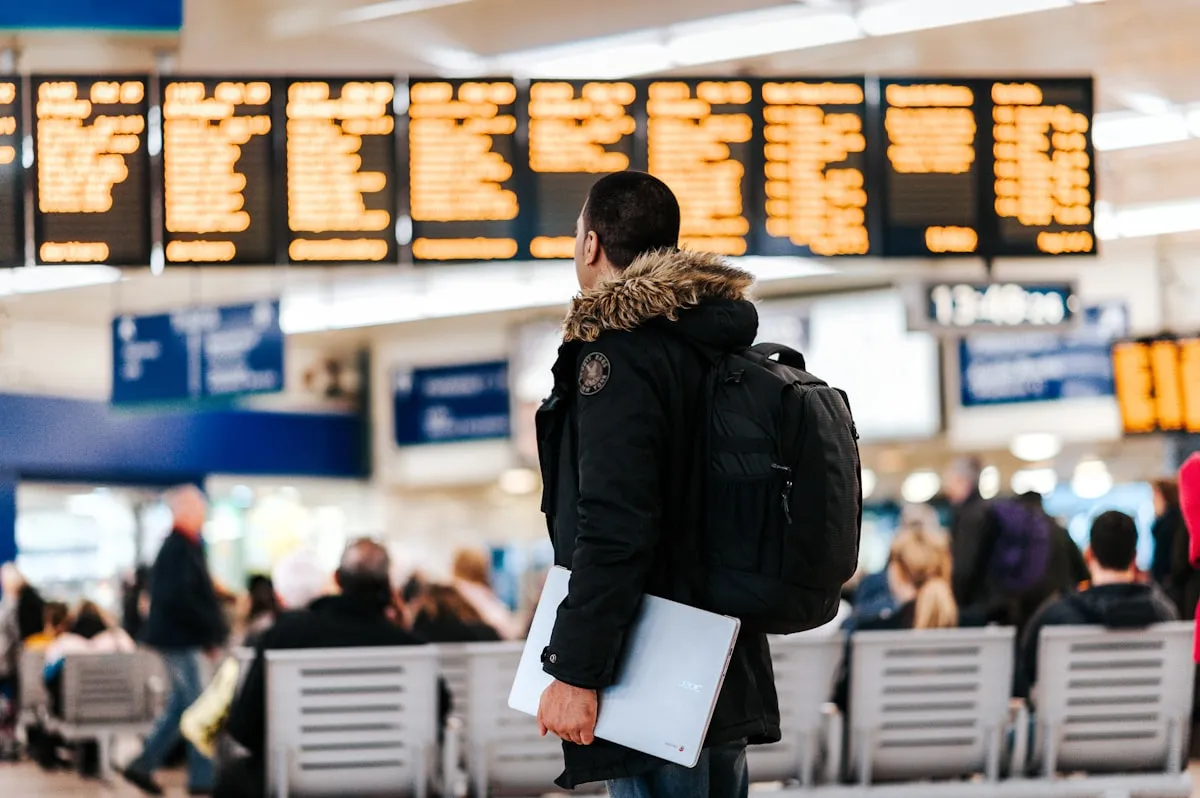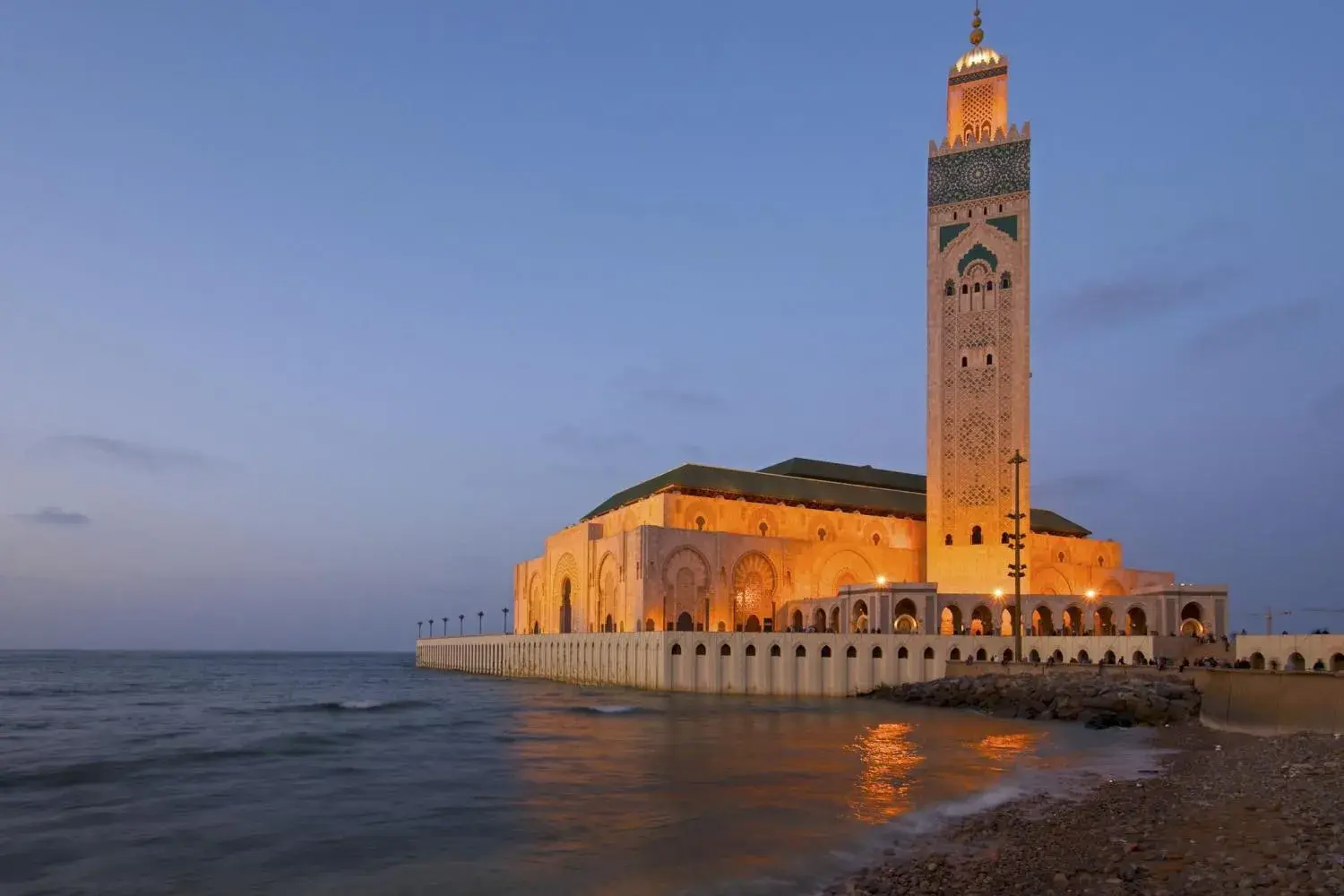
The most up-to-date visa information and entry requirements for those planning to travel to Morocco. Does Morocco require a visa for Turkish citizens? Passport and travel details.
Great news for Turkish citizens planning to travel to Morocco: Morocco does not require a visa from holders of ordinary (burgundy) passports for tourist trips of up to 90 days. Holders of special (green), service (grey) and diplomatic (black) passports are likewise exempt from visas. This means you can easily set foot in this exotic gem of North Africa, removing the obstacles in front of you to explore it.
Hello fellow travellers! Here at My Travel, we're here to bring you the most accurate and up-to-date information for your journeys around the world. Today, we'll be answering in full detail an important question you've been curious about regarding Morocco, one of the most popular destinations of recent years: "Does Morocco require a visa?" With its unique culture, enchanting cities, colourful markets and unmatched natural beauty, Morocco deserves a place on every traveller's dream list. But the first question that comes to mind before visiting any country is usually visa procedures, right? Let's plan the first step of your unforgettable trip to Morocco together.
Morocco Visa Status for Turkish Citizens: The Clear Answer
The answer to "Does Morocco require a visa?" is quite pleasing, especially for Turkish citizens: No, Morocco does not require a visa from Turkish citizens for tourist trips of up to 90 days. This applies to holders of ordinary (burgundy) passports as well as holders of special (green), service (grey) and diplomatic (black) passports. Thanks to existing agreements between Turkey and the Kingdom of Morocco, Turkish citizens have the privilege of entering Morocco without a visa. This means that when planning your trip, you're spared the time and cost burden that visa application processes would otherwise bring.
This visa exemption makes Morocco a highly attractive destination for Turkish travellers. Instead of dealing with gathering documents, booking appointments and waiting around for a visa application, you can focus directly on booking your flight tickets and accommodation for your dream trip to Morocco. However, being able to travel without a visa doesn't mean no documents will be required at all. When entering Morocco, you should carry your valid passport along with certain documents supporting the purpose of your trip. These documents may be requested by officials at the border crossing and are of critical importance for your trip to proceed smoothly.
Passport and Entry Requirements: What Do You Need?
Even though you can enter Morocco without a visa, you still need to meet certain standard passport and entry requirements that apply to international travel. These requirements are quite important for your trip to start and finish smoothly. As My Travel, we're happy to provide you with a detailed guide on this matter:
- Passport Validity: To enter Morocco, your passport must be valid for at least 6 more months from your date of entry into the country. This rule is a common practice in international travel, ensuring your passport remains valid throughout the duration of your trip and for any unexpected situations (such as extending your travel). Be sure to check your passport's validity date before your trip. If the remaining validity is insufficient, you'll need to apply for a new passport.
- Blank Page: Your passport must have at least two blank pages for Morocco's entry and exit stamps. Don't forget to check the blank page status of your passport before your trip.
- Return Ticket: When entering Morocco, you may be asked to present a return ticket showing that you will leave the country, or a ticket to your next travel destination. This proves that you do not intend to stay in Morocco illegally. For this reason, it's very important to arrange your round-trip ticket in advance when planning your trip.
- Proof of Accommodation: You should carry an accommodation document showing where you'll be staying in Morocco, such as a hotel reservation, Airbnb printout, or letter of invitation. This document shows that your trip is for tourism purposes and that you have a place to stay. Officials may ask about this, especially at your first point of entry (usually the airport).
- Sufficient Financial Means: You may be asked to prove that you have sufficient financial resources to support yourself during your stay in Morocco. This can usually be shown with documents such as cash, a credit card, or a bank account statement. While there is no specific required amount, you're expected to show that you have a budget to cover your daily expenses and any possible emergencies.
- Purpose of Travel: Border officials may verbally ask about your purpose of travel. If you're travelling for tourism, it will be sufficient to state this clearly.
Preparing all these documents before your trip and keeping them easily accessible will significantly speed up your entry process into Morocco.
Entry and Exit Procedures in Morocco: What Awaits You at the Airport?
When you arrive in Morocco, there are certain standard entry and exit procedures awaiting you at the airport. Even if you're travelling without a visa, knowing these procedures and being prepared for them will ensure your trip goes stress-free.
- Filling Out a Form on the Plane: On most flights to Morocco, you'll be given an "Entry/Exit Card" (Fiche d'Immigration) form before landing. This form asks you to fill in basic information such as your passport details, flight number, address in Morocco, and purpose of travel. Filling out the form correctly and completely will save you time at passport control. If it's not handed out on the plane, you can find it near the passport control counters at the airport.
- Passport Control: After disembarking, follow the signs for "Passport Control" or "Police des Frontières" to reach the passport control point. Here, you present your filled-out entry card and passport to the officer. The officer will examine your passport, check your details, and may ask you a few simple questions (such as "What is the purpose of your visit?", "How long will you be staying?"). It's important to answer these questions honestly and clearly. If everything is in order, your passport will be stamped with an entry stamp and you'll be welcomed to Morocco!
- Baggage Claim and Customs: After passing through passport control, you'll head to the conveyor belts to collect your baggage. After collecting your baggage, you may need to pass through customs control. There are usually "Green Line" (if you have nothing to declare) or "Red Line" (if you have items to declare) options. Most tourists travelling with items within legal limits use the green line. Although rare, customs officers may wish to inspect your baggage.
- Exit Process: A similar process applies when leaving Morocco. It's important to arrive at the airport early to allow enough time for check-in and security checks. At passport control, you'll receive your exit stamp along with your passport and flight ticket. This process is usually quick and smooth as well.
While procedures at Moroccan airports are generally well-organized, waiting times may increase during busy tourist seasons or at certain flight times. For this reason, remember to arrive at the airport early and be patient.
Length of Stay in Morocco and Extension Options
As Turkish citizens entering Morocco without a visa, you generally have the right to stay in the country for up to 90 days. This period is quite sufficient for your touristic explorations, business meetings, or family visits. However, you should keep in mind that this 90-day period is valid from the date of your first entry into the country and is continuous.
So, what should you do if you want to stay in Morocco longer than 90 days? In this case, you need to apply to the relevant authorities in Morocco to extend your stay. However, this process is generally not very easy for tourist trips and is subject to certain conditions.
- Application to Extend Stay: If you want to extend your 90-day visa-free stay, you need to apply to the local police stations (Préfecture de Police) or the foreigners' bureau affiliated with Morocco's Ministry of Interior before this period ends. In your application, you're expected to explain in detail the reason for your extension request (for example, a special project, long-term education, family reasons) and present supporting documents. These documents may include your passport, your existing entry stamp, documents showing your financial sufficiency during your stay, proof of accommodation, and a petition explaining your extension request.
- Process and Approval: Applications to extend your stay generally require a detailed review and approval is not guaranteed. Moroccan authorities evaluate each application within its own specific circumstances. If your extension request is approved, an additional period of 30 days or more may generally be granted. Keep in mind that this process may take time, and you should adjust your travel plans accordingly.
- Overstaying: If you exceed your visa-free stay period (90 days) or your extended period, you may face serious problems. Foreigners who overstay are generally fined and may face restrictions on future entries to Morocco or risk deportation. For this reason, it's extremely important to pay attention to your length of stay and comply with the law. If you have any doubts or need an extension, we strongly recommend contacting local authorities without delay.
Special Situations and Points to Pay Attention To
While planning your trip to Morocco, in addition to the general information mentioned above, it's worth noting some special situations and details to pay attention to. As My Travel experts, we offer additional advice to help you stay safe and informed at every stage of your trip:
- Dual Citizenship Status: If you hold both Turkish citizenship and citizenship of another country, it's important which passport you use to enter Morocco. Generally, it would be most practical to use your Turkish passport, since you have the right to enter without a visa with it. However, if you need to obtain a visa for Morocco with your other nationality's passport but have visa-free entry rights with your Turkish passport, it's recommended to prefer your Turkish passport to avoid confusion. Keep in mind that the airline you're travelling with may also be sensitive about name and surname matches on both passports.
- Visa Status for Citizens of Other Countries: Although this guide is written for Turkish citizens, we'd like to note that visa rules vary for people of different nationalities travelling to Morocco. If your travel companions or family members are not Turkish citizens, they must check Morocco's visa requirements according to their own nationality from Morocco's official representatives (embassy or consulate).
- Possible Issues at Border Crossings and Solutions: While entry into Morocco is usually smooth, unexpected situations may rarely occur at border crossings. For example, wear on your passport, an error in the form you filled out, or an officer requesting additional information may occur. In such cases, the best approach is to remain calm, cooperate, and follow the officials' instructions. Having all your documents (passport, return ticket, hotel reservation, financial proof) complete and easily accessible will minimize possible problems. If you have difficulty speaking English or French, it may be helpful to keep important information written down or noted with you.
- Importance of Travel Insurance: Even if you're travelling without a visa, getting international travel insurance is always a wise step. Travel insurance protects you financially in cases of unexpected health problems, accidents, lost luggage, or trip cancellations. Being prepared regarding access to healthcare services and costs in Morocco will help you enjoy your trip.
- The Importance of Checking Up-to-Date Information: Visa and entry requirements can change from time to time based on countries' foreign policies. For this reason, we strongly recommend checking the most up-to-date information from the official websites of the Kingdom of Morocco's Embassy or Consulate in Turkey shortly before your trip. As My Travel, we also continuously follow up-to-date information, but confirming with official sources is always the most reliable method.
My Travel Is by Your Side in Planning Your Trip to Morocco
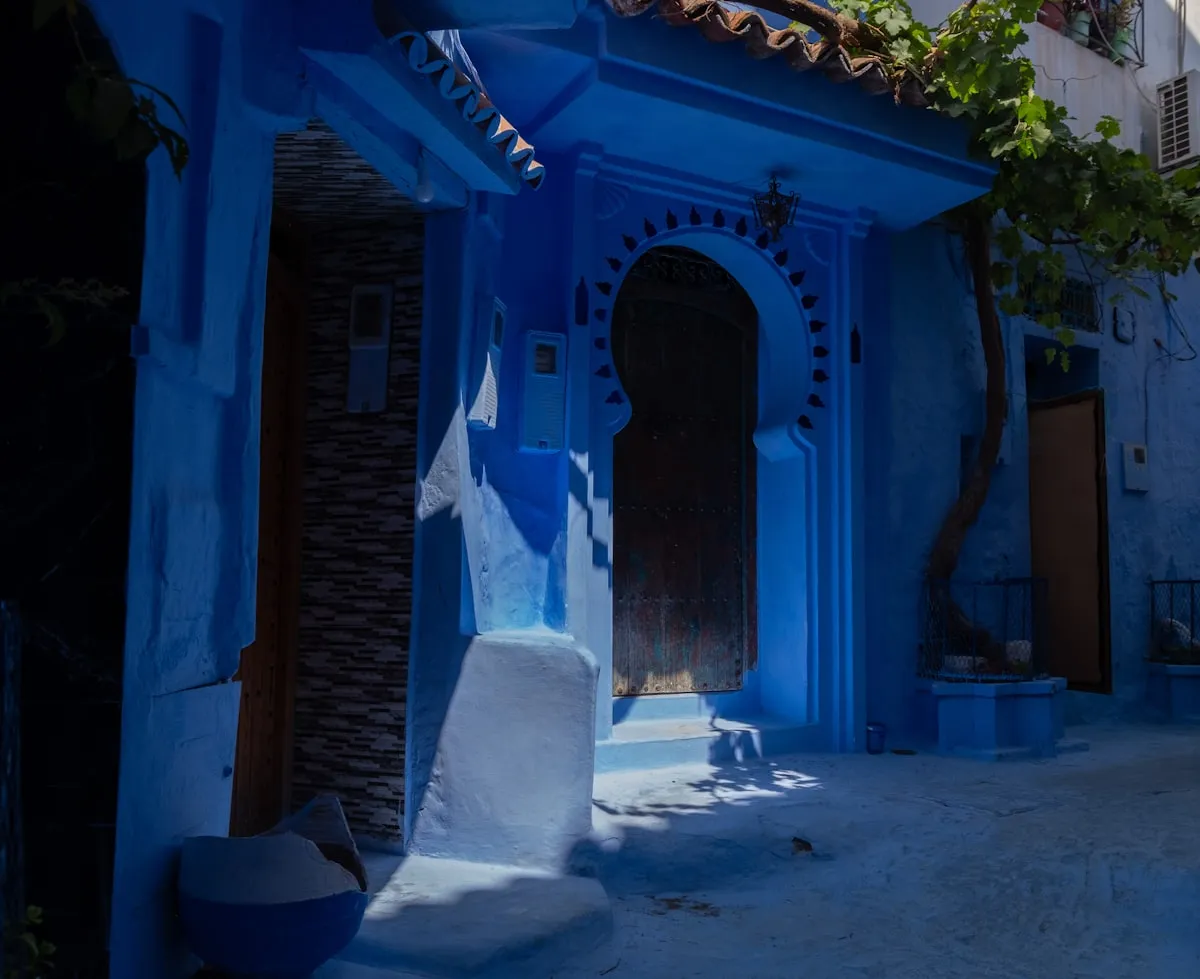
From the vibrant squares of Marrakech to the labyrinthine streets of Fes, from the blue dreams of Chefchaouen to the endless dunes of the Sahara Desert, Morocco is a treasure waiting to be discovered in every corner. Thanks to the visa-free travel opportunity, reaching this magical country is now much easier. However, trip planning, especially if you're going for the first time, can sometimes be confusing. Which cities should you visit, where should you stay, how should you arrange transportation, which are the best tours?
This is exactly where My Travel comes in! Our travel experts consist of experienced professionals who know every detail of Morocco. We arrange the most suitable flight tickets for you, accommodation options that suit your budget and taste, unforgettable tours with local guides, and transfers, leaving you with nothing to do but pack your bags and hit the road. Whether you're looking for a cultural discovery, an adventure-filled desert safari, or a relaxing seaside getaway, we create personalized travel programs to turn your Morocco dreams into reality.
To get expert support in planning your trip and to experience Morocco's magical atmosphere in the best way, you can reach us at mytravel.tr and design your dream Morocco holiday together with us. Remember, with My Travel, your journeys become not just a holiday, but an experience in which you gather unforgettable memories.
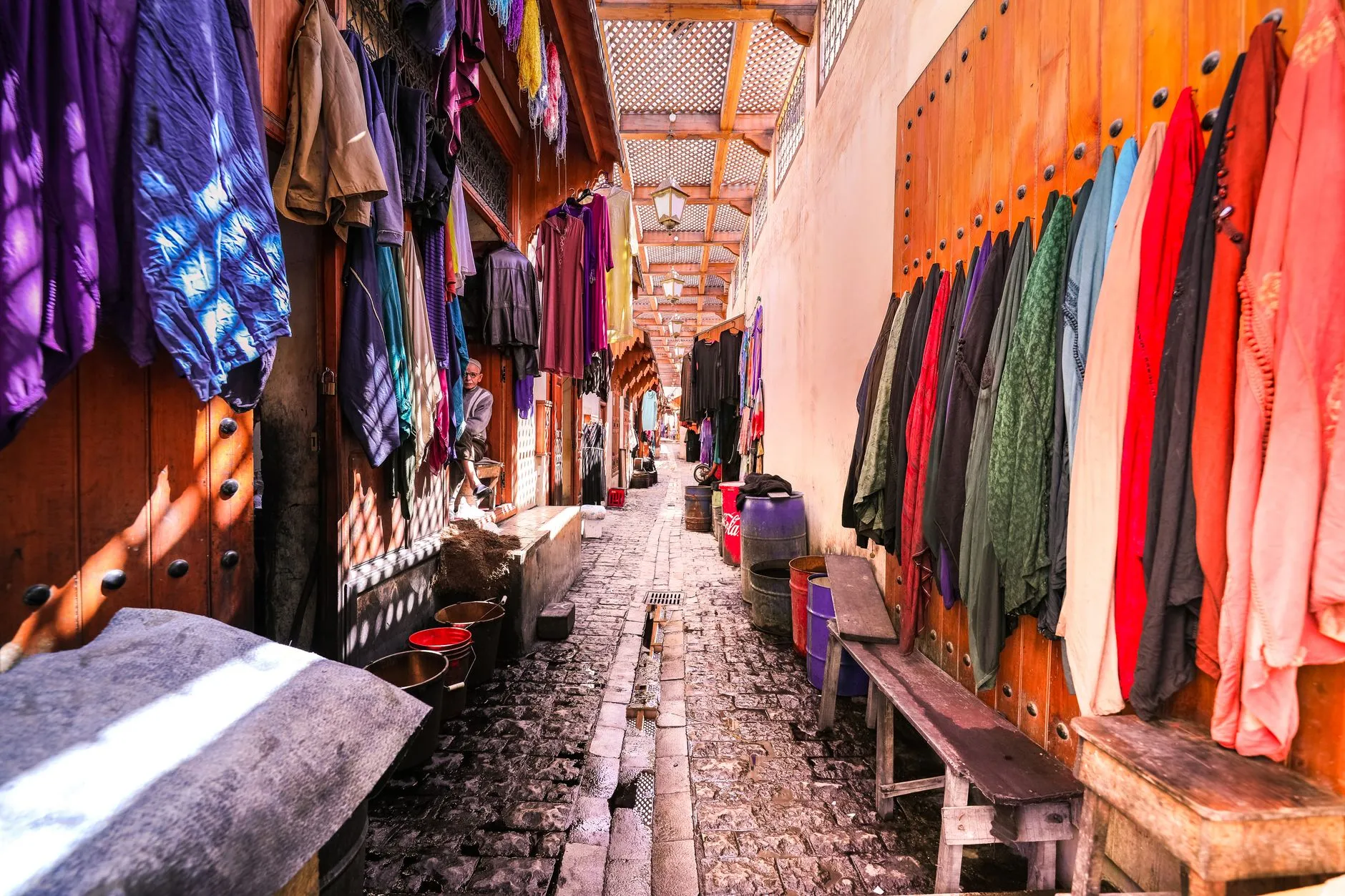
Morocco's doors are wide open to Turkish citizens! By taking advantage of this visa-free travel opportunity, you can embark on a unique adventure where you'll feel like you're in a tale from One Thousand and One Nights, get lost in spice-scented bazaars, witness the grandeur of the Atlas Mountains, and meet the hospitable people of Morocco. As long as you meet the necessary passport and entry requirements, your trip to Morocco will go smoothly and enjoyably. Safe travels in advance!
Frequently Asked Questions
How long can you stay in Morocco without a visa?
Turkish citizens can stay in Morocco for up to 90 days without a visa for tourist trips. This period begins from the date you enter the country and is continuous.
What should my passport's validity period be?
To enter Morocco, your passport must be valid for at least 6 more months from your date of entry into the country. Additionally, your passport must have at least two blank pages for entry and exit stamps.
Is a ticket or hotel reservation required to enter Morocco?
Yes, when entering Morocco, you may be asked to present a return ticket showing that you will leave the country, or a ticket to your next travel destination, along with a document showing your accommodation address in Morocco (hotel reservation, Airbnb printout, etc.). These documents support that the purpose of your trip is tourism.
How much cash should I carry when travelling to Morocco?
While there is no specific required cash amount, you may be asked to prove that you have sufficient financial resources to support yourself during your stay in Morocco. This can generally be provided with cash, a credit card, or bank account statements showing that you have a budget to cover your daily expenses and any possible emergencies.
Frequently Asked Questions
Can Turkish citizens go to Morocco without a visa?
Yes, Turkish citizens can travel to Morocco without a visa. Holders of ordinary (burgundy) passports can enter without a visa for tourism purposes for up to 90 days. Holders of special (green), service (grey) and diplomatic (black) passports also benefit from the same visa exemption.
How many days can you stay in Morocco without a visa?
Turkish citizens can stay in Morocco for up to 90 days without a visa in a single visit. This period applies to tourist trips. If travelling for work or long-term residence purposes, a separate visa and residence permit application must be made.
What documents are required to enter Morocco?
A passport with at least 6 months of remaining validity is mandatory to enter Morocco. In addition, a return ticket, accommodation reservation, and documents showing sufficient financial means (such as a bank statement) may be requested by customs officials. Although a visa is not required, these supporting documents make your trip easier.
Is extra documentation required when travelling to Morocco with children?
If a child under 18 is travelling alone or with one parent, a notarized consent letter may be requested. If both parents are travelling together, additional documents are generally not required; however, it's recommended to carry an ID card or birth certificate in case of possible checks.
Is it possible to extend a visa in Morocco?
Turkish citizens who wish to exceed the 90-day visa-free stay period can apply to local immigration authorities in Morocco (Direction Générale de la Sûreté Nationale) to request a residence permit. While it is legal to leave the country and re-enter before the period expires, customs officials may request additional explanation in cases where this is repeated frequently.
Related Articles
My Travel Team
Travel Editor
The My Travel team prepares up-to-date travel, visa and tourism information and guides.