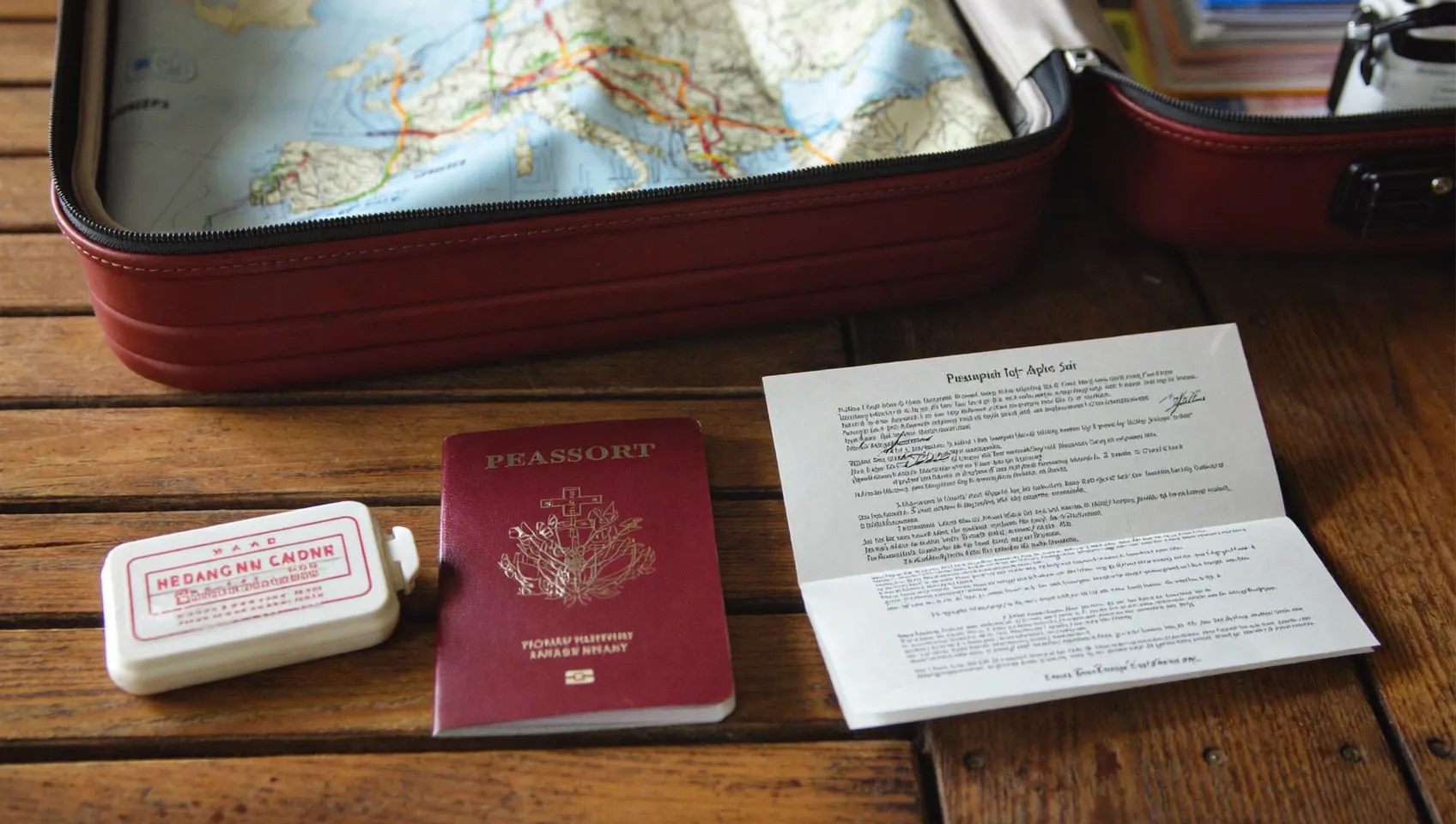
We've gathered visa, passport, insurance, border registration and security rules into one checklist before your trip to Italy.
The most important rule to know before traveling to Italy is this: Turkish citizens cannot enter Italy visa-free with an ordinary passport; a Schengen visa is required. The visa grants a stay of up to 90 days within 180 days; the fee is €90, and processing takes 15-21 business days. Passport requirements, insurance, the first country of entry, and biometric registration at the border should also be clarified before departure.
In brief
- A Schengen visa is mandatory for Turkish citizens holding ordinary passports traveling to Italy.
- The visa allows a stay of up to 90 days within 180 days; the first entry must be made to Italy.
- The passport must have at least 2 blank pages and remain valid for at least 90 days after the visa expires.
- Get health insurance with coverage of at least 30,000 euros; allow time for biometric registration at the border.

Visa rule: a Schengen visa is required
Italy is within the Schengen area. Holders of ordinary passports are subject to a visa requirement for Italy. You can see the current requirements on the Italy visa page.
Key figures:
- Length of stay: Up to 90 days within 180 days.
- Processing time: 15-21 business days.
- Fee: €90.
Since processing can take weeks, plan your appointment before purchasing a tour or flight ticket. Buying a non-refundable ticket before visa approval is risky.
Your travel purpose determines the visa type. For tourist trips, a short-term Schengen visa application is made. For stays of up to 90 days, the Schengen visa application form is used; for stays exceeding 90 days, the national visa application form is used.
Those who can travel without a visa
Holders of diplomatic, service and special passports can travel to Italy visa-free, provided they do not exceed 90 days within 180 days. This exception does not apply to ordinary passport holders.
For frequent travelers, we explained the long-term visa option in our Schengen trusted traveler formula article.
Passport and insurance requirements
Check your passport before applying for a visa. Missing documents are where applications most often get stuck.
- The passport must be valid for at least 90 days after the visa expiry date.
- The passport must have at least 2 blank pages.
- The passport must have been issued within the last 10 years and remain valid for at least 3 months from the planned end date of travel.
If you do not meet one of these requirements, renew your passport first, then get an appointment. If your old passport contains previous Schengen visas, keep it with you as well.
Travel health insurance
For the visa application, travel health insurance with coverage of at least 30,000 euros is required. Make sure the policy covers your departure and return dates. The insurance dates must match your hotel and flight dates; inconsistency may lead the consulate to ask additional questions. If you are purchasing a tour, reflect the itinerary dates exactly in the policy.

First entry, length of stay and border registration
With a Schengen visa, the first entry must be made to the country that issued the visa. You cannot go to Germany first with an Italy visa. The length of stay is also limited to the period recorded on the visa; even if the visa grants a right to 90 days, the period written on it applies.
If you are making Italy part of a multi-city European tour, make sure your first flight lands in Italy. If the route changes, the visa country and the first entry country may not match.
The 90/180-day rule
The permitted stay is 90 days within 180 days. Days spent in other Schengen countries also count toward this allowance. Keep track of your entry and exit dates.
Biometric registration (EES)
The EU's Entry/Exit System (EES) records biometric data, such as fingerprints and facial images, of non-EU citizens staying for short periods at border crossings. Allow extra time for border control at the airport. Do not keep connection times short on connecting flights.
Safety and traveling by vehicle
Pickpocketing is common in tourist hubs like Rome and Milan. The Ministry of Foreign Affairs recommends not carrying valuables and excessive cash.
Practical precautions:
- Carry your bag in front of you in the metro, train stations and crowded squares.
- Keep a separate digital copy of your passport and tickets.
- Do not keep cash and cards in a single wallet.
- Do not leave your phone unattended on a table, café chair, or in your pocket.
Those traveling by vehicle
For drivers traveling to Italy with their own vehicles, two rules stand out:
- Drivers traveling by vehicle must obtain international insurance documentation valid for Italy that also covers theft.
- Citizens staying in Italy for less than six months or transiting through Italy cannot transfer, rent out, or lend their vehicle to a citizen of an EU member country.
If you are considering handing over your vehicle to someone else, factor in this restriction before departure. If you are planning a rental vehicle, request the terms in writing from the rental company.
Step-by-step preparation
Follow this order for preparation:
- Check your passport. Verify validity, blank pages, and the 10-year limit.
- Determine your route and dates. Make sure the first entry country is Italy. If you are looking for a ready-made itinerary, check short routes like the Italy Icons Tour or the international tours list.
- Get insurance. Obtain a policy with coverage of at least 30,000 euros.
- Make a visa appointment and complete the paperwork. Processing takes 15-21 business days; add this to your calendar.
- Finalize your ticket and hotel after the visa is issued. If possible, learn the cancellation terms.
- Do online check-in 24 hours before departure. Timeframes vary by airline; check our online check-in guide.
Baggage allowance and cabin rules vary by airline; check your airline's current rules. For meal planning, you can read the Italian cuisine guide.
Pre-departure checklist
Check off these items one by one before departure:
- Passport is valid for at least 90 days after visa expiry.
- Passport has at least 2 blank pages.
- Schengen visa is approved and dates match the travel plan.
- First entry is made to Italy.
- The registered stay period on the visa will not be exceeded.
- Insurance policy with coverage of at least 30,000 euros is with you.
- Hotel reservation and flight ticket printout or digital copy are ready.
- Extra time has been allowed for biometric registration at the border.
- Valuables and cash have been minimized.
- If traveling by vehicle, international insurance documentation covering theft has been obtained.
- Online check-in time and baggage allowance have been confirmed with the airline.
Visa and entry rules may change. Check the information on the Italy visa page one last time before departure.
Frequently asked questions
Do you need a visa to travel to Italy?
Yes, Turkish citizens holding ordinary passports need a Schengen visa. The visa grants a stay of up to 90 days within 180 days. Holders of diplomatic, service and special passports can travel visa-free for the same periods.
How many days does an Italy visa take and what is its fee?
Processing takes 15-21 business days, and the visa fee is €90. Allow extra time for the appointment and document preparation. If you want to buy a ticket before visa approval, check the cancellation terms.
How long should the passport's validity be?
The passport must be valid for at least 90 days after the visa expiry date and must have at least 2 blank pages. It must also have been issued within the last 10 years and remain valid for at least 3 months from the end of travel.
Can you go to another Schengen country first with an Italy visa?
No. With a Schengen visa, the first entry must be made to the country that issued the visa. You cannot go to Germany first with an Italy visa. The length of stay is also limited to the period recorded on the visa.
Is travel insurance mandatory for Italy?
Yes, travel health insurance with coverage of at least 30,000 euros is required for the visa application. The policy must cover your travel dates. It is also important that the dates are consistent with your hotel and flight records.
Is there a risk of pickpocketing in Italy?
Pickpocketing is common in tourist hubs like Rome and Milan. The Ministry of Foreign Affairs recommends not carrying valuables and excessive cash. Carry your bag in front of you in crowded places.
Are fingerprints taken at the border?
The EU's Entry/Exit System (EES) records biometric data, such as fingerprints and facial images, of non-EU citizens staying for short periods at border crossings. For this reason, allow extra time at the airport for border control.
Sources
- Attention of Turkish Citizens Traveling to Italy / T.C. Ministry of Foreign Affairs — mfa.gov.tr
- Announcement for Our Citizens Traveling to the Schengen Area / T.C. Ministry of Foreign Affairs — mfa.gov.tr
- Italy Visa (Schengen) Application Guide 2026 — blog.turkishairlines.com
- Entry/Exit System (EES) - Migration and Home Affairs — home-affairs.ec.europa.eu
- Italy / T.C. Ministry of Foreign Affairs — mfa.gov.tr
My Travel Team
Travel Editor
The My Travel team prepares up-to-date travel, visa and tourism information and guides.