Thailand's currency is the baht, and credit cards are accepted only in limited places. Here's the balance between cash and card, currency exchange and common mistakes.
Thailand's currency is the Thai baht (THB), and credit cards are accepted at major businesses, but most everyday shopping at small businesses requires cash. No other currency is accepted for cash payments. Turkish citizens can enter Thailand without a visa; this article brings together the rules on money, cards and currency exchange.
In brief
- The official currency is the Thai baht (THB); no other currency is accepted for cash payments.
- Credit cards are becoming more widespread but cash is required at most small businesses; carry both together.
- Currency exchange booths are available at airports and tourist areas; compare rates in the city for anything beyond your immediate needs before exchanging.
- If the terminal suggests paying in TL, choose to pay in baht instead, and find out your bank's commission rules in advance.
The essence of the rule: baht, card and cash
Thailand's official currency is the Thai baht (฿, code THB). For cash purchases, baht is expected to be used; don't plan to pay with dollars, euros or Turkish lira. Credit cards are accepted in more places every day, but most everyday shopping with small businesses requires cash.
The practical conclusion is this: bring both a card and some baht with you. Reserve the card for hotels, large restaurants and prepaid tours; set aside cash for street food, small shops and local transport. How much cash you'll need depends on your trip duration and itinerary; calculate this from your daily budget.
Turkish citizens can enter Thailand without a visa, and the permitted length of stay is 60 days. Check the current entry requirements on the Thailand visa page. Below we explain how to carry money, where to exchange it, and which mistakes can prove costly.
The Thai baht: what you need to know
The baht is the official currency issued under the responsibility of the Bank of Thailand. 1 baht is divided into 100 satang. For everyday spending, it's enough to think in baht; price tags and menus are written in baht.
Keep three rules in mind regarding this currency:
- Only baht is expected for cash payments; other currencies are not accepted.
- Check the current exchange rate on your bank's or exchange office's screen before setting out. We don't provide an exchange rate in this article, because rates change daily.
- Carry small banknotes and coins. Small businesses may struggle to give change for large banknotes.
Baht stock may not be available at every exchange office in Turkey. So it makes sense to exchange part of your needs after arriving in Thailand. If you want to get baht before departure, ask the office in advance about stock availability and the rate, and keep in mind that identification may be required for the transaction.
Where credit cards work, and where they don't
Credit cards are increasingly accepted in Thailand. However, being accepted doesn't mean they work everywhere.
Places where cards generally work
- Hotels and major accommodation facilities
- Shopping malls and large stores
- Larger restaurants in the city
- Tours and activities you've prepaid for
Places where cash is required
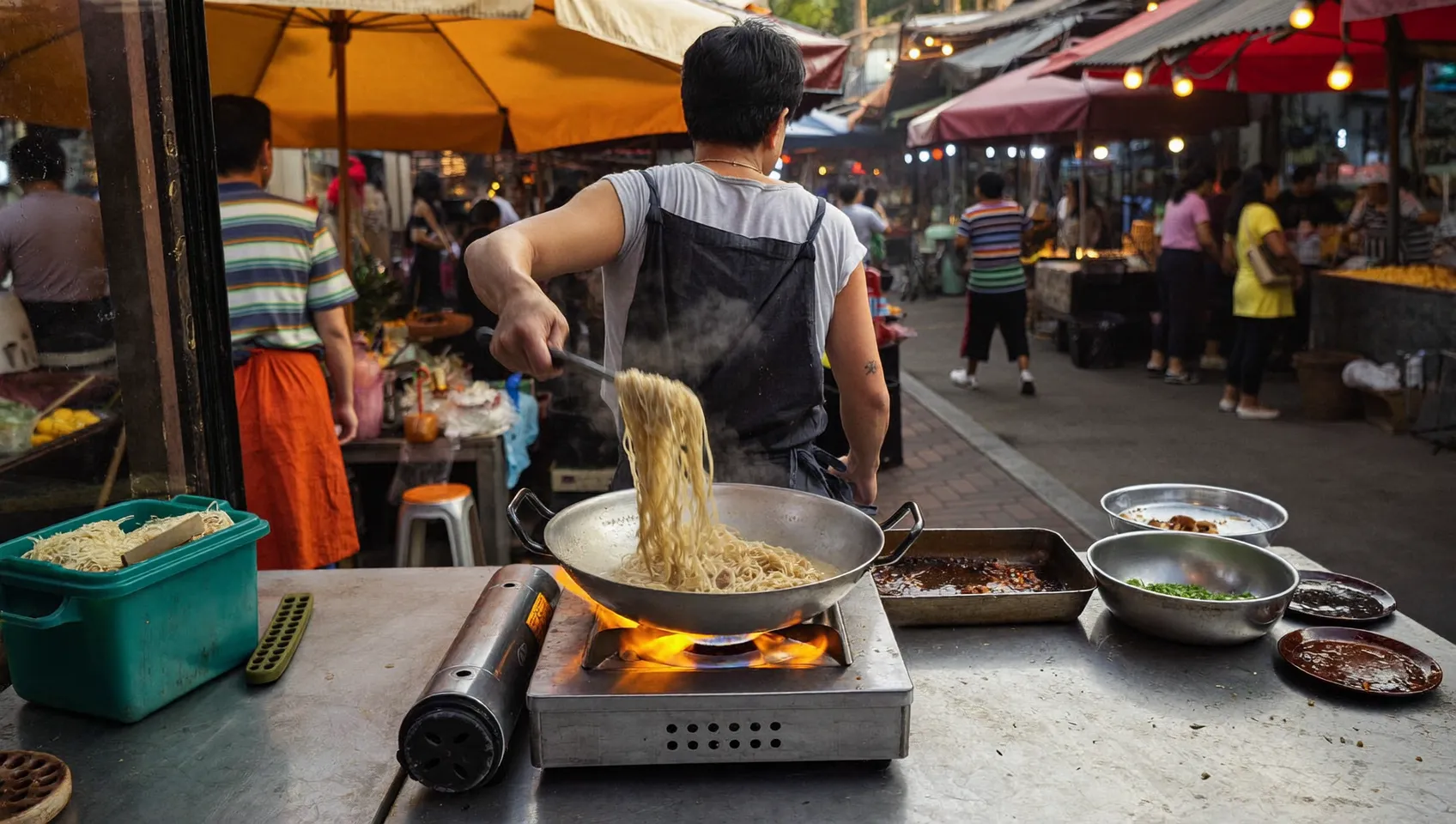
- Street food and small local eateries
- Markets and small shops
- Short-distance local transport
- Most everyday shopping with small businesses
When paying by card, if the terminal offers to charge in TL or another currency, choose to pay in baht instead; let your own bank handle the conversion. Verify with your bank before departure that your card is enabled for overseas use and check its limit.
If you're buying a package tour, part of your accommodation and extra tours will already be paid for. Check what's included on the tour page for programs like the Bangkok - Pattaya Tour 7 Nights; reserve cash only for expenses not included.
Currency exchange: where and how
Exchange booths are found at all international airports and in most tourist areas. In other words, it's not hard to find baht upon arrival.
Follow this order when exchanging:
- Exchange a small amount at the airport for your first needs (transport, SIM card, first meal).
- Exchange the rest in the city, comparing rates at several offices.
- Look at the buy-sell spread on the sign and any commission; ask about the total amount you'll receive before confirming the transaction.
- Keep the receipt and count the money before leaving the office.
Which foreign currency will be exchanged at a better rate varies by office and day; so we don't give figures. Compare rates before deciding which currency to carry with you.
If you're considering withdrawing cash from an ATM, find out your bank's overseas withdrawal commission and daily limit in advance. The commission varies depending on your bank and the bank processing the transaction. Confirm the current rule with your bank.
Common mistakes
- Exchanging all your money at the airport. Exchange the amount beyond your immediate needs in the city, comparing rates.
- Going with only a card. Cards may not work at small businesses; if you have no cash on hand, you may struggle with food, transport and market shopping.
- Going with only cash. Carrying a large amount of cash is risky; keep at least one card as backup.
- Expecting to pay in foreign currency. For cash purchases, baht is expected; offering dollars or euros usually doesn't work.
- Relying on a single card. If your card is blocked or lost, you should have a second payment method. Don't carry your cards in the same bag.
- Glossing over the currency question at the terminal. Prefer paying in baht before confirming payment in TL.
- Not asking about your bank's conditions. Overseas commission, limits and card usage conditions vary by bank; check your bank's current rules.
Most of these mistakes can be prevented with a five-minute consultation with your bank before setting out.
Step by step: how to prepare your money
- Clarify your travel dates and length of stay. Check the information on the Thailand page regarding visa-free entry and the 60-day permitted stay.
- Work out your daily budget and split it between cash and card spending.
- Ask your bank about overseas usage, limits and commissions; enable overseas usage if needed.
- Bring at least two payment methods and carry them in different places.
- Exchange only your first needs at the airport exchange booth upon arrival.
- Exchange the remaining amount in the city, comparing rates, and keep the receipt.
- Spend or exchange any remaining baht before departure; spending small amounts at the airport is also practical.
If you haven't chosen your itinerary yet, take a look at Thailand tours. Programs that include accommodation and extra tours reduce the amount of cash you need to carry on the trip; still, check the program scope on the tour page.
Checklist before setting out
Review this list a day before departure. If everything is complete, your chances of encountering a money-related surprise are lower.
- Passport and visa status verified
- At least one credit card enabled for overseas use ready
- Backup second card in a separate bag
- A plan for some cash or baht ready for the first day
- A plan made for small banknotes and coins
- Bank's commission and limit information learned
- Baht payment to be chosen at the terminal
- Exchange receipts to be kept
- Bank's overseas phone number for card loss saved on your phone
Also keep this in mind: card acceptance is becoming more widespread in Thailand, but cash is still decisive at small businesses. This balance shifts toward cash as your itinerary moves from big cities to smaller places. When hotel and tour payments are planned by card and daily expenses by cash, your budget is easier to control.
Frequently asked questions
What is Thailand's currency?
Thailand's official currency is the Thai baht (฿, code THB). 1 baht is divided into 100 satang. Currency issuance is the responsibility of the Bank of Thailand.
Is credit card accepted in Thailand?
Yes, credit cards are increasingly accepted in more places. However, you'll need cash for most everyday shopping with small businesses. So carry both a card and baht with you.
Can I pay with dollars or euros in Thailand?
No, Thai baht is expected to be used for cash purchases, and other currencies are not accepted. Exchange your foreign currency for baht at an exchange office.
Where can I exchange currency in Thailand?
Exchange booths are found at all international airports and in most tourist areas. It makes sense to exchange a small amount at the airport for your first needs and exchange the rest in the city, comparing rates.
Do I need a visa to go to Thailand?
Thailand is visa-free for Turkish citizens, and the permitted length of stay is 60 days. Check the current status on the country page before setting out.
How much cash should I take to Thailand?
We don't give an exact amount, because this depends on your itinerary, length of stay and spending habits. Split your daily budget between cash and card; set aside the cash portion in baht and exchange more as needed on the spot.
Sources
- Tourism Authority of Thailand - Dubai — tourismthailand-middleeast.org
My Travel Team
Travel Editor
The My Travel team prepares up-to-date travel, visa and tourism information and guides.