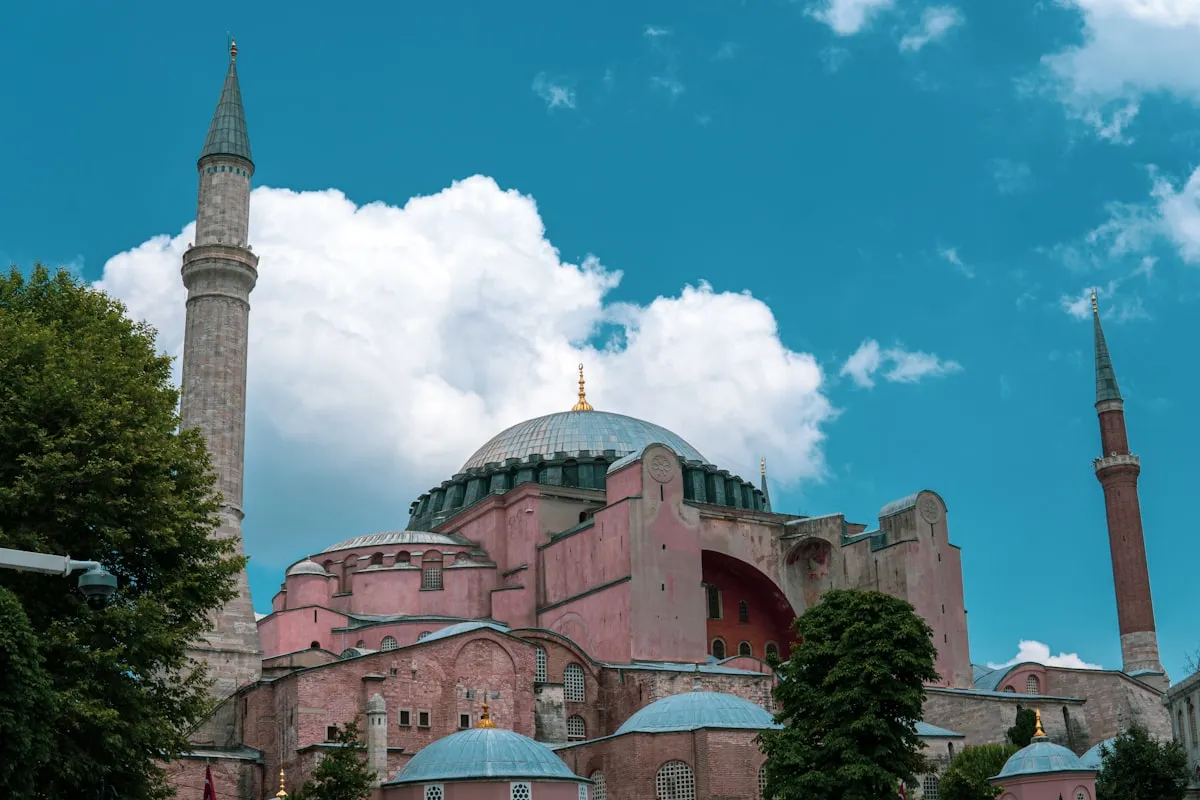
Discover Europe's 10 most captivating museums! Plan an unforgettable European museum tour with this guide full of art, history and culture. Detailed tips inside.
Europe's most impressive museums open their doors to exploring the continent's rich history, art and culture with unparalleled depth. From the Louvre in Paris to the Vatican Museums in Rome, from the Rijksmuseum in Amsterdam to the Acropolis Museum in Athens, this guide promises visitors an unforgettable cultural journey. Packed with detailed visit durations, key artworks and practical tips for each museum, this post will help you experience Europe's art and historical heritage in depth.
Introduction: A Cultural Journey at the Heart of Europe
Hello dear travellers and art lovers! At My Travel, we always take great pleasure in helping you discover the most fascinating destinations around the world. But let's admit it, the cultural heritage offered by Europe has a unique charm. On this continent where history and art are intertwined, almost every corner feels like an open-air museum. But what about those priceless treasures hidden behind closed doors? This is exactly where Europe's museums come into play.
A museum visit is not just about looking at artworks; it is also about taking a journey through time to the era in which those works were created, touching the souls of the artists, and witnessing humanity's shared heritage. As My Travel experts, drawing on the knowledge and experience we have gained from years of travelling across Europe, we have brought together the continent's 10 most impressive museums for you. In this guide, you will find the unique experience each museum offers, practical tips to make your visit as efficient and enjoyable as possible, and the must-see works. If you're ready, let's embark together on an adventure full of art and history!
General Tips for Your Museum Visits: Be a Smart Traveller
Visiting Europe's massive museums can be exhausting and overwhelming without proper planning. As a My Travel travel expert, I have a few pieces of golden advice for you:
- Buy Your Tickets in Advance: This is an almost universal rule for every major European museum. Purchase your tickets online, preferably weeks before your trip, to avoid spending hours in long queues. "Skip-the-line" options are usually a few euros more expensive, but considering the value of your time, it's worth it.
- Choose Your Visit Times Wisely: Generally, early morning hours (right after opening) or the last 2-3 hours before closing are relatively less crowded times. Weekdays like Tuesday-Wednesday are also quieter than weekends.
- Pay Attention to Your Footwear Choice: Museums are places where you will walk kilometres. Comfortable sneakers are essential for your comfort. Wearing heels or sandals for the sake of looking stylish can result in regret.
- Use Audio Guides: Many museums offer audio guide services in different languages. Instead of just looking at an artwork, listening to its story enriches your experience many times over. Definitely consider it if it fits your budget.
- Don't Forget to Take Breaks: Especially in large museums, information overload in your brain and physical fatigue are inevitable. Take short breaks at cafés or rest areas within the museum, have a coffee and recharge your energy.
- Don't Overload Yourself: Instead of trying to examine every artwork in detail, make a "must-see" list beforehand and explore the remaining works with your leftover time. Remember, you don't have to see everything at once.
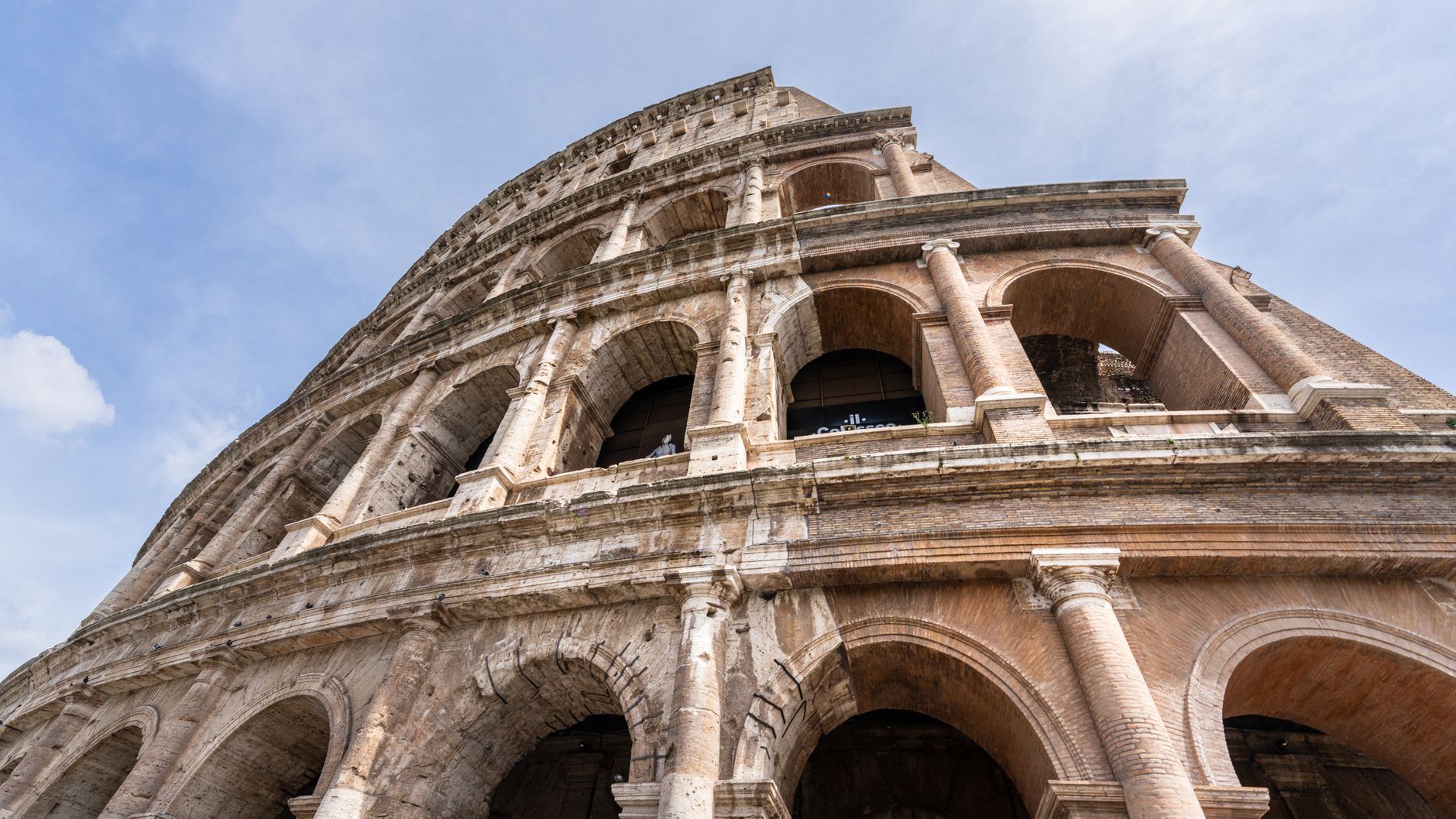
1. The Louvre, Paris, France: The Heart of Art
Rising on the banks of the Seine River in the heart of Paris, the Louvre is one of the largest and most visited art museums in the world. Once a royal palace, the Louvre houses a vast collection spanning from the 7th millennium BC to the 19th century. Touring the museum is like reading an entire encyclopedia of history and art from cover to cover.
- Must-See Works:
* Mona Lisa (Leonardo da Vinci): Undoubtedly the museum's most famous work. Even in a crowded setting, seeing this iconic painting up close is a unique experience.
* Venus de Milo: One of the most well-known sculptures of the Hellenistic period.
* Winged Victory of Samothrace (Nike): A dazzling masterpiece with its dramatic pose and dynamism.
* Code of Hammurabi: An important document in legal history, dating from ancient Babylon.
* Ancient Egyptian Collection: Impressive artefacts from the era of the pharaohs, sarcophagi and mummies.
- Visit Duration: To fully explore the Louvre, you need to allocate at least a full day (6-8 hours). If you only want to see the main works, 3-4 hours may be enough, but this means ignoring the richness of the museum.
- Practical Tips:
* Definitely buy your tickets online and choose a specific time slot.
* The Denon wing, where the Mona Lisa is located, is always very crowded. Try to schedule your visit for early morning or close to closing time.
* The museum closes later on Wednesday and Friday evenings; these times may be less crowded.
* In addition to the main pyramid entrance, you can also enter through the entrance under the Carrousel du Louvre or the Porte des Lions, which are usually calmer.
2. The British Museum, London, England: Meeting Point of World Cultures
Located in the heart of London, the British Museum is one of the largest and most comprehensive museums in the world, dedicated to human history. Its collections span all continents and civilizations, showcasing humanity's 2-million-year journey. Free admission makes it even more appealing.
- Must-See Works:
* The Rosetta Stone: This stone, which played a key role in deciphering ancient Egyptian hieroglyphs, is one of the museum's most iconic artefacts.
* Parthenon Sculptures (Elgin Marbles): These sculptures, brought from the Acropolis of Athens, represent the pinnacle of Ancient Greek art.
* Egyptian Mummies: One of the world's best mummy collections.
* Sutton Hoo Treasure: Priceless gold and silver artefacts from the Anglo-Saxon period.
* Assyrian Lion Hunt Reliefs: Impressive reliefs reflecting the power and art of the mighty Assyrian kingdom of ancient Mesopotamia.
- Visit Duration: You should allocate at least 4-5 hours, or even a full day if possible, to properly tour the British Museum. The collection is so vast that even seeing just the main galleries takes a long time.
- Practical Tips:
* Although admission is free, you may need to pay for a museum map and audio guide, which is definitely recommended.
* Queues at the main entrance can be long; you might consider using the side entrances on Great Russell Street as an alternative.
* There are many cafés and restaurants inside the museum. Take a break when you feel tired.
* Special exhibitions in certain galleries may require tickets; check in advance.
3. The Vatican Museums, Vatican City / Rome, Italy: The Splendour of Sacred Art
Located within the Vatican City State, the Vatican Museums house one of the richest art collections in the world. In addition to the pinnacle works of Renaissance art, priceless artefacts from Ancient Rome and Egypt are also displayed here. The museums open directly into the Sistine Chapel, which is the highlight of the visit.
- Must-See Works:
* The Sistine Chapel (Michelangelo): With its "Creation of Adam" fresco on the ceiling and "The Last Judgment" fresco on the altar wall, it is one of the most important works in the history of world art. Photography is strictly forbidden inside the chapel.
* The Raphael Rooms (Stanze di Raffaello): These rooms, adorned with Raphael's famous frescoes such as "The School of Athens," are another pinnacle of Renaissance art.
* Laocoön and His Sons: A dramatic and powerful example of Ancient Greek sculpture.
* The Apollo Belvedere: One of the finest examples of classical sculpture.
* The Vatican Galleries: Especially the Gallery of Maps and the Gallery of Tapestries offer a visual feast.
- Visit Duration: It is recommended to allocate at least 3-4 hours for the Vatican Museums and the Sistine Chapel, or 5-6 hours if you want to explore in detail.
- Practical Tips:
* Be sure to buy your tickets online months in advance. Otherwise, you may face hours-long queues.
* Tours or tickets that provide direct access to the Sistine Chapel may be more practical than general admission tickets.
* The Vatican Museums have a specific dress code: shoulders and knees must be covered. Those who do not comply with this rule may not be admitted.
* The cafés and restaurants inside the museum are good spots for taking a break.
4. The Uffizi Gallery, Florence, Italy: The Birthplace of the Renaissance
Located in the heart of Florence, on the banks of the Arno River, the Uffizi Gallery houses one of the most important collections of Italian Renaissance art. Composed of the Medici family's private collections, this museum is filled with works by masters such as Botticelli, Leonardo da Vinci, Michelangelo, Raphael and Titian.
- Must-See Works:
* The Birth of Venus (Sandro Botticelli): One of the most iconic and well-known paintings of the Renaissance.
* Primavera (Sandro Botticelli): Another masterpiece by Botticelli, filled with mythological symbols.
* The Annunciation (Leonardo da Vinci): An elegant work showcasing the mastery of a young Leonardo.
* Ognissanti Madonna (Giotto): An important example of the Early Renaissance.
* Medusa (Caravaggio): A dramatic and striking work.
- Visit Duration: You need to allocate at least 3-4 hours to fully experience the Uffizi. For art lovers, this can easily extend to 5 hours.
- Practical Tips:
* Definitely book your tickets online, preferably months in advance. The Uffizi is one of the most sought-after museums in Europe.
* The museum is open from Tuesday to Sunday and closed on Mondays.
* You can take a break at the museum's rooftop café and enjoy the magnificent view of Florence.
* City cards such as the Florence Card can provide access to the Uffizi and many other museums, which can be advantageous in terms of cost and time.
5. The Rijksmuseum, Amsterdam, Netherlands: The Splendour of the Dutch Golden Age
Located in Amsterdam's Museumplein area, the Rijksmuseum houses the most important collections of Dutch art and history. With a collection spanning 800 years of Dutch history and art, it is especially famous for the works of 17th-century Dutch Golden Age painters.
- Must-See Works:
* The Night Watch (Rembrandt van Rijn): The museum's largest and most famous work, a masterpiece of the Dutch Golden Age.
* The Milkmaid (Johannes Vermeer): One of Vermeer's iconic paintings depicting everyday life.
* The Jewish Bride (Rembrandt van Rijn): Another work by Rembrandt notable for its emotional depth.
* The Library: Filled with historical books and manuscripts, it is a work of art in itself.
* Delft Blue Ceramics: The Netherlands' famous Delft blue ceramic collection.
- Visit Duration: It is recommended to allocate at least 3-4 hours to explore the Rijksmuseum in detail. If you only want to see the main works, 2-3 hours may be enough.
- Practical Tips:
* Buy your tickets online in advance. Long queues can form during busy times.
* The museum is open every day of the year. Early morning or late afternoon hours may be calmer.
* The museum's app can be used as an audio guide and can make your visit more interactive.
* Other important museums, such as the Van Gogh Museum and the Stedelijk Museum, are also located in Museumplein; you can dedicate a whole day to this area.
6. The Prado Museum, Madrid, Spain: The Brilliance of the Spanish Golden Age
Located in the heart of Madrid's "Art Triangle," the Prado Museum houses one of the most important collections of Spanish art. Spanish painting spanning especially from the 12th to the early 20th century forms the main focus of the museum. Masterpieces by masters such as Velázquez, Goya and El Greco can be seen here.
- Must-See Works:
* Las Meninas (Diego Velázquez): Considered the pinnacle of Spanish painting, this painting with its complex composition has been studied by many critics.
* The Third of May 1808 (Francisco Goya): One of the most powerful anti-war paintings in history, depicting the savagery and tragedy of war.
* The Nude Maja / The Clothed Maja (Francisco Goya): Goya's bold and controversial portraits.
* The Nobleman with His Hand on His Chest (El Greco): A striking portrait reflecting El Greco's distinctive style.
* The Holy Trinity (El Greco): El Greco's religiously themed, dramatic and mystical work.
- Visit Duration: You need to allocate at least 3-4 hours to explore the Prado in detail. If you focus only on the main works, 2-3 hours may be enough.
- Practical Tips:
* Buy your ticket online to avoid waiting in line.
* The Prado offers free admission on certain days and hours (usually evening hours), but it gets very crowded during these times. If your time is limited, prefer to buy a paid ticket.
* The museum's app or audio guide is great for learning in depth about the works.
* There are cafés and a restaurant inside the museum where you can rest.
7. The Pergamon Museum, Berlin, Germany: Gateways to the Ancient World
Located on Berlin's Museum Island, the Pergamon Museum is famous for its ancient architectural works and archaeological finds. It stands out from other museums by housing massive structures and artefacts from Ancient Greece, Rome, Babylon and the Islamic period. The museum is currently undergoing major renovation and some main sections may be closed, so it is critical to check the current status before visiting.
- Must-See Works (depending on the situation):
* The Pergamon Altar (Great Altar): One of the most magnificent examples of Ancient Greek architecture and sculpture. (May currently be closed due to renovation.)
* The Ishtar Gate: A massive gate from ancient Babylon, adorned with blue glazed bricks and animal figures. (May currently be closed due to renovation.)
* Islamic Art Collection: Carpets, ceramics, woodwork and architectural pieces from the Islamic period.
* Antiquities Collection: Ancient Greek and Roman sculptures and architectural pieces.
- Visit Duration: You need to allocate at least 2-3 hours to tour the open sections of the museum. This duration may change due to the renovation status.
- Practical Tips:
* Check the museum's official website before visiting to find out which sections are open.
* Buy your tickets online.
* You can plan to spend a day with the other museums on Museum Island (Altes Museum, Neues Museum, etc.).
* An audio guide is very useful for learning about the complex history of the exhibits.
8. Musée d'Orsay, Paris, France: A Paradise of Impressionism
Located in the former Gare d'Orsay train station building in Paris, the Musée d'Orsay focuses on Western art between 1848 and 1914. It is famous worldwide especially for its Impressionist and Post-Impressionist painting collection. You can find works by masters such as Monet, Renoir, Degas, Cézanne and Van Gogh here.
- Must-See Works:
* Starry Night (Vincent van Gogh): One of Van Gogh's most famous works, this painting showcases the artist's unique brushstrokes.
* Déjeuner sur l'herbe (Manet): A controversial work considered one of the turning points of modern art.
* Olympia (Manet): Another bold and revolutionary painting by Manet.
* Rouen Cathedral Series (Claude Monet): A series of paintings showcasing Monet's mastery of light and colour.
* Bal du Moulin de la Galette (Pierre-Auguste Renoir): A symbol of Impressionism with its vibrant colours and joyful atmosphere.
- Visit Duration: It is recommended to allocate at least 3-4 hours to explore the Musée d'Orsay in detail. If you only want to see the main works, 2-3 hours may be enough.
- Practical Tips:
* Buy your tickets online in advance. It can be crowded especially on weekends and during holiday periods.
* The museum is usually closed on Mondays.
* You can admire the magnificent view of Paris and the Seine River from the large clock window on the upper floor of the museum.
* Due to its proximity to the Louvre, visiting both museums on different days will reduce fatigue.
9. The Acropolis Museum, Athens, Greece: The Legacy of Ancient Greece
Located at the foot of the Acropolis in Athens, the modern Acropolis Museum houses artefacts removed directly from the Acropolis. The museum was specially designed to display the finest examples of Ancient Greek architecture and sculpture, along with the remains of the Parthenon and other sacred structures. The museum itself is also an architectural masterpiece.
- Must-See Works:
* The Parthenon Gallery: The remains of the Parthenon's metopes, friezes and pediments are displayed here. The artefacts are arranged to reflect their original placement.
* The Caryatids: Five of the six female figure columns of the Erechtheion Temple can be seen here (another is in the British Museum).
* The Archaic Period Gallery: Sculptures and artefacts spanning from the 7th to the 5th century BC.
* Remains of the Propylaea and the Temple of Athena Nike: Architectural pieces from the entrance gate of the Acropolis and the small Temple of Athena Nike.
- Visit Duration: It is recommended to allocate at least 2-3 hours for the Acropolis Museum. It is best to allocate a full day along with the Acropolis itself.
- Practical Tips:
* You can save both time and money by getting combined tickets for the Acropolis and the museum.
* You can enjoy the direct view of the Acropolis from the restaurant on the top floor of the museum.
* Combine your visit with your climb to the Acropolis, but prefer early morning hours or late afternoon as it can be hot in the summer months.
* The museum is a great resource for understanding Ancient Greek history and mythology; using an audio guide will be beneficial.
10. The Kunsthistorisches Museum, Vienna, Austria: Treasures of the Habsburg Dynasty
Located on Vienna's magnificent Ringstrasse, the Kunsthistorisches Museum (Museum of Art History) houses priceless art collections gathered by the Habsburg Dynasty over the centuries. With works spanning a wide period from Ancient Egypt to Rome, from the Renaissance to the Baroque, it is one of Europe's most important museums.
- Must-See Works:
* The Bruegel Room: The room where Pieter Bruegel the Elder's world-famous works such as "The Tower of Babel" and "Hunters in the Snow" are displayed, housing the world's largest Bruegel collection.
* Ancient Egyptian and Near Eastern Collection: Mummies, sarcophagi and various ancient objects.
* Greek and Roman Antiquities Collection: Classical sculptures and works of art.
* The Rubens, Rembrandt, Vermeer Rooms: Masterpieces by Flemish and Dutch masters.
* The Titian, Tintoretto, Veronese Rooms: Works by the giants of the Italian Renaissance.
* The Kunstkammer (Art and Treasure Chamber): Valuable objects, jewels and rare artefacts of the Habsburg dynasty.
- Visit Duration: It is ideal to allocate at least 3-4 hours, or a full day for art lovers, to explore the Kunsthistorisches Museum in detail.
- Practical Tips:
* Buy your tickets online in advance.
* The museum is usually closed on Tuesdays (it may be open every day in the summer months, check the website).
* The museum's magnificent architecture is a work of art in itself; don't miss the main domed hall and the main staircase in particular.
* The café inside the museum is a great place to rest and enjoy the grand atmosphere.
Additional Tips for Making a Museum Visit Unforgettable
I have a few additional suggestions to help you make the most of your time in these massive European museums and gather unforgettable memories:
- Plan Thematic Tours: If your time is limited or you have a specific interest (for example, only Ancient Egyptian art or Impressionist painting), use the maps inside the museum to draw a route focused only on that theme. This saves time and makes your experience more in-depth.
- Visit the Museum Shops: Museum shops are great places not only to buy souvenirs but also to learn more about the collection you visited. Art books, posters and replicas can help you create a cultural corner in your home.
- Combine with Local Culture: Combine your museum visit with other cultural activities in the city you are in. For example, you can take a Seine River boat tour after the Louvre in Paris, or enjoy local Italian cuisine at a local restaurant after the Uffizi in Florence. Cultural experiences become much richer when they complement each other.
- If Visiting with Children: Check whether there are specially designed tours, activity booklets or audio guides for children. Prioritise sections with interactive elements that will capture their interest, and take frequent breaks to help them maintain their energy. A museum visit can be an educational and fun adventure for children too!
Conclusion: Get Ready for a European Adventure Full of Art and History!
With our list of Europe's 10 most impressive museums, we have tried to offer you a comprehensive guide to discovering the cultural richness of the continent. Each of these museums, a masterpiece in its own field, is a priceless witness to humanity's creativity and history. As a My Travel travel expert, I can guarantee that visiting these museums is not just a trip, but an experience that nourishes your soul, broadens your horizons and inspires you.
Remember, with good planning, comfortable shoes and a curious spirit, you can enjoy every moment in these museums. If you need help planning your trip or want to personalise these cultural routes to your own tastes, our expert team is always here for you. You can reach us at mytravel.tr to design your dream European cultural tour together. Here's to many journeys filled with art and discovery!
Frequently Asked Questions
How far in advance should I buy tickets for museums in Europe?
For Europe's popular museums, it is strongly recommended to buy your tickets online at least 1-2 months before your trip, or even 3 months in advance for some. This period may be even longer, especially for summer months, holiday periods and weekends.
How much time should I spend on average for a museum visit?
For large and comprehensive museums (such as the Louvre, the British Museum, the Vatican Museums), it is recommended to allocate at least 3-4 hours, or even a full day. For smaller museums or those with more specific collections, 2-3 hours may be enough.
Is photography allowed in museums?
In most museums, flash-free photography for personal use is allowed. However, photography is strictly forbidden in certain special sections, such as the Sistine Chapel, or in front of certain works. It is best to check each museum's own rules before your visit.
Is there a dress code for museum visits?
In general, most museums do not have a specific dress code, but certain rules, such as covering shoulders and knees, apply at places with religious significance, such as the Vatican Museums and the Sistine Chapel. Dressing comfortably and respectfully is always a good idea.
Frequently Asked Questions
Which is the most visited museum in Europe?
The most visited museum in Europe is the Louvre Museum in Paris. Welcoming approximately 8-9 million visitors each year, the Louvre houses some of the world's most famous works, such as Leonardo da Vinci's Mona Lisa and the Venus de Milo sculpture. To tour the museum efficiently, it is recommended to allocate at least 3-4 hours and buy tickets online in advance.
What is the best time for a European museum tour?
The ideal period for touring European museums is considered to be the low season between October and March. During this period, crowds are smaller, ticket prices are more affordable and waiting times are much shorter. In the summer months (June-August), museums are flooded with tourists; if you are visiting during this period, it is strongly recommended to go early in the morning (at opening) and buy your tickets online at least 2 weeks in advance.
Is admission to European museums free?
While some museums in Europe offer free admission, the vast majority are paid. For example, the British Museum and the Natural History Museum in London are completely free. In Paris, the Louvre and Musée d'Orsay open for free on the first Sunday of every month. The Vatican Museums, with an entrance fee ranging between 17 and 27 Euros, are among the most expensive museums in Europe. Discounted or free admission options are available for students, visitors under 18 and over 65 at most museums.
Can I do a European museum tour with a Schengen visa?
Yes, with a single Schengen visa, you can freely visit museums in France, Italy, the Netherlands, Greece and the other 22 Schengen member countries. By obtaining a multiple-entry Schengen visa, you can plan a comprehensive museum tour starting in Paris and covering Amsterdam, Rome and Athens. Documenting your travel itinerary and museum reservations in your visa application will strengthen your application.
How many museums can be visited in a week in Europe?
On a one-week cultural tour in Europe, by allocating 1-2 days per city, an average of 4-6 major museums can comfortably be visited. For example, you can stay 2 days in Paris to visit the Louvre and Musée d'Orsay, then stay 2 days in Rome to visit the Vatican Museums and the Borghese Gallery. Remember that you need to plan at least 2-3 hours for each major museum, and 4-5 hours for massive collections like the Louvre and the Vatican. To avoid museum fatigue, it is recommended to visit no more than 1 major museum per day.
Related Posts
My Travel Team
Travel Editor
The My Travel team prepares up-to-date travel, visa and tourism information and guides.