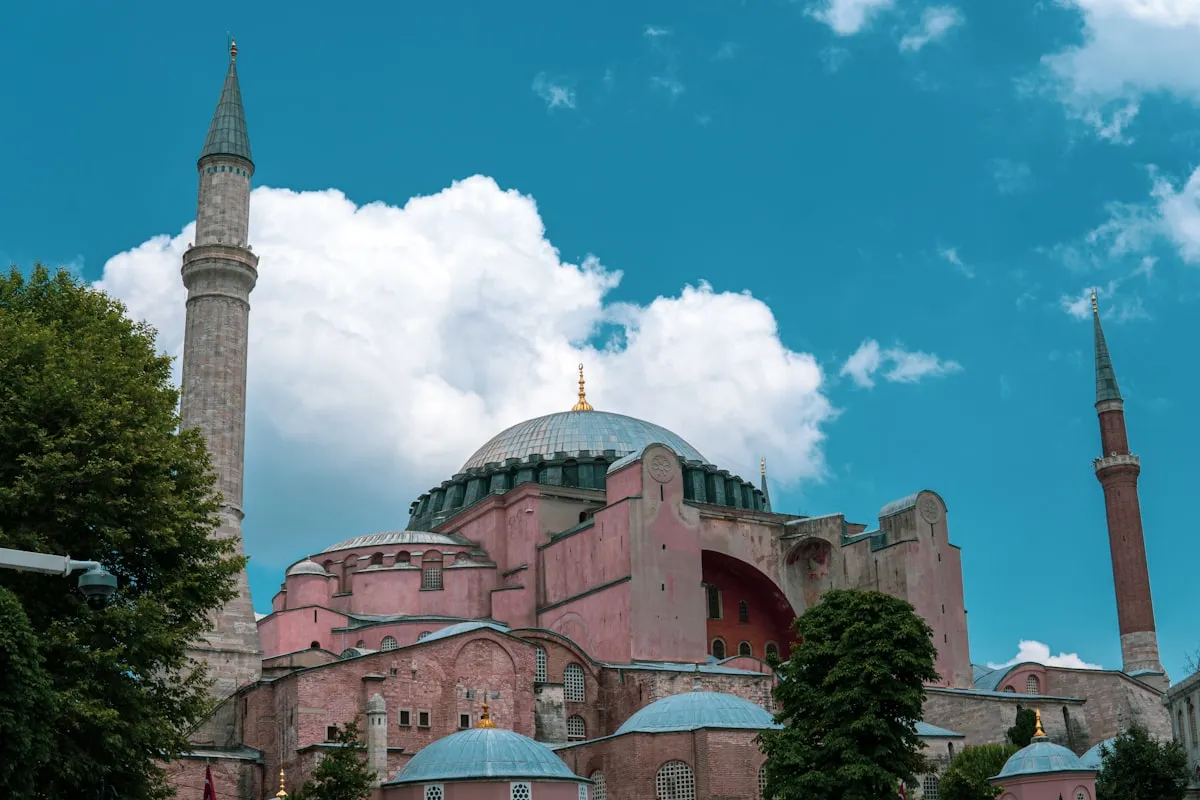
Discover Istanbul's unique culture and rich history. Plan an unforgettable culture tour with this guide covering must-see historical sites like Hagia Sophia and Topkapı Palace.
Istanbul is a fascinating city where history and culture are intertwined, with a different story hidden in every corner. This guide offers you a comprehensive culture tour route to discover the city's most iconic historical sites, from Hagia Sophia to Topkapı Palace, from Sultanahmet Mosque to the mysterious Basilica Cistern. With this travel guide prepared from My Travel's expert perspective, you'll make the most of your time while experiencing Istanbul's unique atmosphere, and collect unforgettable memories.
Istanbul Culture Tour: Historical Sites and Travel Guide
Istanbul is a breathtaking metropolis where East meets West, old meets new, and history blends with modernity. This ancient city, which served as the capital of the Roman, Byzantine, and Ottoman Empires for centuries, carries deep traces of history at every step. As the My Travel team, we have prepared a comprehensive culture tour guide for you to discover this unique geography through the eyes of a travel expert. Our aim is to show you that Istanbul is not just a place to see, but an experience to live.
An Istanbul culture tour is much more than visiting historical buildings; it is also about feeling the spirit of the city, witnessing how different cultures blend together, and discovering the surprises waiting for you at every corner. In this guide, we will present a full itinerary starting from the most iconic sites and extending to lesser-known but equally fascinating places. Get ready, because we are setting off on an unforgettable journey into Istanbul's magical world!
Sultanahmet Square and Surroundings: A Journey into the Heart of History
The most ideal point to start an Istanbul culture tour is undoubtedly Sultanahmet Square and its surroundings. This area is like an open-air museum; magnificent buildings await visitors within walking distance of each other. As My Travel experts, we strongly recommend setting aside at least one full day, or even better, two days, for this area. In this region with intense interest, starting early in the morning is critical to avoid crowds and to delve into the details of each structure.
Hagia Sophia Grand Mosque: An Architectural Marvel
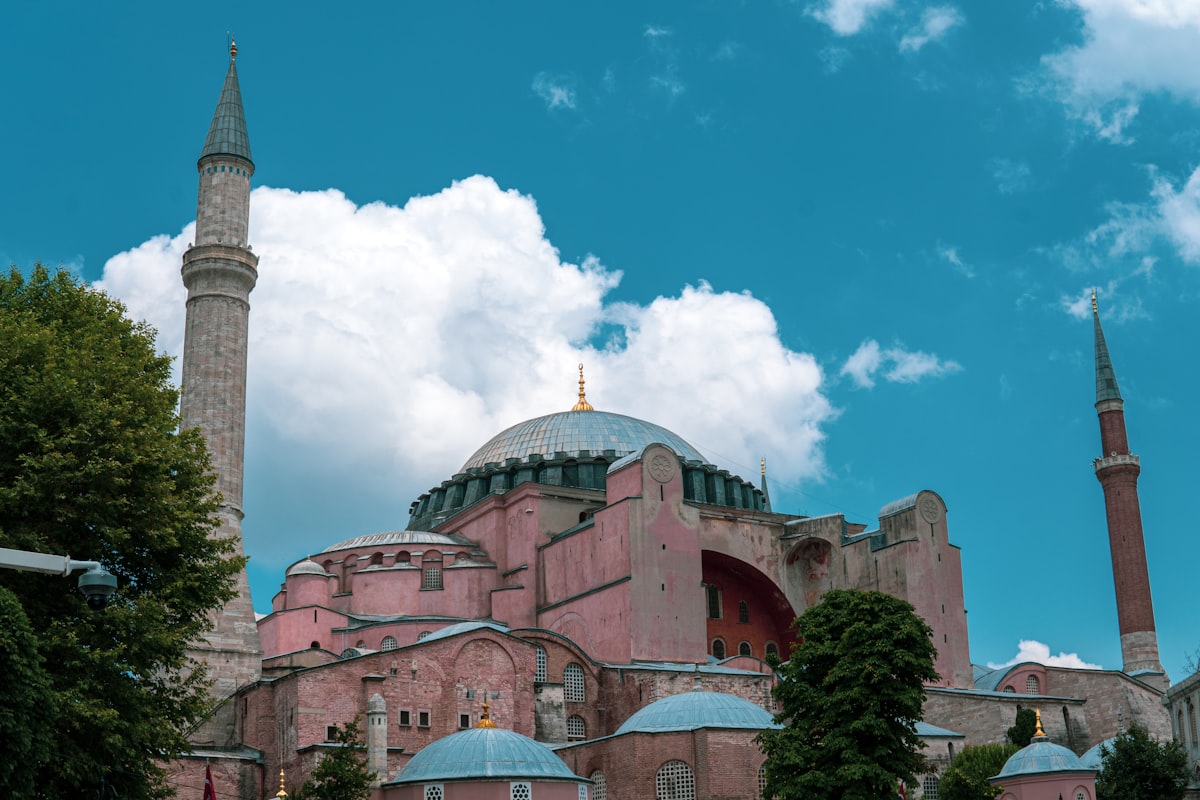
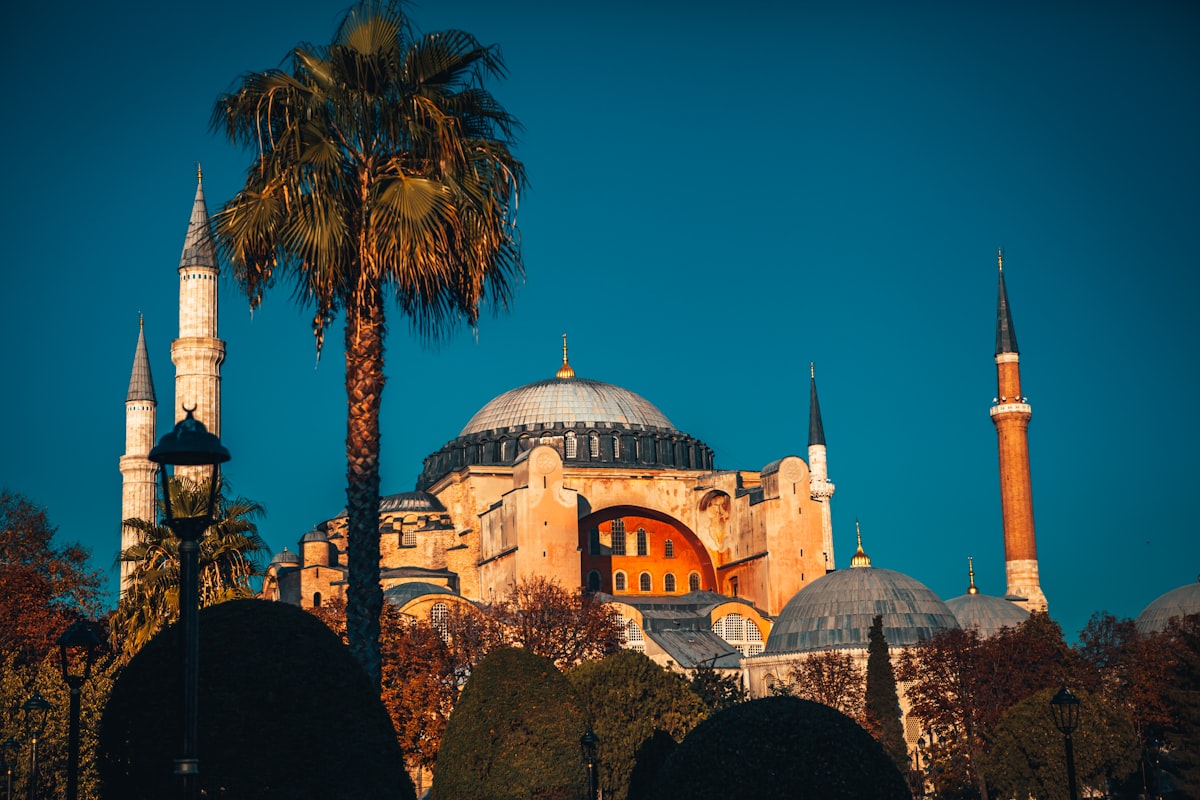
Hagia Sophia, one of the most important structures defining Istanbul's skyline, continues to fascinate visitors with its architectural genius and historical layers. Originally built as a cathedral in 537, it was later converted into a mosque, then a museum, and finally back into a mosque, taking on a different identity in each era. When you step inside, you will be amazed by its massive dome, impressive mosaics, and enormous calligraphy panels. As the My Travel team, we recommend carefully examining the traces from different eras of the building when visiting Hagia Sophia. Especially the views and mosaics visible from the upper gallery are details not to be missed. Allocating at least 2-3 hours for your visit will help you understand the spirit of this magnificent structure.
Sultanahmet Mosque (Blue Mosque): The Pinnacle of Aesthetics
Rising directly across from Hagia Sophia, Sultanahmet Mosque is one of the most elegant examples of 17th-century Ottoman architecture. Also known as the "Blue Mosque" due to the thousands of blue Iznik tiles adorning its interior, this structure also stands out with its six minarets. The mosque's peaceful atmosphere and fine craftsmanship offer visitors a serene experience. The mosque can be visited during hours when it is open for worship; therefore, it is important to pay attention to prayer times and wear appropriate clothing. As My Travel experts, we recommend spending some time in the courtyard observing its architecture from outside during your visit, then immersing yourself in the richness of the tiles inside. An average of 1-1.5 hours will be sufficient for the visit.
Basilica Cistern: A Mysterious Underground World
Right next to Sultanahmet Square, a completely different world extends underground: the Basilica Cistern. Built during the Byzantine period to store water, this massive cistern has a mystical atmosphere with its 336 marble columns and dim lighting. The most striking points of the cistern are the inverted Medusa heads. The cool and humid air of the cistern offers a pleasant escape, especially during summer months. The Basilica Cistern has become even more impressive with recent restorations. As My Travel, we recommend enjoying the visual feast created by the columns and the reflections of the water as you walk along the paths inside the cistern. You can explore the entire cistern in about 1 hour.
Topkapı Palace Museum: The Heart of the Ottomans
Topkapı Palace, the administrative center of the Ottoman Empire for approximately 400 years, is a city in itself due to both its historical importance and its size. The palace complex offers visitors a unique experience with its courtyards, pavilions, the Harem section, the Chamber of Sacred Relics, and the treasury section. You may need to allocate at least half a day, or even a full day, to properly explore this place. As the My Travel team, we recommend definitely visiting the Harem section while touring Topkapı Palace, observing the living spaces of the sultans and their families. Additionally, the items belonging to the prophets displayed in the Chamber of Sacred Relics offer an experience of high spiritual value. The views of the Bosphorus and the Sea of Marmara from the palace gardens also offer great opportunities for photography. When exploring the palace, keep in mind that there may be additional tickets or separate queues especially for the Sacred Relics and Harem sections.
Turkish and Islamic Arts Museum and Istanbul Archaeology Museums
The Turkish and Islamic Arts Museum, adjacent to Topkapı Palace, is located in Ibrahim Pasha Palace and houses rare examples of Turkish Islamic art. The carpet collections and manuscripts are quite impressive. The Istanbul Archaeology Museums, on the other hand, are among the richest archaeology museums in the world, hosting thousands of artifacts from different civilizations. Works such as the Alexander Sarcophagus and the Kadesh Treaty should not be missed. As My Travel, if you have time, we recommend adding both of these museums to your list. Allocating 2-3 hours for each will allow you to fully experience the richness of their content.
Fener and Balat: Where Colorful Streets and Cultures Meet
After the historical weight of Sultanahmet, if you want to discover Istanbul's more colorful and local face, Fener and Balat neighborhoods are perfect for you. Located on the shores of the Golden Horn, these two neighborhoods are like an open-air museum with their narrow streets, colorful bay-windowed houses, churches, synagogues, and mosques. As the My Travel team, we recommend exploring this area on foot, diving into side streets without fear of getting lost. This place is also a paradise for photography enthusiasts.
In Fener, the Greek Orthodox Patriarchate and the magnificent building of the Greek Phanar Boys' High School (Red School) stand out. Balat, on the other hand, is more famous for its restored colorful houses, antique shops, and charming cafes. Taking a coffee break here or tasting local delicacies will add an authentic touch to your Istanbul experience. Every corner you encounter while wandering through Balat's staircase streets tells a different story. As My Travel experts, we recommend wearing comfortable shoes and being ready to take plenty of photos when visiting this area. You can allocate half a day to exploring these neighborhoods.
Beyoğlu and Surroundings: Traces of a Modernizing Past
If you want to discover Istanbul's more modern face while still exploring its deep historical roots, the Beyoğlu district awaits you. Starting from Taksim Square and extending along İstiklal Street, this area is quite rich in shopping, entertainment, and culture. As My Travel, we recommend experiencing Beyoğlu in both daytime and nighttime atmospheres, which are quite different.
İstiklal Street and Galata Tower
İstiklal Street, with its nostalgic tram, historical buildings, shops, arcades, and cafes, is one of Istanbul's liveliest streets. While walking along the street, you can see important structures such as the Flower Passage, St. Anthony of Padua Catholic Church, and the Egyptian Apartment. At the end of the street rises the imposing Galata Tower, dating from the Genoese era. Watching Istanbul's 360-degree panoramic view from the tower, especially at sunset, offers an unforgettable experience. As My Travel experts, you may want to consider buying your ticket online in advance or going early in the morning to climb Galata Tower, as the queues can be quite long.
Pera Museum and Art Galleries
Beyoğlu is also a center of art and culture. Pera Museum stands out with its permanent and temporary exhibitions. In particular, you can see Osman Hamdi Bey's painting "The Tortoise Trainer" here. Additionally, many art galleries around İstiklal Street and its surroundings offer examples of contemporary Turkish art. As My Travel, if you are interested in art, we recommend making room in your schedule to visit the museums and galleries in Beyoğlu. Allocating at least half a day to explore Beyoğlu, or a full day including the museums, will be beneficial.

Hidden Gems of the Asian Side: Kadıköy and Üsküdar
Limiting your Istanbul culture tour to only the European Side would be a big mistake! As My Travel, we believe the Asian Side has its own unique charm and must be explored. Even crossing the Bosphorus by ferry to the other side is an experience in itself.
Üsküdar: An Address of History and Tranquility
Üsküdar is known for its historical mosques, narrow streets, and peaceful atmosphere. The most iconic structure here is undoubtedly the Maiden's Tower. Drinking tea with a view of the Maiden's Tower from Salacak coast, especially at sunset, is one of Istanbul's most romantic moments. Mihrimah Sultan Mosque and Şemsi Pasha Mosque are also important structures you can visit in Üsküdar. Additionally, you can reach Çamlıca Hill from Üsküdar to watch Istanbul's panoramic view. As My Travel experts, we recommend taking a walk along the shore and eating fresh fish at a local fishery when visiting Üsküdar.
Kadıköy: Center of Modern Life and Flavor
Considered the heart of the Asian Side, Kadıköy offers a young and dynamic atmosphere with its lively market, fashion scene, charming cafes, and restaurants. You can wander through the historic Kadıköy Market, buy fresh produce, or explore antique shops. The Moda neighborhood is a place where you can enjoy pleasant time with its boutique shops, parks, and seaside walking path. As My Travel, for those seeking a different Istanbul experience in Kadıköy, we recommend enjoying raki and fish at a local tavern or trying Kadıköy's famous waffles. You can reach Kadıköy by a pleasant ferry ride of about 20 minutes. Allocating at least one full day to explore the Asian Side will allow you to enjoy both neighborhoods without rushing.
Practical Travel Tips and My Travel Recommendations
When doing a culture tour in a large metropolis like Istanbul, proper planning and practical information will make your experience much more enjoyable. As the My Travel team, we have prepared some essential tips for you:
Transportation: How to Get Around in Istanbul?
Public transportation in Istanbul is quite developed and allows you to move around the city comfortably.
- Istanbul Card: Be sure to get an Istanbul Card, which is valid on all public transportation vehicles in the city (metro, tram, bus, ferry, metrobus). You can easily obtain it and load credit at the airport or from many kiosks.
- Tram (T1 Line): The most practical way to reach main historical sites such as Sultanahmet, Hagia Sophia, and Topkapı Palace. It runs from Kabataş to Zeytinburnu.
- Metro: Provides fast access especially to areas such as Taksim, Şişli, and Kadıköy. The M2 Yenikapı-Hacıosman line is quite useful for Beyoğlu.
- Ferry: The most enjoyable way to experience the beauty of the Bosphorus and to cross between the European and Asian sides. Eminönü, Karaköy, Kadıköy, and Üsküdar piers are the main hubs.
- Walking: In areas such as Sultanahmet, where historical sites are close to each other, walking is the best option. Neighborhoods such as Fener-Balat should also be explored on foot.
Accommodation: Where to Stay?
You should make your accommodation choice according to your itinerary and budget.
- Sultanahmet: Ideal for first-time visitors due to its historical atmosphere and proximity to main attractions.
- Beyoğlu (Taksim, Cihangir, Galata): Suitable for those who want to be closer to a more modern, lively nightlife, and art galleries.
- Kadıköy (Moda): A great option for those who want to explore the Asian Side and have a local experience.
Food and Drink: Istanbul Flavors
Istanbul is a gastronomic paradise!
- Street Food: Simit, kumpir (Ortaköy), fish sandwich (balık ekmek, Eminönü), fried mussels, kokoreç.
- Local Restaurants: You can find traditional Ottoman cuisine in Sultanahmet, modern Turkish cuisine and taverns in Kadıköy, and world cuisines and stylish restaurants in Beyoğlu.
- Coffee Break: Don't miss the Turkish coffee experience. Also, there are many charming boutique cafes in Fener-Balat and Moda.
Best Time to Visit
The best times to visit Istanbul are spring (April-May) and autumn (September-October). The weather is generally mild and sunny, and crowds are smaller compared to summer months. Summer months (June-August) can be hot and crowded, while winter months (November-March) can be cold and rainy, but the city takes on a calmer and more mystical atmosphere during this period.
Budget Planning and Safety
Istanbul is a city that offers options for every budget. You may want to check the entrance fees of museums and archaeological sites in advance and consider getting a Museum Card (advantageous for Turkish citizens). It is important to be cautious of petty crimes such as pickpocketing in crowded touristic areas and to keep your valuables safe. As My Travel, we always recommend traveling insured and safely.
Istanbul is a unique city carrying a different story in every corner and a separate surprise on every street. As the My Travel team, we hope this guide helps you plan an unforgettable Istanbul culture tour. For more detailed travel planning, special tour packages, or accommodation reservations, you can always reach us at mytravel.tr. Now it's time to discover Istanbul!
Frequently Asked Questions
How many days should be allocated for a culture tour in Istanbul?
For a comprehensive culture tour in Istanbul, it is ideal to allocate at least 4-5 full days. This period allows you to comfortably tour the main historical sites around Sultanahmet Square (Hagia Sophia, Topkapı Palace, Sultanahmet Mosque, Basilica Cistern), and discover the important points of Fener-Balat, Beyoğlu, and the Asian Side (Kadıköy, Üsküdar). For a more in-depth experience, 7 days or more can also be preferred.
How much are the entrance fees for historical sites in Istanbul, and is the Museum Card valid?
Many historical sites in Istanbul charge an entrance fee, and prices vary by location (for example, Hagia Sophia, Topkapı Palace, and the Basilica Cistern have separate entrance fees). The Museum Card (Müzekart), valid at museums affiliated with the T.C. Ministry of Culture and Tourism, provides advantages in many places for Turkish citizens. However, the Museum Card may not be valid, or different practices may apply, for some sites with special status such as Hagia Sophia or private museums (e.g., Pera Museum). For foreign visitors, options such as "Museum Pass Istanbul" are generally available instead of the Museum Card. It is best to check the current price and card information before your visit.
How is public transportation used in Istanbul?
The public transportation network in Istanbul is quite developed, and you can use all public transportation vehicles (metro, tram, bus, ferry, metrobus) with a single card called the "Istanbul Card." You can obtain this card at the airport, metro stations, or many kiosks, and load any amount of balance you wish. In particular, the tram (T1 line) is very practical for reaching historical sites in and around Sultanahmet. Map-based mobile applications (e.g., Google Maps, Moovit) will greatly facilitate your travel planning within the city.
What kind of clothing should I wear on an Istanbul culture tour?
You should choose comfortable, season-appropriate clothing for your Istanbul culture tour. Comfortable shoes are essential since you will be walking a lot in the city. When visiting mosques and some religious sites, women are expected to cover their heads and wear clothing that covers their shoulders/knees; men are also recommended to wear long trousers instead of shorts. Carrying a light shawl with you can be a practical solution for such situations. Dressing in layers according to the weather will prepare you for sudden weather changes.
Frequently Asked Questions
How many days does it take to complete an Istanbul culture tour?
A basic culture tour covering Istanbul's main historical sites takes at least 3 days. It is recommended to allocate 1 full day for iconic structures such as Hagia Sophia, Topkapı Palace, and Sultanahmet Mosque, 1 day for the Basilica Cistern, the Grand Bazaar, and the Spice Bazaar, and 1 day for Dolmabahçe Palace and a Bosphorus tour. For a more comprehensive experience, preparing a 5-7 day program allows you to fully experience the city's cultural depth.
How much is the entrance fee to Hagia Sophia in 2026?
Hagia Sophia was converted back into a mosque in 2020 and is open to tourists outside of prayer times. As of 2026, an entrance fee is charged to foreign visitors; it is recommended to check the official website of the Presidency of Religious Affairs or the page of the Ministry of Culture and Tourism for current pricing information. Turkish citizens can enter many historical sites at a discount or free of charge with the Museum Card (Müzekart).
In what order should historical sites in Istanbul be visited?
For the most efficient route, it is recommended to start from the Sultanahmet area. Visit Hagia Sophia early in the morning, then move on to Sultanahmet Mosque (Blue Mosque) across from it. See the Basilica Cistern before noon, and after lunch visit Topkapı Palace and the Archaeology Museum. Since all these sites are within walking distance of each other, they can be completed in a single day. For the second day, the route of the Grand Bazaar, the Spice Bazaar, and Süleymaniye Mosque is ideal.
What is the best time for an Istanbul culture tour?
The most ideal periods for visiting Istanbul for a culture tour are April-May and September-October. During these periods, the weather is mild (15-22°C), crowds are relatively low, and historical sites can be toured more comfortably. In summer months (July-August), temperatures can exceed 35°C and touristic sites can be filled with intense crowds. Winter months offer a calmer and more affordable experience; however, rainy weather on some days may affect travel plans.
Which sections of Topkapı Palace in Istanbul must be seen?
The main sections that should be visited in Topkapı Palace are as follows: the Chamber of Sacred Relics (the section displaying sacred items belonging to the Prophet), the Harem (the hidden world of Ottoman palace life, requiring a separate ticket), the Treasury (the section containing unique artifacts such as the Spoonmaker's Diamond and the Topkapı Dagger), and the Imperial Council Hall (Divan-ı Hümayun). You should allocate at least 3-4 hours to see the entire palace, and you need to purchase a separate ticket for the Harem. Museum Card holders can benefit from a discount at the palace entrance.
Related Posts
My Travel Team
Travel Editor
The My Travel team prepares up-to-date travel, visa and tourism information and guides.