The currency in Bali is the Indonesian rupiah. Cards work in tourist areas, but cash is needed in remote places. Cash planning, ATM safety and pre-departure steps.
The currency in Bali is the Indonesian rupiah (IDR); credit cards are accepted in major city centres and tourist areas, but are not widely accepted outside these areas. In other words, a card alone is not enough. On this page you'll find the rupiah rule, where cards do and don't work, ATM safety and pre-departure steps.
In short
- The currency in Bali is the Indonesian rupiah (IDR); using rupiah for daily payments is mandatory.
- Cards work in tourist areas; carry cash for remote areas.
- Use ATMs in safe locations such as banks, shops or shopping malls.
- No visa is required for Turkish citizens; the permitted stay is 30 days.

The core rule: rupiah and card together
Bali is an island of Indonesia; the currency is the Indonesian rupiah (IDR). Credit cards are accepted in major city centres and tourist areas, but are not widely accepted outside these areas. It's recommended to carry cash when travelling to remote areas.
In practice, this means: at hotels, large restaurants and shopping malls—places with high tourist density—you can generally expect to use your card. At small local businesses and in rural areas, however, cash may be needed. Even in a touristy hub like Ubud, acceptance varies from business to business; it's safest to ask whether a card is accepted before paying.
On the visa side, the situation is simple: Indonesia is visa-free for Turkish citizens, and the permitted stay is 30 days. You can see up-to-date information on the Indonesia country page. Plan your money around this period, and don't rely on a single method—think of card and cash together.
What does the mandatory rupiah rule mean for payments?
Within Indonesia's borders, the use of rupiah is mandatory for all cash and non-cash transactions carried out by residents and non-residents alike. There are exceptions, such as state budget implementation and international commercial transactions; these don't concern an individual traveller's daily spending.
For travellers, the result is this:
- Plan to pay in rupiah for taxis, meals, groceries and entrance fees.
- If a business offers to accept foreign currency, see this as that business's own preference rather than a rule, and don't rely on it.
- When paying by card, make sure the amount is listed in rupiah.
Where to obtain cash
You can withdraw rupiah from an ATM or exchange money at a licensed currency exchange office. Which method suits you depends on your bank's and card's terms; check fees and daily limits with your bank before departure. We don't provide exchange rate or commission figures here, as they change frequently and should be confirmed from a current source.

Where do cards work, and where don't they?
Card acceptance varies depending on the size of the place and its tourist density. The list below is not a strict rule but a general tendency.
Places where cards mostly work
- Hotels and large accommodation facilities
- Large restaurants and beach clubs
- Shopping malls and chain stores
- Organized tours and spa centres
Places where cash may be needed
- Local eateries and small cafés
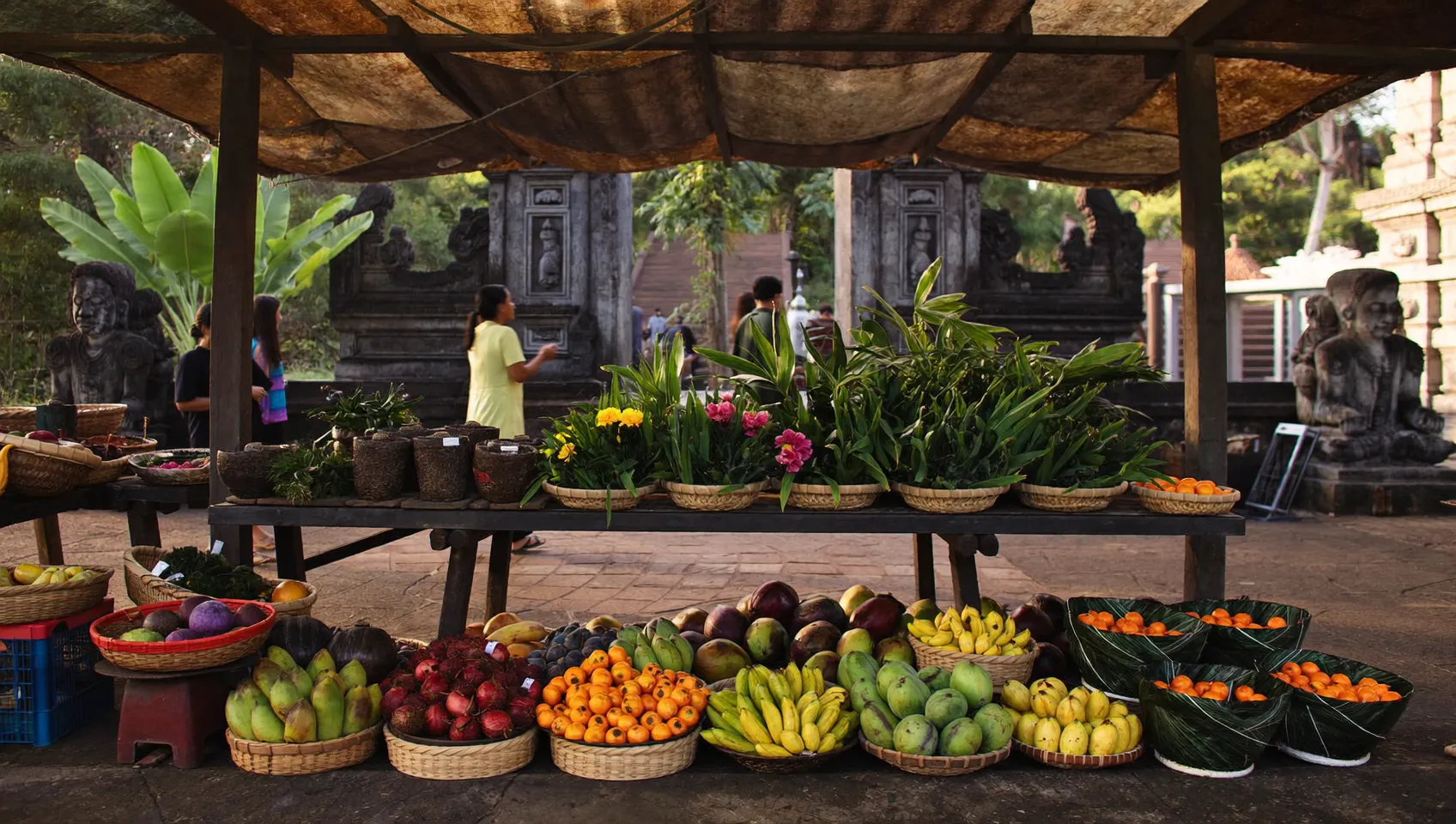
- Markets, street stalls and souvenir shops
- Small transport and driver services
- Rural villages and areas outside tourist regions
On the same street, you may find two businesses, one accepting cards and one not. So keep a reasonable amount of rupiah with you every day. If you're heading to a remote area, withdraw that day's cash in advance; don't assume you'll find an ATM along the way.
Card and ATM safety
Credit card, online banking and ATM fraud occur in Indonesia. So stick to a few rules.
- Don't let your card out of your sight. Have the payment made where you can see it.
- Use ATMs in safe locations. Prefer machines inside a bank branch, shop or shopping mall.
- Cover your hand when entering your PIN.
- Monitor your account activity. Turn on instant notifications in mobile banking.
Don't travel with a single card
A card can get stuck in a machine, be blocked, or be lost. Your bank may have disabled overseas use; check your usage permissions and limits before departure. If possible, carry two different cards and keep them in separate places. Leaving one card in the hotel safe protects you from being left without cash if the other is lost. If you notice a suspicious transaction, call your bank's hotline immediately to block the card.
Step by step: preparing money for Bali
Follow this order before departure.
- Call your bank. Find out whether your card is enabled for overseas use, what the ATM withdrawal limit is, and what transaction fees apply.
- Make a spending plan. Check how much of your accommodation and tour payments have already been made. Determine the cash and card split for the remaining meals, transport and shopping.
- Get a backup payment method. Consider a second card and some cash for emergencies.
- Proceed gradually upon arrival. Get enough rupiah for the first day's needs, then withdraw the rest from a safe ATM or a licensed exchange office.
- Check the currency on every payment. Make sure the amount is in rupiah.
- Keep your receipts. Compare them with your card statement when you return.
If you're planning day trips to villages around Ubud, prepare that day's cash in the morning. Before leaving the hotel, check whether you have small denominations; it can be hard to find change at small businesses.
Checklist before you go
In your final preparations, make sure to complete the following:
- Your passport is valid; no visa is required and the permitted stay is 30 days. See the Indonesia page for details.
- Your cards are enabled for overseas use with sufficient limits.
- A second card and separately stored emergency cash are ready.
- Mobile banking notifications are turned on, and the bank's hotline reachable from abroad is saved on your phone.
- A daily cash allocation plan has been made.
- A safe location (bank, shop, shopping mall) is chosen for ATM use.
Also review the overseas travel checklist for documents, tickets, insurance and luggage matters.
Travelling with an organized tour reduces the spending burden, as accommodation and transfers are prepaid. For Bali routes, see Wonderland Bali - Ubud Tour Route, and for other options check the overseas tours list. Check what's included in the tour on the relevant page, and set aside a cash allowance for expenses not covered.
Frequently asked questions
What is the currency in Bali?
In Indonesia, which includes Bali, the currency is the rupiah (IDR). The use of rupiah is mandatory for cash and non-cash transactions within the country's borders.
Does a credit card work in Bali?
It works in major city centres and tourist areas. It's not widely accepted outside these areas; it's recommended to carry cash when heading to remote places.
Can you pay with dollars or euros in Bali?
As a rule, the use of rupiah is mandatory for transactions within Indonesia's borders. Although some businesses may offer to accept foreign currency, don't count on this and prepare rupiah.
Is it safe to withdraw money from an ATM in Bali?
ATM and card fraud occurs in Indonesia. Use ATMs in safe places such as a bank branch, shop or shopping mall, and don't let your card out of your sight.
Do you need a visa to go to Bali?
Indonesia is visa-free for Turkish citizens. The permitted stay is 30 days; check the current situation on the country page.
What should I find out from my bank before leaving for Bali?
Ask whether your card is enabled for overseas use, what the ATM withdrawal limit is, and what transaction fees apply. Also note down the bank's hotline reachable from abroad in case your card is lost.
Sources
- Indonesia travel advice — travel.gc.ca
- Bank Indonesia Cicular No. 17/11/DKSP dated 1 June 2015 concerning Mandatory Use of Rupiah within the Territory of the R — bi.go.id
- Indonesia Travel Advice & Safety — smartraveller.gov.au
My Travel Team
Travel Editor
The My Travel team prepares up-to-date travel, visa and tourism information and guides.