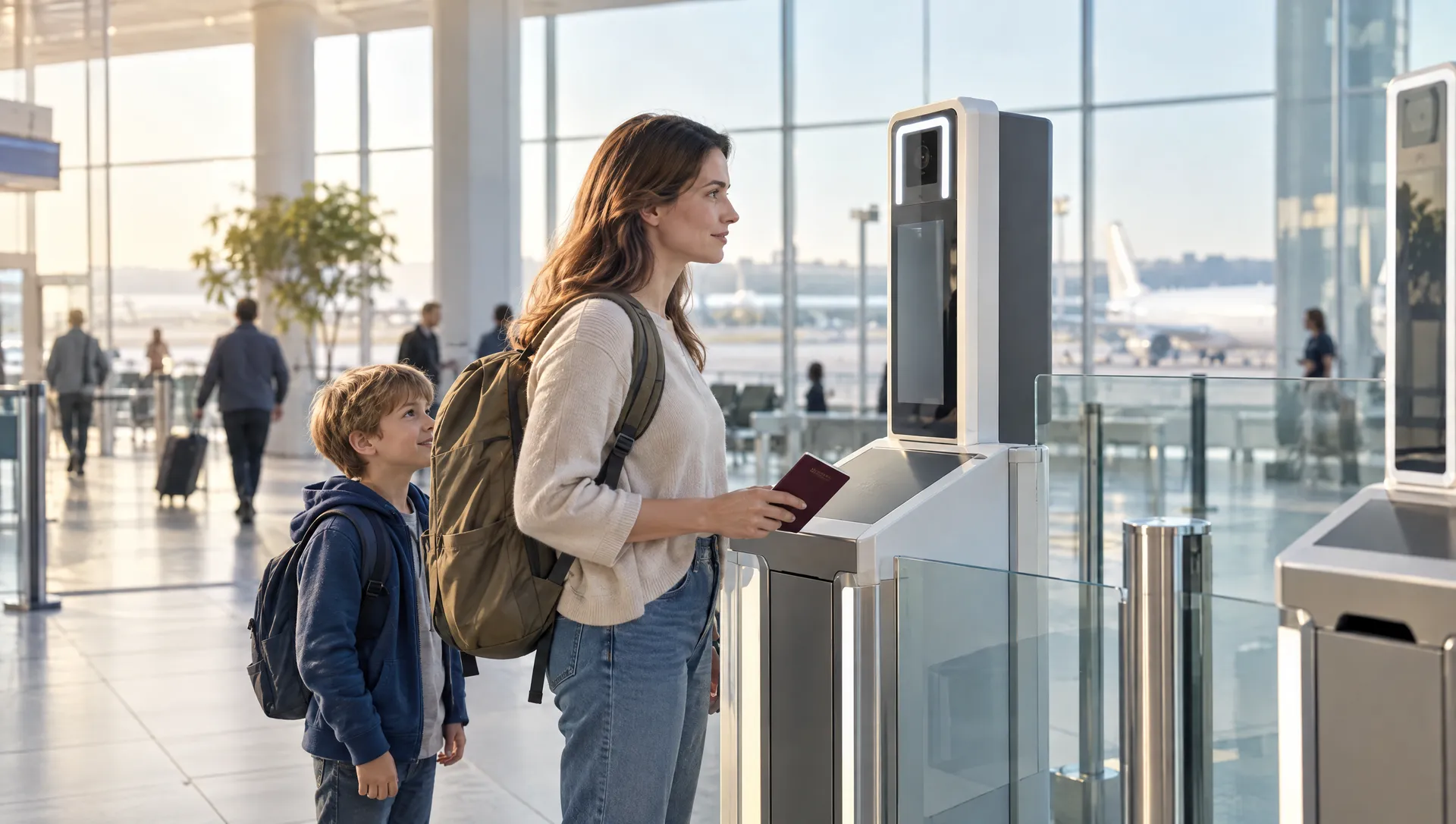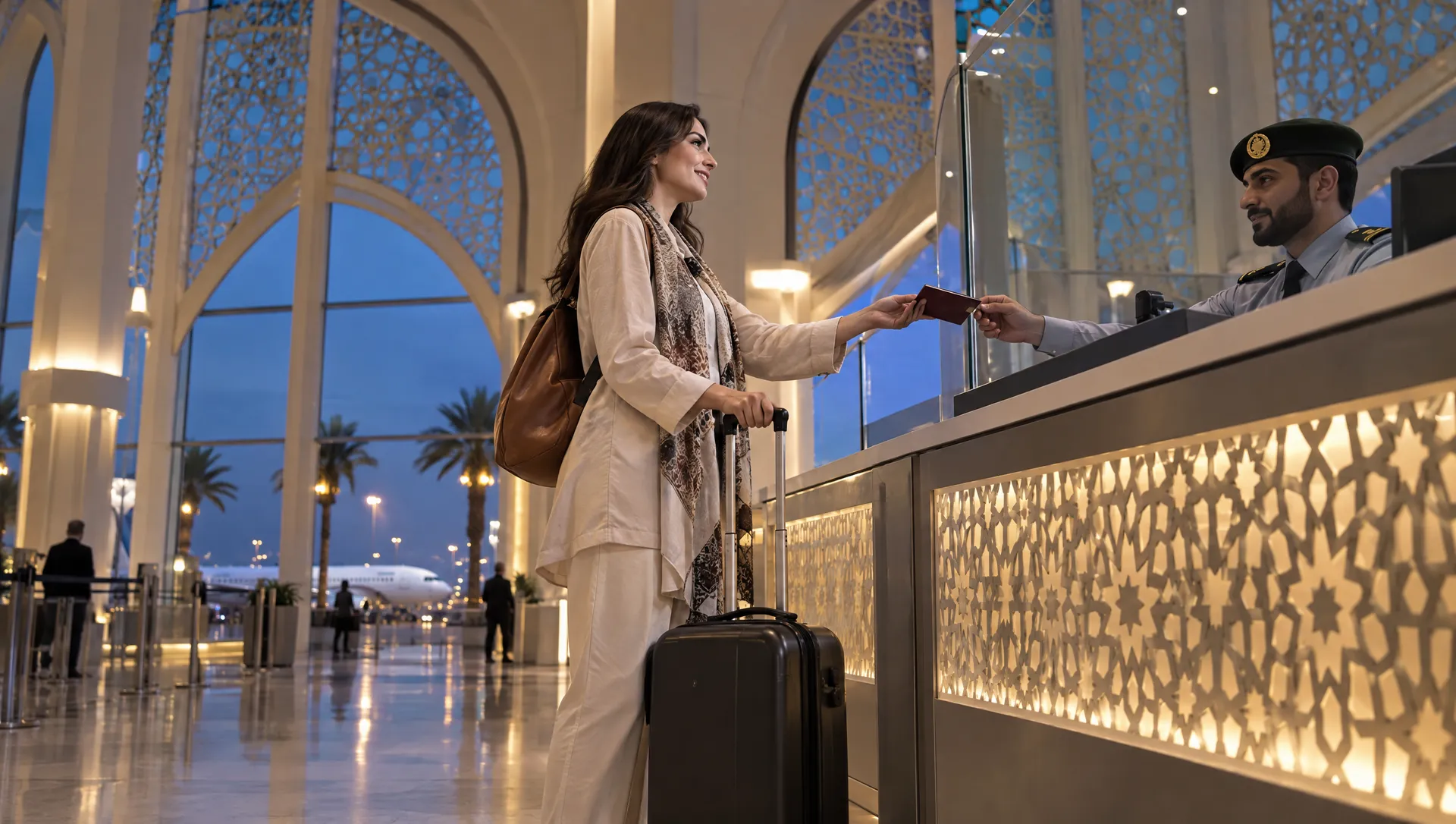
Leaving the airport during a Dubai layover counts as entering the country. Turkish citizens with a regular (maroon) passport need a visa. Tickets, baggage, common mistakes and a checklist in this article.
The answer to the question of whether you can leave the airport during a layover in Dubai is this: yes if you have a visa, no if you don't. Leaving the airport counts as entering the country, and Turkish citizens with a regular (maroon) passport need a visa. Below you will find the difference between transit and entry, ticket and baggage situations, common mistakes, and the steps to take before you travel.
In short
- Leaving the airport counts as entering the country; Turkish citizens with a regular (maroon) passport need a visa.
- If you don't have a visa, don't leave the airport; confirm transit procedures with your airline.
- With separate tickets, you may need to re-check your baggage; this can bring passport control into play.
- Base your decisions on official information and the visa page, not on reports from unverified sources.

The core of the rule: leaving the airport is entering the country
The United Arab Emirates requires Turkish citizens holding a regular (maroon) passport to obtain a visa for entry. The Ministry of Foreign Affairs publishes this information; it is the UAE that sets this requirement. Leaving the airport during a Dubai layover means going through passport control and entering the country. Therefore, entry rules also apply to transit passengers.
The result is simple:
- If you have a visa: you can leave the airport; however, you need to calculate the duration, your return and your connecting flight plan in advance.
- If you don't have a visa: don't leave the airport. Don't take the risk of missing your flight or being denied entry.
Holders of diplomatic passports are exempt from a visa for stays of up to 90 days. This exemption does not cover the regular (maroon) passport. Check your passport type; you can see the current visa status on the UAE visa page.
The difference between staying in the transit area and leaving the airport
For a transit passenger, the main distinction is whether or not you pass through passport control. When you stay in the transit area, you aim to proceed to your connecting flight without entering the country. The details of this process, such as additional security checks, terminal changes and gate information, can vary by airport and airline. Check your airline's current rule for transit procedures.
Leaving the airport, on the other hand, is a separate process:
- You go to the passport control point.
- The entry procedure is carried out; if your baggage is not being transferred, you proceed to the baggage claim area.
- You reach the city from the airport exit.
- On your return, you go through control and security procedures again.
Each of these steps takes time, and you cannot know the exact duration of any of them in advance.
Time margin
If your layover is short, don't plan to leave the airport at all. You need a wide buffer for entry control, city transportation, returning, and going through security again. The cost of missing your flight may, in many cases, fall on the passenger; learn the conditions from your ticket and your airline.

Ticket, baggage and airline differences
How your layover is ticketed can affect what happens to your baggage and your decision to leave the airport. Separate these two situations.
Single booking
If the two flights are on the same booking, baggage is usually tagged through to the final destination. In this case, you may not need to process your baggage at the intermediate point. Still, ask at check-in where your baggage is tagged to, and check your airline's current rule.
Separate tickets
If you purchased the two flights separately, baggage transfer may not be automatic. In this case, you may need to collect your baggage and check it in again; this may require you to pass through passport control. Also, how a delay on the first flight is handled for the second flight depends on the tickets' conditions. Read both airlines' rules before expecting any protection.
Cabin and checked baggage
Traveling with only carry-on baggage simplifies your layover. If you plan to shop at the airport, read in advance about whether items bought at duty free cause problems at customs. Check your airline's current rule for items allowed in the cabin.
Common mistakes and unverified information
Different claims about Dubai layovers circulate online. Some statements written by news sites could not be verified against the airport operator's or the UAE's official pages. Setting off with this kind of information is risky. On the matter where the official source clearly states the situation, namely the visa requirement for entry with a regular (maroon) passport, act according to this requirement.
Common mistakes:
- Assuming a layover is "not entry": The moment you leave the airport, the entry process begins.
- Trusting news articles: A report from an unverified source does not replace the official rule.
- Not accounting for separate tickets: If you need to re-check your baggage, you may need to pass through passport control and enter the country; a visa is required for this as well.
- Underestimating the time needed: Passport queues and city traffic can disrupt your plan.
- Confusing passport types: The diplomatic passport exemption does not apply to the regular (maroon) passport.
If you're not sure, the rule is simple: if you don't have a visa, don't leave the airport, and ask your airline about any uncertainties before your flight.
Step by step: what to do before your layover
Clarify your plan in this order before you set off:
- Check your passport. A visa is required for the regular (maroon) passport. Learn the validity period requirements from your airline and the visa page.
- Verify your visa status. Check the information on the UAE visa page. Don't rely on reports from unverified sources.
- Review your ticket. Check whether it's a single booking or separate tickets, and where your baggage will be tagged to.
- Make your decision. If you don't have a visa, don't leave the airport. If you have a visa, calculate your layover time, how long you'll stay in the city, and your return time.
- Leave a margin for your return. Allow a wide buffer for going through security and control again before your connecting flight.
- Plan your payment method. If you'll be spending money in the city, take a look at what currency is used in Dubai and whether cards are accepted.
If any uncertainty remains in these steps, clarify your decision about leaving the airport before your flight; don't leave it to be decided at the airport.
Seeing Dubai as a planned trip, not a layover
Seeing the city during a layover may seem appealing but is limited. Entry control, transportation and return procedures consume your time. A separate trip is a more suitable way to comfortably see Dubai's landmark structures and city center.
One of the Dubai tours on sale is the Dubai Tour 3 Nights 5 Days With AJet Airlines, Including Dubai Icons and City Tour tour; as its name suggests, it includes a city tour. Those who want to travel during the New Year period can look at the New Year Special Dubai Tour With Emirates Airlines route. Check the visa service, dates and scope separately on the relevant tour page and the visa page.
To see all options, you can check the list of Dubai tours.
Checklist before you set off
Tick off these items one by one before heading to the airport:
- Have you checked your passport type and validity period?
- Have you read the current status on the UAE visa page?
- If you don't have a visa, have you accepted that you won't leave the transit area?
- Are your tickets on a single booking or separate? Have you found out where your baggage will be tagged to?
- If you have separate tickets, have you calculated the risk of baggage collection and re-check-in?
- If you'll be leaving the airport, have you left a wide time margin for returning and going through security again?
- Have you checked your airline's current baggage and transit rule?
- Have you brought printouts of your passport, ticket and visa documents with you?
If you can't answer yes to every item, postponing the decision to leave the airport is safer than risking missing your flight.
Frequently asked questions
Can you leave the airport during a layover in Dubai?
You can if you have a visa, you can't if you don't. Leaving the airport counts as entering the country, and Turkish citizens with a regular (maroon) passport need a visa. Check the current status on the UAE visa page.
Do you need a visa for a layover in Dubai?
If you're going to leave the airport, a visa is required for the regular (maroon) passport. If you'll stay in the transit area and proceed to your connecting flight, confirm the applicable procedures with your airline and the airport's information service.
What should I do during a layover if I don't have a visa?
Don't go through passport control or leave the airport. Follow the directions regarding your connecting flight and consult airline staff if necessary.
If I'm traveling on separate tickets for my layover, do I need to leave the airport?
If your baggage is not transferred to your connecting flight, you may need to collect it and check it in again. This may require you to pass through passport control. Clarify your visa status in advance for separate tickets.
Can I trust the information written on news sites?
Don't rely on reports that cannot be verified against the airport operator's or the UAE's official page. Entry for Turkish citizens with a regular (maroon) passport is subject to a visa requirement. Check current information from the official source and the visa page.
Can you enter Dubai without a visa with a diplomatic passport?
According to the Ministry of Foreign Affairs, holders of diplomatic passports are exempt from a visa for stays of up to 90 days. Holders of regular (maroon) passports cannot benefit from this exemption. Check according to your passport type.
Sources
My Travel Team
Travel Editor
The My Travel team prepares up-to-date travel, visa and tourism information and guides.