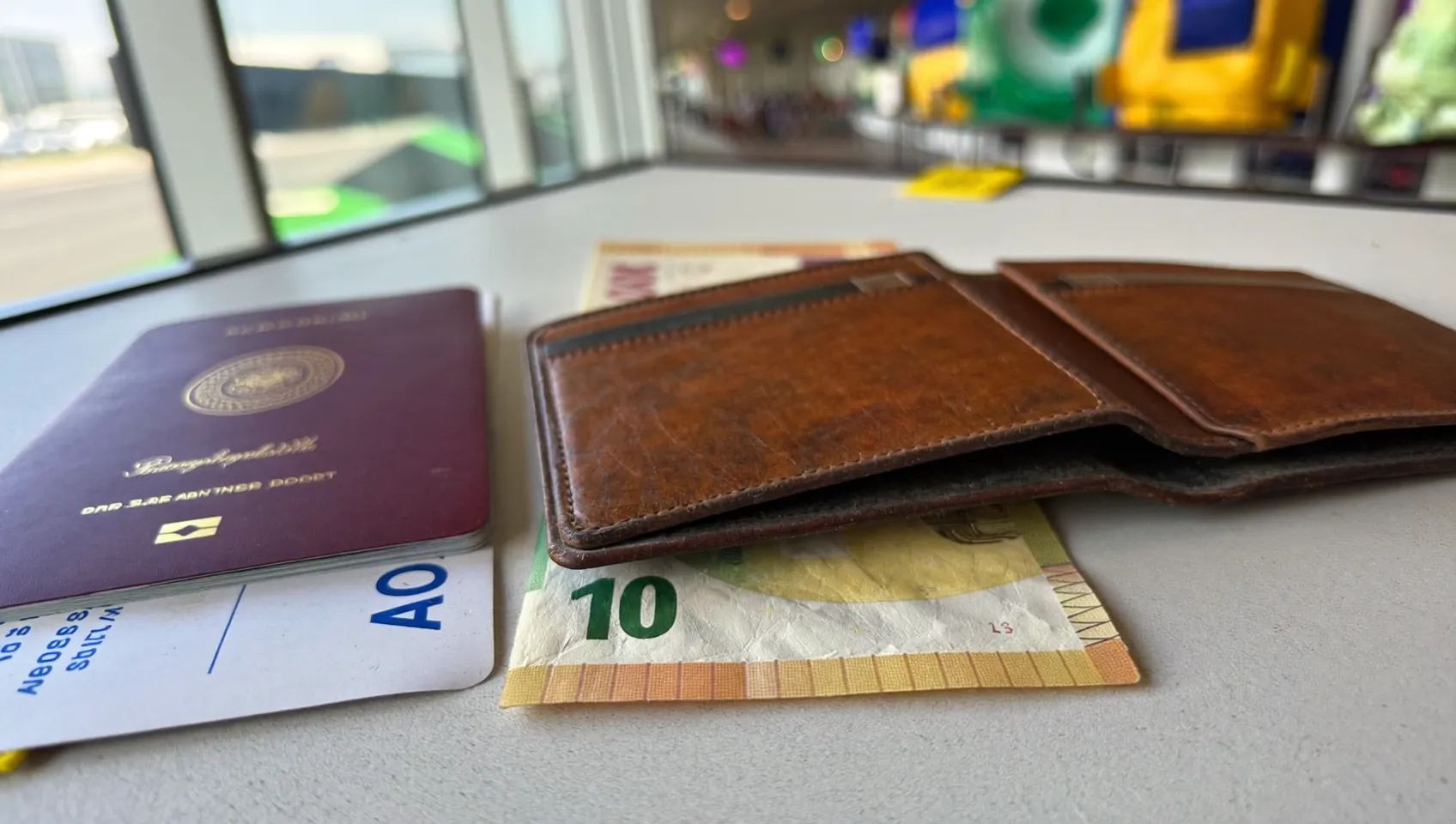
Travelling abroad for the first time? Make your trip smooth and enjoyable with this guide of 15 golden travel tips. All the details from passport to packing!
Travelling abroad for the first time opens the door to an exciting adventure filled with unforgettable memories. This guide offers 15 golden tips to help you navigate every stage of your journey, from passport and visa procedures to packing, budget management and safe travel advice, making your first trip abroad smooth and enjoyable.
15 Golden Travel Tips for First-Time International Travellers
Hello travel enthusiasts! As the My Travel family, we share your excitement for exploring every corner of the world. For those travelling abroad for the first time in particular, this experience can bring both great excitement and a few question marks. Questions like "Where should I start?", "What should I pay attention to?" or "What if something goes wrong?" may be on your mind. Don't worry! With years of experience, we're here to make this process as easy and enjoyable as possible for you.
Your first trip abroad can be a turning point you'll never forget in your life. Getting to know different cultures, discovering new flavours, witnessing breathtaking views and pushing your own limits… All of these are just a few of the beauties awaiting you. However, before opening the doors to this magical world, it's important to take the right steps and be prepared. Here are 15 golden travel tips, distilled from the experience of My Travel experts, to guide you on this first adventure!
The Basics of Travel: Planning and Documents
The first step of travelling abroad is solid planning and obtaining the necessary documents in full. This process is the most critical stage that determines how smoothly the rest of your journey will go. Remember, a good start is half the journey.
#### Tip 1: Plan Early, Avoid Last-Minute Stress
The earlier you start planning your trip, the more advantageous you'll be. Flight tickets and accommodation prices generally rise as the travel date approaches. By booking your tickets and hotel reservations 3-6 months in advance on average, you can both find more affordable prices and choose from more options. This period may extend even further, especially for popular destinations or special dates (holidays, festivals). Early booking also gives you enough time for bureaucratic processes such as visa procedures and passport checks.
In addition, determining the general route of your trip and the places you want to visit in advance helps you manage your budget better and use your time more efficiently. Researching answers to questions like "How many days should I stay here?" or "How do I travel between these two cities?" in advance reduces the likelihood of encountering surprises and makes your holiday more enjoyable.
#### Tip 2: Never Delay Your Passport and Visa Procedures
A passport and visa are essential for travelling abroad. Check your passport's validity period; most countries require a passport valid for at least 6 more months from the end date of your trip. If you don't have a passport or it's about to expire, get an appointment right away to start the renewal or issuance process. Passport appointment availability and printing times can vary seasonally, so never leave it to the last minute.
Visa requirements vary depending on the country you're visiting and your nationality. Some countries don't require a visa from Turkish citizens, while others offer visa on arrival, and some require obtaining a visa from the consulate before travel. Research the visa policy of the country you're visiting in detail through the Ministry of Foreign Affairs or the relevant country's consulate websites. Visa applications usually involve gathering documents, getting an appointment and an evaluation process, which can take anywhere from a few weeks to a few months. Therefore, it's vital that you start the visa process as soon as your travel plan is finalised.
#### Tip 3: Thoroughly Research Your Destination
The more information you have about your destination, the more comfortable and confident you'll feel. Research the culture, customs, local laws, weather, currency, transportation network and general safety situation of the country or city you're visiting. For example, some countries have specific dress codes, while others have details you need to pay attention to when taking photographs. Being respectful to local people will help you avoid unpleasant situations.
Also, determine the tourist sites you want to see, the restaurants you want to try and the activities you can participate in. Learning in advance the opening hours, entrance fees and online ticket purchase options of popular attractions saves you time and prevents possible disappointments. At My Travel, we're happy to help you create personalised travel routes at mytravel.tr.
#### Tip 4: Manage Your Budget Wisely
Financial planning is one of the most important elements of travelling abroad. In addition to fixed expenses such as flight tickets, accommodation and visa fees, you also need to set aside a budget for food and drink, local transportation, museum entries, shopping and unexpected expenses. Preparing a "travel budget" before your trip helps you keep your expenses under control.
By setting and tracking daily spending limits, you can avoid going over your budget. Also, while tipping culture is common in some countries, bargaining is customary in others; knowing such local practices helps you use your money more efficiently. Remember, it's always wise to keep a small reserve fund for emergencies.
#### Tip 5: Never Neglect Travel Insurance
For those travelling abroad for the first time, travel insurance is absolutely not something to overlook. Unexpected situations abroad such as health problems, lost luggage, trip cancellations or delays can cost you a great deal of money out of pocket. Travel insurance financially protects you against such risks.
Examine the coverage of your insurance policy in detail. Make sure it includes basic coverage such as emergency medical assistance, hospital expenses, medication supply, repatriation, and lost or stolen luggage. Travel insurance is mandatory for some visa types. Remember, a small insurance premium can prevent your holiday from turning into a big nightmare.
From Suitcase to Wallet: The Fine Points of Preparation
Once planning and documents are complete, it's time for physical preparations. You need to think about many details, from the contents of your suitcase to the money in your wallet, from your health to your safety. This section contains practical tips that will help you stay comfortable during your journey.
#### Tip 6: Pack Light and Smart
Packing is one of the most enjoyable but sometimes most stressful parts of travelling abroad. Instead of struggling with questions like "What should I bring?" or "Will it be too heavy?", adopt a minimalist approach. Choose versatile clothing considering the weather of your destination and the activities you'll be doing. Layered clothing allows you to adapt easily to different weather conditions.
Carrying too many items tires you out and can lead to extra baggage fees. Don't forget to put your valuables, medications, a day's worth of clothing and basic hygiene items in your carry-on bag. This way, if your main suitcase gets lost or delayed, you've saved your first day. Pay attention to liquid restrictions and prefer small-sized packaged products.
#### Tip 7: Complete Your Financial Preparations Thoroughly
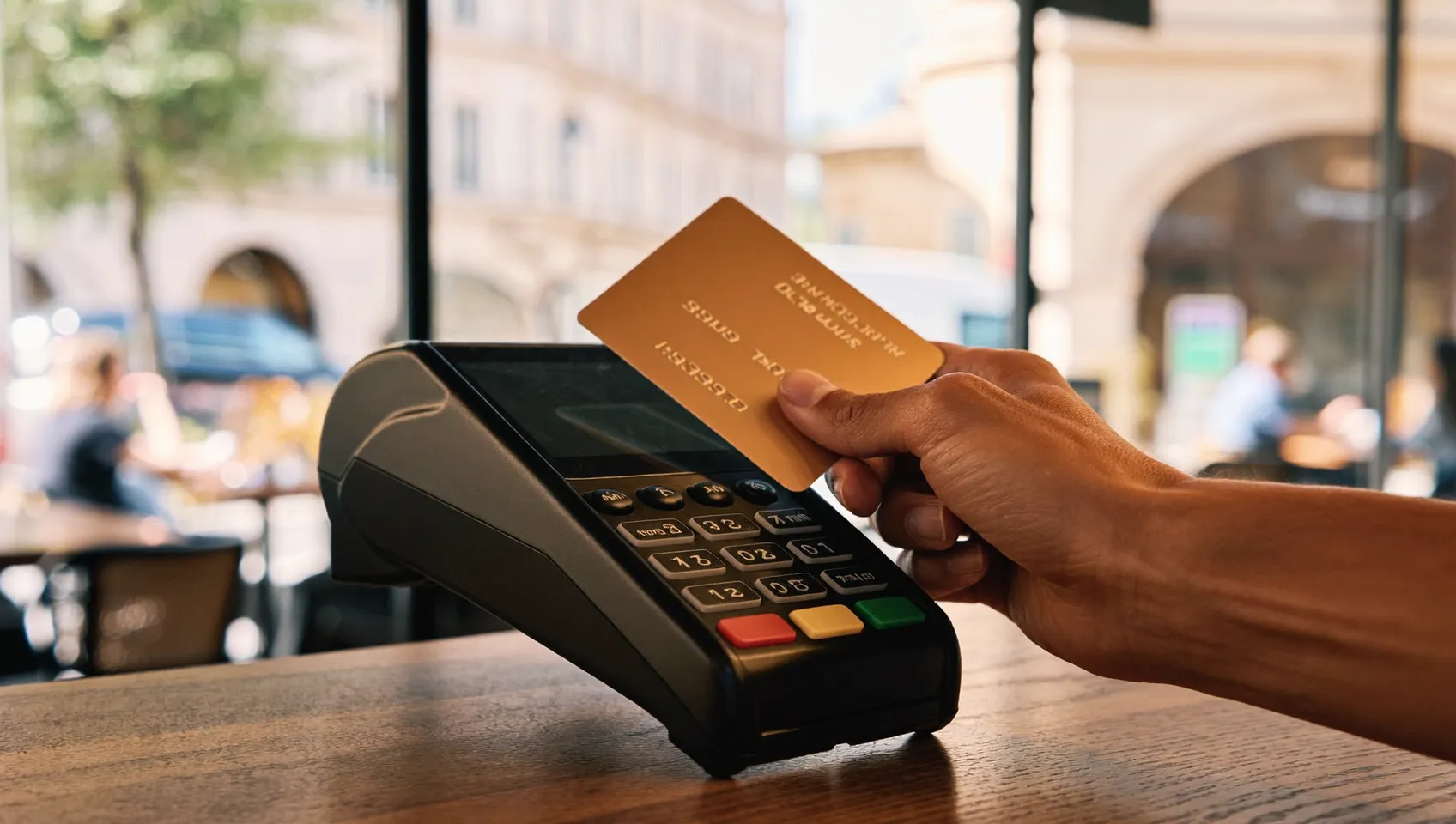
Managing money abroad is a matter that requires attention. Before travelling, contact your bank to find out whether your cards are enabled for international use, your daily spending limits, and possible foreign currency withdrawal or card usage fees. Make sure your credit and debit cards are enabled for use abroad.
Having some cash in the local currency of your destination is always a good idea, especially useful at small shops or in emergencies. However, avoid carrying all your money as cash with you. Having several different cards from different banks saves you from being in a difficult situation if one doesn't work. Also, try to exchange currency at banks or exchange offices in city centres rather than at airports, as they usually offer better rates.
#### Tip 8: Prioritise Your Health
Getting a general health check-up before travelling is very important, especially if you have a chronic condition or take regular medication. Bring an adequate supply of your prescription medications with you and, if possible, ask your doctor for a document stating the English names of your medications and why you use them. This document can help you at customs checks or in an emergency.
It's also wise to prepare a small first aid kit. Include basic needs such as painkillers, fever reducers, bandages, antiseptic wipes, nausea medication and allergy medication. Research whether any vaccinations are recommended for the region you're visiting and get them well in advance of your trip if necessary.
#### Tip 9: Always Ensure Your Safety
Safety should be one of your top priorities when travelling abroad. Take photocopies of your passport, visa, ID and tickets, and store them in different places both physically and digitally (email, cloud storage). Be careful when carrying the originals and keep them in a safe place.
Always carry your bag in front of you, and be alert against pickpocketing, especially in crowded areas. Prefer to leave valuables (large amounts of cash, expensive jewellery) in the hotel safe. Stay away from suspicious people and deserted areas. Avoid wandering alone in the evening and learn the emergency numbers (police, ambulance, consulate) of the place you're in beforehand. Check the Ministry of Foreign Affairs' travel advisories regarding the general safety situation of the country you're visiting.
On the Road and on Arrival: Communication, Transportation and Local Adaptation
Preparations are complete, now it's time to hit the road! This section covers what you need to pay attention to on the plane, at the airport and at your destination, as well as staying connected and adapting to local life.
#### Tip 10: Keep Your Communication Channels Open
Staying in touch with loved ones and having internet access while travelling abroad is important for both comfort and safety. Before travelling, check your own operator's international roaming packages. These packages can sometimes be costly. A more economical alternative is to buy a local SIM card in the country you're visiting or rent a portable Wi-Fi device. You can easily obtain a local SIM card from phone operator dealers at airports or city centres.
Also, take advantage of free Wi-Fi opportunities at hotels, cafes and public areas. Download offline maps and translation apps to be prepared even when you don't have internet access. Don't forget to leave your travel plan and accommodation information with your family or close friends.
#### Tip 11: Check Your Transportation and Accommodation Details One Last Time
Check in online at least 24 hours before your flight to save time and take advantage of benefits such as seat selection. Regularly check the airline's mobile app or website for possible delays or gate changes related to your flight. Arrive at the airport early enough; international departure procedures, security checks and passport queues can take longer than expected.
Plan in advance how you'll get from the airport to your hotel at your destination. Research options such as public transportation (metro, bus), taxis or pre-arranged transfer services. To avoid possible scams, only use official taxis or trusted transportation providers. Keep your hotel reservation and address information somewhere you can easily access.
#### Tip 12: Respect and Adapt to the Local Culture
Travelling to a different country means experiencing a different culture. Respecting the lifestyle, traditions and beliefs of the local people is key to a smooth trip. Be informed about dress codes, greeting customs, eating habits, or rules you need to follow when visiting religious sites.
Learning a few basic local phrases (hello, thank you, please) makes it easier to communicate with local people and helps you develop warmer relationships with them. Be open-minded and tolerant of things that differ from your habits back home. Remember, you went there to learn and experience new things.
Enrich Your Experience: Flexibility and Enjoyment
Finally, some important tips for enjoying your trip and dealing with unexpected situations. This section emphasises the importance of being flexible even in a well-planned trip and enjoying every moment.
#### Tip 13: Be Flexible for Unexpected Situations
Even the best plans can sometimes go wrong. Your flight might be delayed, the weather might suddenly change, there might be an issue with your reservation, or a place you wanted to visit might be closed. In such situations, instead of panicking, being flexible and solution-oriented prevents your holiday from being ruined. Be open to making alternative plans and try to accept the situation and turn it into a new experience.
Experiencing small setbacks during travel is also part of the experience. Remember, these memories will also enrich the story of your journey. Try to use your sense of humour instead of stress, and try to learn a lesson from every situation.
#### Tip 14: Make Use of Your Digital Assistants
Your smartphone can be your biggest helper during your trip abroad. Download many useful tools to your phone such as offline map apps (Google Maps, Maps.me), translation apps (Google Translate), currency converter apps, public transportation apps and online ticketing platforms. Store your reservations, tickets and important documents digitally.
Read travel blogs and forums to benefit from other travellers' experiences. You can use social media to get up-to-date information about the places you're travelling to or to discover local events. However, pay attention to the security of your personal data when using the internet, and avoid conducting sensitive transactions on public Wi-Fi networks.
#### Tip 15: Live in the Moment and Enjoy Every Minute
The ultimate purpose of all this planning, research and preparation is to enjoy your trip. Sometimes just let yourself look around, chat with locals, or sit in a cafe and watch the world. Instead of trying to photograph every moment, focus on actually experiencing it.
Try new flavours, turn down streets you don't know, explore local markets and be open to making spontaneous decisions. Every moment of your trip is an opportunity to learn and grow. The best way to build unforgettable memories is to lose yourself in the moment. Appreciate every second of your first trip abroad, because this will be a unique experience that opens a new chapter in your life.
Conclusion: Step into an Unforgettable Beginning
Travelling abroad for the first time is an adventure that requires courage and good preparation, but offers you priceless experiences in return. At My Travel, we believe these 15 golden tips will make your journey safer, more enjoyable and more unforgettable. When you step into your dream destination, you'll see that all these preparations weren't wasted, but rather carried you to new horizons.
We wish you a good journey in advance. We're always with you on your adventure to explore the world!
Frequently Asked Questions
How long does my passport need to be valid for travelling abroad?
Most countries require a passport valid for at least 6 more months from the end date of your trip. This period may be shorter for some countries, while rarely longer periods may also be required. Therefore, it's important to check the current passport validity requirements of the country you're visiting.
How much cash should I carry with me on my first trip abroad?
Carrying too much cash with you can pose a security risk. Generally, it's enough to have a small amount of local currency sufficient for the first few days or emergencies. For your remaining expenses, it's safer to use digital payment methods such as credit cards and debit cards.
How can I get internet access while travelling abroad?
You have a few options for internet access abroad: using your own operator's international roaming packages, purchasing a local SIM card in the country you're visiting, or renting a portable Wi-Fi device. Buying a local SIM card is generally one of the most economical options.
Is travel insurance really necessary?
Yes, travel insurance is absolutely necessary. Unexpected situations abroad such as health problems, lost luggage, trip cancellations or delays can cost you a great deal of money out of pocket. Travel insurance financially protects you against such risks and allows you to have a worry-free trip.
Frequently Asked Questions
What documents are required to travel abroad for the first time?
The most basic document for your first trip abroad is a valid passport. It's recommended that your passport be valid for at least 6 months from your travel date. Depending on the country you're visiting, you may also need a visa; destinations such as Schengen countries, the USA and Canada require you to apply for a visa in advance. In addition, you should also have your flight ticket, hotel reservation, travel insurance policy and a sufficient amount of foreign currency or an internationally valid bank card with you.
Is travel insurance mandatory for travelling abroad?
Travel insurance is legally mandatory for Schengen visa applications and must provide coverage of at least 30,000 Euros. While not mandatory for other destinations, it's strongly recommended. Travel insurance protects you from major financial burdens in unexpected situations such as medical emergencies, lost luggage, flight cancellations and accidents. Especially on your first trip abroad, having an insurance policy allows you to travel with peace of mind.
How should money be carried abroad, cash or card?
Carrying both cash in foreign currency and an internationally valid bank or credit card is the safest approach for your trips abroad. Carry cash in the local currency of the country you're visiting for small expenses, tips and market shopping. For larger expenses, prefer a card with low or no foreign transaction fees. Avoid airport currency exchange offices; exchange offices in city centres or ATMs usually offer better rates. Also, don't forget to notify your bank in advance that you'll be using your card abroad.
How should I pack for my first trip abroad?
When packing, first research the weather conditions and cultural norms of the country you're visiting. Check the airline's baggage rules; most economy class tickets limit carry-on baggage to 7-8 kg and checked baggage to 20-23 kg. Roll your clothes instead of folding them to save space and reduce wrinkling. Put liquids such as shampoo and lotion in transparent containers not exceeding 100 ml in your carry-on bag. Always carry your medications, chargers and valuables in your carry-on bag.
How should an international travel budget be planned?
When planning your travel budget abroad, calculate items such as flight tickets, accommodation, food, transportation, tour activities and shopping separately. Set aside approximately 15-20% of your total budget for unexpected expenses. You can make significant savings on accommodation by booking early. Prefer local restaurants and markets to reduce food expenses. Compare flight prices with tools like Google Flights or Skyscanner and find more affordable tickets by travelling with flexible dates.
Related Posts
My Travel Team
Travel Editor
The My Travel team prepares up-to-date travel, visa and tourism information and guides.