Discover the history, rich culture, and current situation of Iraq's ancient cities. Get to know Iraq closely with this guide spanning from Baghdad to Erbil, from Mosul to Basra.
Iraq, the land where ancient civilizations were born, offers visitors a unique experience with its cities that carry the deepest traces of history and culture. From the streets of Baghdad that whisper tales of One Thousand and One Nights, to the modern development of Erbil, from Mosul's struggle for rebirth to Basra's vibrant trading port, every city combines the splendor of the past with the dynamics of the present. This guide offers a comprehensive roadmap for those who want to discover the historical richness, cultural fabric, and recent developments of Iraq's cities.
Hello dear travelers and exploration enthusiasts! I'm here as an experienced travel expert from My Travel, to tell you about one of the world's most misunderstood yet equally fascinating geographies: Iraq. Known to us from television screens or news headlines, Iraq is actually much more; it is a land where human history began, where civilizations flourished, and which served as the cradle of legends and scientific discoveries.
In my visits to Iraq over the years, I saw a different story, a different resilience, and hope in every corner of this ancient land. While imagining the splendor of the Abbasid era in the dusty streets of Baghdad, I listened to young people's hopes for the future in Erbil's modern cafes. The spirit of reconstruction rising from the ruins of Mosul affected me deeply, and in Basra's canals I better understood why it was given the title "Venice of the East." In this blog post, I will share with you Iraq's most important cities, their unique history, rich culture, and recent developments, and offer practical information for those wishing to explore these lands.
The Historical Depths of Iraq: Cradle of Civilizations
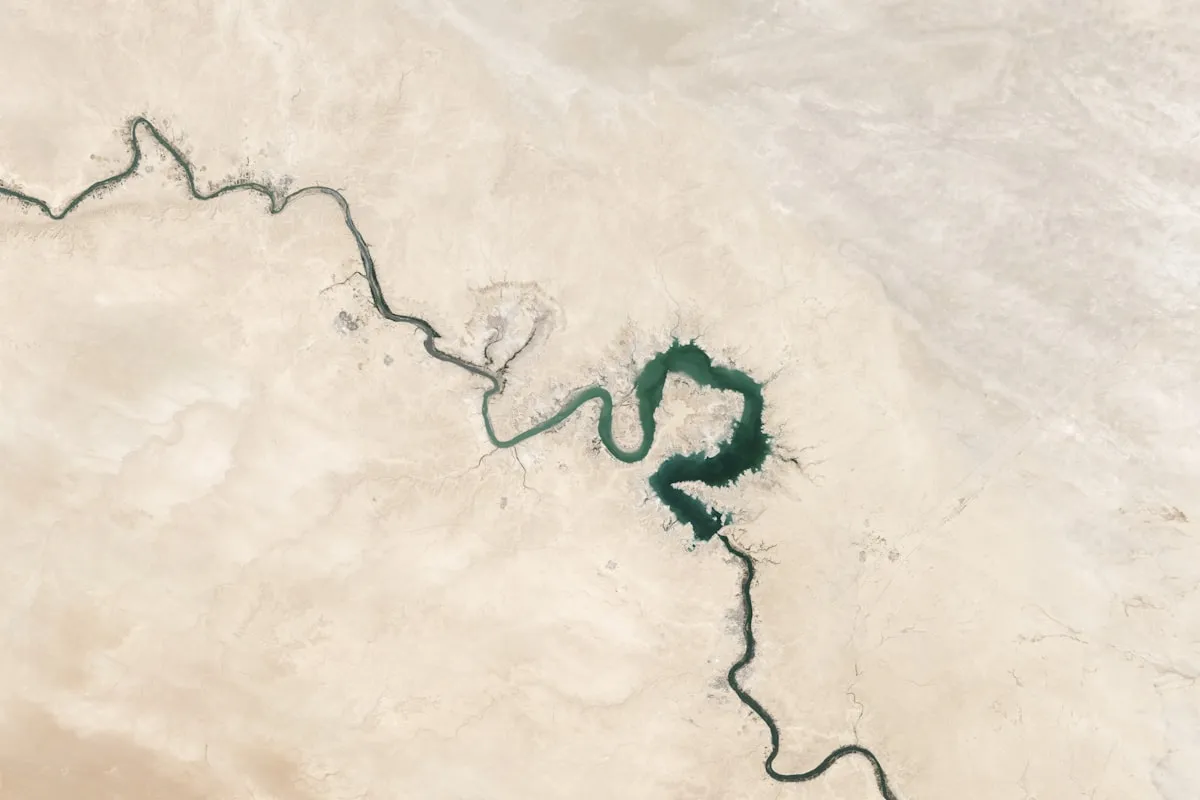
Iraq's lands lie in the fertile crescent between the Tigris and Euphrates rivers, known as Mesopotamia. This geography, home to the oldest and most important civilizations in human history, fully deserves to be called the "cradle of civilization." Great empires such as the Sumerians, Akkadians, Babylonians, and Assyrians rose here and gave humanity writing, the wheel, astronomy, mathematics, and the first laws. This heritage, stretching from the Ziggurat in Ur to the Hanging Gardens of Babylon (according to legend), carries thousands of years of stories in every stone.
After ancient times, Iraq also witnessed the golden age of Islamic civilization. Especially during the Abbasid period, Baghdad became one of the largest and most brilliant cities in the world. With institutions like "Bayt al-Hikma" (House of Wisdom), it became a center of science, philosophy, medicine, and art. The works translated and discoveries made during this period became one of the cornerstones that paved the way for the Western Renaissance. With Iraq carrying one of history's greatest intellectual and cultural legacies, it functions almost like an open-air museum for any traveler curious about the past.
Unfortunately, this rich history also witnessed many invasions and destructions. The Mongol invasion, Ottoman rule, the British mandate, and recent wars deeply affected the fate of these lands. However, after every destruction, the Iraqi people managed to rise from their ashes and continued their effort to preserve their cultural identity and heritage. Even today, traces of the past appear at every step, reminding you of how deep and complex human history is.
Baghdad: From the Tales of One Thousand and One Nights to Today's Capital
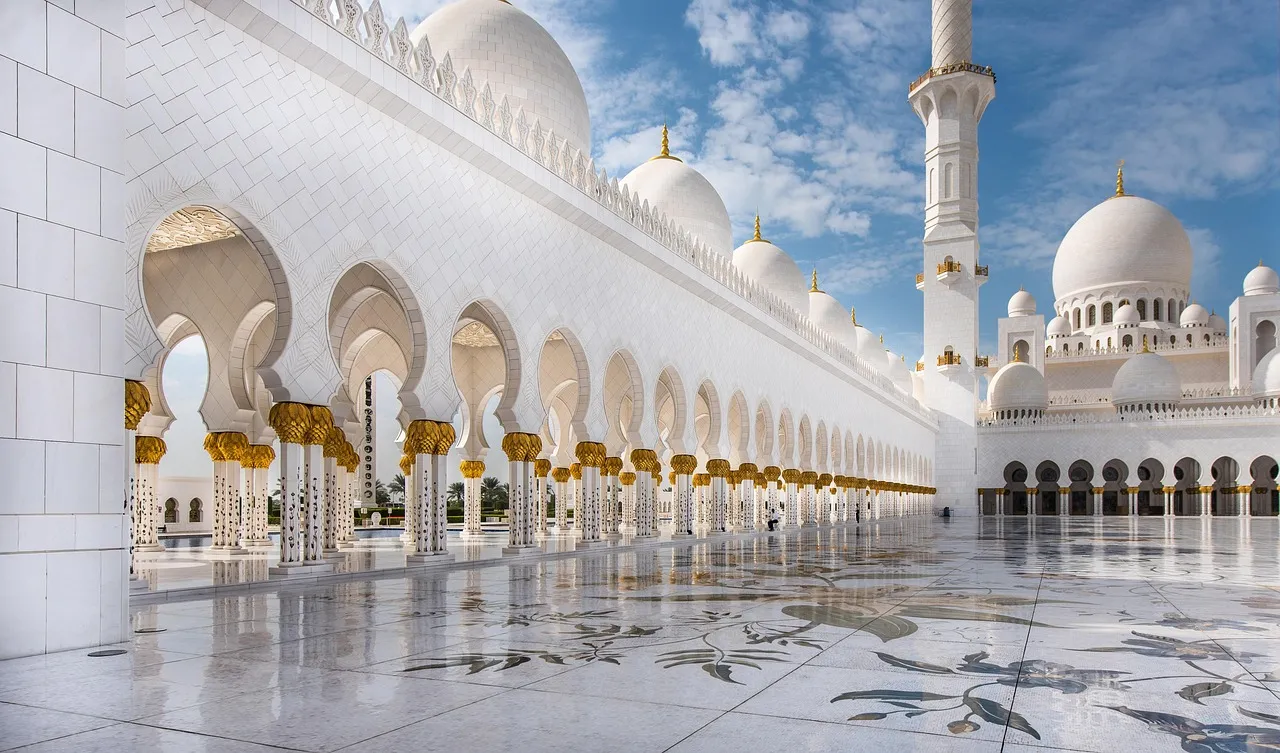
Iraq's heart and capital Baghdad was once one of the world's most magnificent cities and served as the inspiration for One Thousand and One Nights. Reaching its peak during the era of Caliph Harun al-Rashid, this city was a beacon of knowledge and culture with its "Round City" architecture, massive libraries, and centers of science. Built on the fertile lands where the Euphrates and Tigris rivers flow, Baghdad served for centuries as the political, economic, and cultural center of the Islamic world.
Today Baghdad is a dynamic yet equally exhausting city that blends this magnificent legacy of the past with the challenges of modern life. Although traces of recent conflicts and political turmoil are still visible, a clear revival and recovery effort is observed in the city. Al-Mutanabbi Street is still a meeting point for poets, writers, and book lovers; here, the scent of old books blends with new stories. The Iraq Museum continues its mission of preserving and exhibiting the country's priceless antiquities.
For those considering visiting Baghdad, the security situation is of course an important factor. Although the situation in the city has improved significantly in recent years, it is always important to be careful and follow the advice of local authorities. Sacred sites like Al-Kadhimiya Mosque, some palace ruins from the Abbasid era, and modern art galleries reveal Baghdad's multifaceted identity. Allocating at least 3-4 days to explore the city will be a good start to understanding the spirit of this ancient capital. Wandering through local markets, tasting traditional Iraqi cuisine, and watching the sunset on the banks of the Tigris River are indispensable parts of the Baghdad experience.
Erbil: The Heart and Modern Face of the Kurdistan Region
Located in northern Iraq, Erbil is the capital of the Kurdistan Regional Government and one of the region's most dynamic cities. Erbil Citadel is considered one of the oldest continuously inhabited places in the world and is listed on the UNESCO World Heritage List. This ancient citadel rises in the heart of the city, whispering thousands of years of history. The bazaars at the foot of the citadel overflow with traditional crafts and spice scents, almost taking you on a journey through time.
Erbil has experienced significant development and transformation over the past twenty years. Less affected by security problems in other parts of Iraq, the city stands out with modern infrastructure projects, luxury hotels, shopping centers, and a vibrant cultural life. Erbil, which has become an attraction center for the business world, also stands out as one of the safest and most stable cities in the region. This makes the city an attractive destination for both business travel and cultural exploration.
When you visit Erbil, you should definitely get lost in the labyrinth-like streets of Erbil Citadel and tour the museums inside the citadel. You can buy local products and souvenirs in the bazaar around the citadel, and try the flavors of traditional Kurdish cuisine. If you want to see the city's modern face, you can take an enjoyable walk in Sami Abdulrahman Park or mingle with locals in new-generation cafes. Erbil is a hopeful city that builds a bridge between Iraq's ancient past and modern future. The 2-3 days you spend here will offer both a historical and a contemporary Iraqi experience.
Mosul: Symbol of Resistance and Rebirth
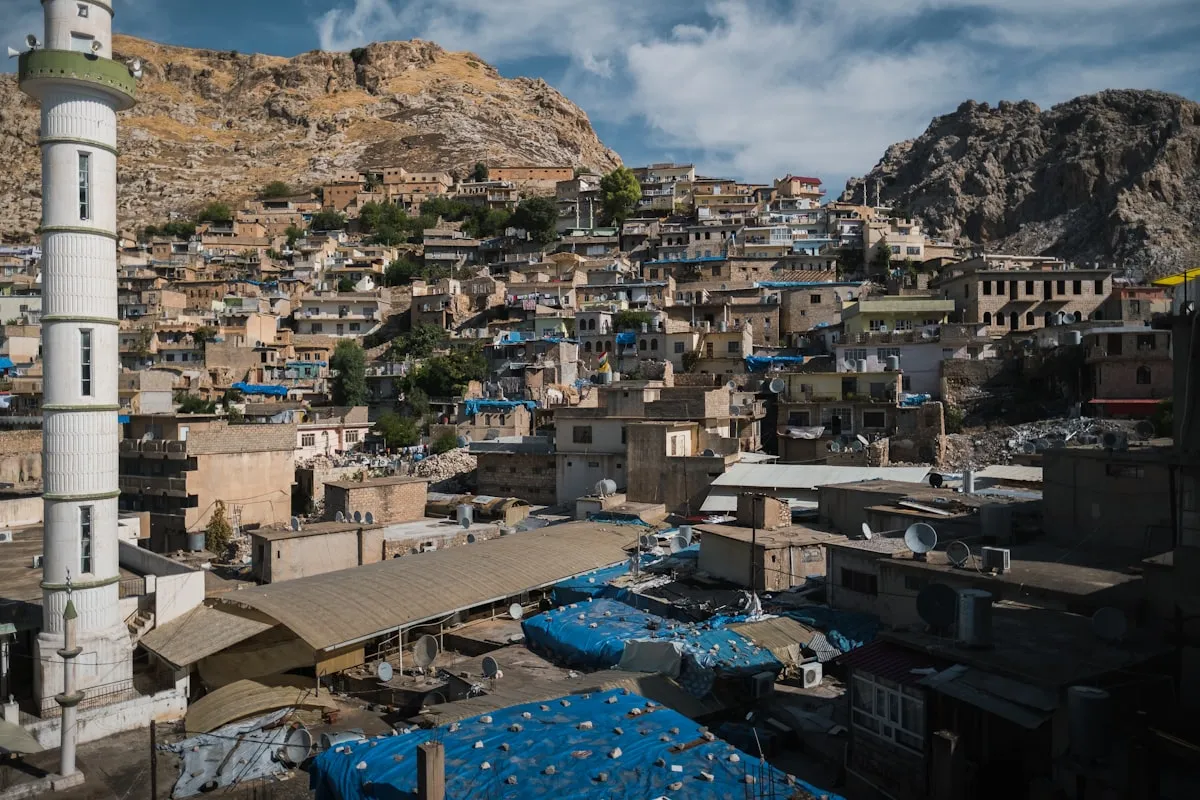
Located on the banks of the Tigris River, Mosul is Iraq's second-largest city and possesses a rich historical heritage. The ruins of Nineveh, one of the important centers of the ancient Assyrian civilization, rise just across from the city. Also an important trade and culture center during the Ottoman Empire period, Mosul was a cosmopolitan city where different ethnic and religious groups lived in peace. Assyrian, Arab, Kurdish, and Turkmen communities lived intertwined here for centuries, forming a rich cultural mosaic.
Unfortunately, Mosul's story in recent years was deeply shaken by ISIS's occupation in 2014 and the subsequent liberation operations. The city suffered merciless destruction; its historic mosques, churches, libraries, and houses were reduced to ruins. However, since its liberation in 2017, Mosul has displayed an incredible spirit of resistance and reconstruction. The city's old bazaars are slowly coming back to life, destroyed bridges are being repaired, and with the support of international organizations like UNESCO, the historical heritage is being rebuilt.
Visiting Mosul means witnessing this story of rebirth. As you wander among the ruins of the Old City, you feel both pain and hope at the same time. The leaning minaret (Al-Hadba) of the Al-Nuri Mosque is being rebuilt, churches are being restored, and local people are struggling to rebuild their lives. Although Mosul is still going through a difficult process today, it gives visitors a powerful message about the resilience of the human spirit. If you are planning to visit here, you should research the current security situation very carefully and move with local guides. Even a single day spent in Mosul will offer you an unforgettable experience.
Basra: Iraq's Port City and Oil Wealth
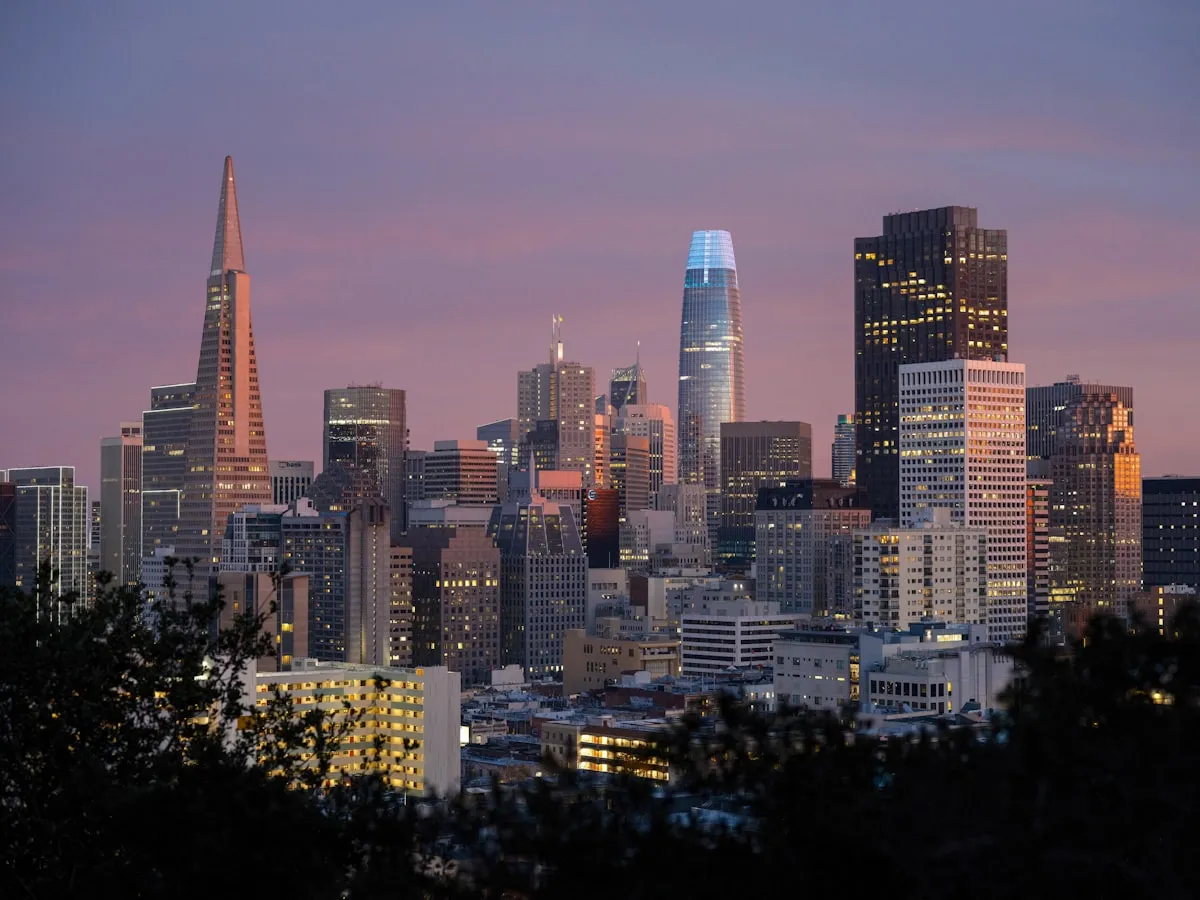
Located in southern Iraq on the banks of the Shatt al-Arab, Basra is the country's most important port city and economic lifeline. Also known as the "Venice of the East," Basra has historically held a strategic position at the point where the Tigris and Euphrates rivers meet, serving as one of the main stops for trade between the Arabian Peninsula and India and the Far East. Believed to be the hometown of the legendary sailor Sinbad, Basra has always fascinated travelers with its canals, palm gardens, and vibrant bazaars.
Today Basra is the heart of Iraq's oil industry. A large portion of the country's oil reserves are located in this region, and the Port of Basra is the main gateway connecting Iraq to world markets. This economic importance has given the city a modern appearance, attracting new infrastructure projects and investments. However, this modernization has also blended with the city's historical fabric and cultural richness.
When you visit Basra, you can take a walk along the banks of the Shatt al-Arab and sip your tea with local people in riverside cafes. Visiting the city's famous palm gardens and tasting some of the world's best dates is a unique experience. The Basra Museum is an important stop that exhibits the city's rich history and cultural heritage. Traditional Basra houses and old bazaars reflect the city's authentic spirit. Basra is a lively and bustling city where you can observe Iraq's economic power and cultural diversity. The 2 days you spend here will offer you both a historical and a modern Basra experience.
Other Important Cities of Iraq and Secrets Waiting to Be Discovered
Iraq is not limited to its major cities; its lands hold many other important centers and secrets waiting to be discovered. These cities generally stand out with their religious, historical, or archaeological significance.
Najaf and Karbala: Located in southern Iraq, Najaf and Karbala are two of the holiest cities of the Shia Islamic world. Najaf hosts the shrine of Imam Ali, while Karbala is where Imam Hussein was martyred. Every year, millions of Shia pilgrims visit these cities on a spiritual journey. These cities are not only religious centers but also possess a rich cultural and architectural heritage. With their gold-domed mosques, intricate tiles, and crowded bazaars, these cities are the clearest examples of Iraq's religious tourism potential. Visitors can delve into the depths of Islamic history and witness the atmosphere of religious rituals here.
Ur and Babylon: For archaeology enthusiasts, Iraq is almost a paradise. The ancient Sumerian city of Ur is considered the birthplace of the Prophet Abraham and stands out with its massive Ziggurat. This ancient structure reveals the power and engineering skills of one of humanity's first great civilizations. Babylon, known for the Code of Hammurabi and the legendary Hanging Gardens, was one of the most impressive cities of the ancient world. Although its ruins have not fully survived to the present day, wandering through the ruins of Babylon means taking an unforgettable journey through the pages of history. These archaeological sites are priceless treasures shedding light on the beginning of human history and form the foundation of Iraq's cultural identity.
These cities show that Iraq is full not only of conflicts but also of deep history, culture, and spirituality. Each one is ready to offer visitors a different perspective and unforgettable memories.
Travel Experience in Iraq: Security, Tips, and Planning with My Travel
Traveling to Iraq is still a subject full of question marks for many travelers. However, although the security situation has visibly improved in recent years, this is still a destination that requires careful planning and preparation. While the Kurdistan Regional Government (KRG) is generally considered safer and more stable than other parts of Iraq, the religious cities in the south of the country and the capital Baghdad have also become visitable with certain precautions. Before your trip, you should definitely check current travel advisories and listen to the advice of local authorities and expert travel agencies like My Travel.
As for practical tips:
- Visa: A visa is required to travel to Iraq. Visa procedures may vary depending on your nationality. A different visa policy generally applies for the KRG. My Travel can guide you through visa processes.
- Security: It is strongly recommended to travel with a reliable local guide, especially in cities like Baghdad and Mosul. Stay away from crowded places and demonstrations. Do not go to unknown areas alone.
- Cultural Sensitivity: Iraq is a country with deep religious and cultural values. Pay attention to your clothing (especially modest clothing for women is preferred), cover your head when visiting religious sites, and ask permission before taking photographs. Be respectful and open-minded in your interactions with local people.
- Currency: The Iraqi Dinar (IQD) is used. While there are currency exchange offices and banks in major cities, cash will be important in smaller places.
- Transportation: Buses or private taxis are generally used for intercity transportation. Traveling by air is a safer and faster option for long distances. Taxis are common within cities, but don't forget to negotiate.
- Accommodation: It is possible to find hotels of international standard in major cities, but options may be limited in smaller cities. It is important to make reservations in advance.
Iraq is not an ordinary holiday destination, but a journey of deep exploration and learning. Every step you take on these lands will open a unique window for you into human history, resistance, and cultural richness. When planning a trip to such a complex and special destination, we at My Travel are happy to be by your side. From your safety to your accommodation, from local guides to visa procedures, we can meticulously plan every detail for you and help you have an unforgettable Iraq experience. For more information and personalized travel plans, you can visit mytravel.tr.
Conclusion
Iraq is much more than the images of conflict and destruction we see on news bulletins. This is the land where humanity took its first steps, where civilizations were born, and where science and art experienced their golden ages. Baghdad's historical fabric, Erbil's modernity, Mosul's struggle for rebirth, and Basra's vibrant trade each reflect Iraq's multifaceted and resilient spirit.
With this guide, I tried to open a window into the historical depths, cultural richness, and current developments of Iraq's cities. Visiting Iraq, despite its difficulties, offers an invaluable experience for any traveler who wants to witness the power of history and the human spirit. I hope this article has sparked your desire to explore these ancient lands. Remember, at My Travel, we are always ready to guide you on this special journey.
Frequently Asked Questions
Is it currently safe to travel to Iraq?
Traveling to Iraq, although it has become safer especially in the Kurdistan Regional Government (KRG) and some southern cities (Najaf, Karbala), is still generally considered a high-risk destination. Although the security situation shows improvements in cities like Baghdad and Mosul, careful planning, following current travel advisories, and traveling with local experts are of great importance. Before traveling, be sure to check the current recommendations of your foreign ministry and the suggestions of expert agencies like My Travel.
What is the best time to visit Iraq?
The best time to visit Iraq is during the spring (March-May) and autumn (September-November) months. During these periods, temperatures are milder and more suitable for travel. Summer months (June-August) can be very hot and stifling, while winter months (December-February) can be cold and rainy in some regions. Especially religious holidays and events can create crowds in cities, so you should take these factors into account when determining your travel date.
Is a visa required to travel to Iraq?
Yes, citizens of most countries, including Turkish citizens, need to obtain a visa to travel to Iraq. Visa procedures and requirements may vary depending on your purpose of travel (tourist, business, religious visit) and which region you will travel to (federal Iraq or the Kurdistan Regional Government). The KRG generally runs its own separate visa application and usually offers the opportunity to obtain a visa at border crossings. For a federal Iraq visa, you need to apply to Iraqi consulates. You can get support from My Travel for current visa information when planning your trip.
What are the basic cultural etiquette rules for visitors in Iraq?
Iraq is a country with a rich Islamic and Arab cultural heritage, so it is important for visitors to respect local etiquette rules. Dressing modestly, especially preferring clothing that covers shoulders and knees for women, and wearing a headscarf at religious sites is common practice. Be careful to use your right hand when eating or handing something over. It is important to ask people for permission when taking photographs and to avoid using flash especially at religious sites. Being patient, respectful, and open-minded in your interactions with local people will enrich your experience.
Frequently Asked Questions
What are Iraq's most important cities?
Iraq's most important cities include the capital Baghdad, Erbil, the center of the Kurdistan Region, historically significant Mosul, the southern port city of Basra, Najaf and Karbala, considered holy by Shia Muslims, and Nasiriyah, home to the ruins of the ancient Sumerian civilization. Each of these cities has a deep-rooted history stretching from Mesopotamia to the present day and its own unique cultural identity.
Is it safe to travel to Iraq in 2026?
As of 2026, some regions of Iraq, especially Kurdistan Region cities like Erbil and Sulaymaniyah and certain districts of Baghdad, are considered relatively safe. However, it is of great importance to follow the current travel advisories of the Ministry of Foreign Affairs, obtain region-specific travel insurance, and move with local guides. It is recommended to carefully review current security reports before planning your trip.
Why is Baghdad so historically important?
Baghdad was founded in 762 AD by the Abbasid Caliph Al-Mansur and quickly became the largest, most populous, and most developed city in the Islamic world. Also known as the "Round City," Baghdad became the center of the Islamic Golden Age in the 8th and 9th centuries, hosting pioneering work worldwide in mathematics, astronomy, medicine, and philosophy. Today, with a population of approximately 8 million, it continues to be Iraq's capital and most populous city.
What should be known about the city of Erbil?
Erbil (Kurdish: Hewlêr) is the capital of the Iraqi Kurdistan Region and is considered one of the oldest continuously inhabited cities in the world. Erbil Citadel, with a history of approximately 6,000 years, is on the UNESCO World Heritage List. In recent years, the city has risen to become Iraq's most developed city thanks to its economic growth, modern infrastructure, and relatively stable security environment. It is one of the region's most attractive destinations in terms of tourism, trade, and investment.
What has changed in Mosul in recent years?
Mosul remained under ISIS control between 2014-2017, during which historical structures, mosques, and infrastructure suffered great destruction. Retaken by Iraqi forces in 2017, the city has seen a comprehensive reconstruction process launched with international support and UNESCO coordination. The restoration of the historic Al-Nuri Mosque and its famous leaning minaret has become a symbol of this process. As of 2026, Mosul continues its struggle for rebirth, both physically and socially, with determination.
Related Articles
My Travel Team
Travel Editor
The My Travel team prepares up-to-date travel, visa and tourism information and guides.