Pyramids and museums in Cairo, temples and royal tombs in Luxor, the Nile and Abu Simbel in Aswan. Here's a step-by-step guide on where to go in Egypt, in what order, and how many days to allocate.
At the top of the list of places to visit in Egypt are Cairo and the Giza pyramids, the Karnak Temple and the Valley of the Kings in Luxor, and the Philae and Abu Simbel temples in Aswan. On a first visit, tour these three stops in order from north to south; if you have time left, add Alexandria or the Red Sea coast. Below is a suggested number of days and a route plan for each stop.
In brief
- On a first visit, build your route in the order of Cairo, Luxor and Aswan, from north to south.
- Allocate at least 7–8 days for the classic route; give Cairo 3 days.
- Doing the Luxor–Aswan leg by Nile cruise and returning to Cairo by plane is the most efficient combination.
- Visas are issued on arrival, allowing a 30-day stay; the e-visa at 25 USD is cheaper than at the border.
- Visit ancient sites early in the morning and plan no more than two major sites per day.
How many days to allocate and in what order to travel
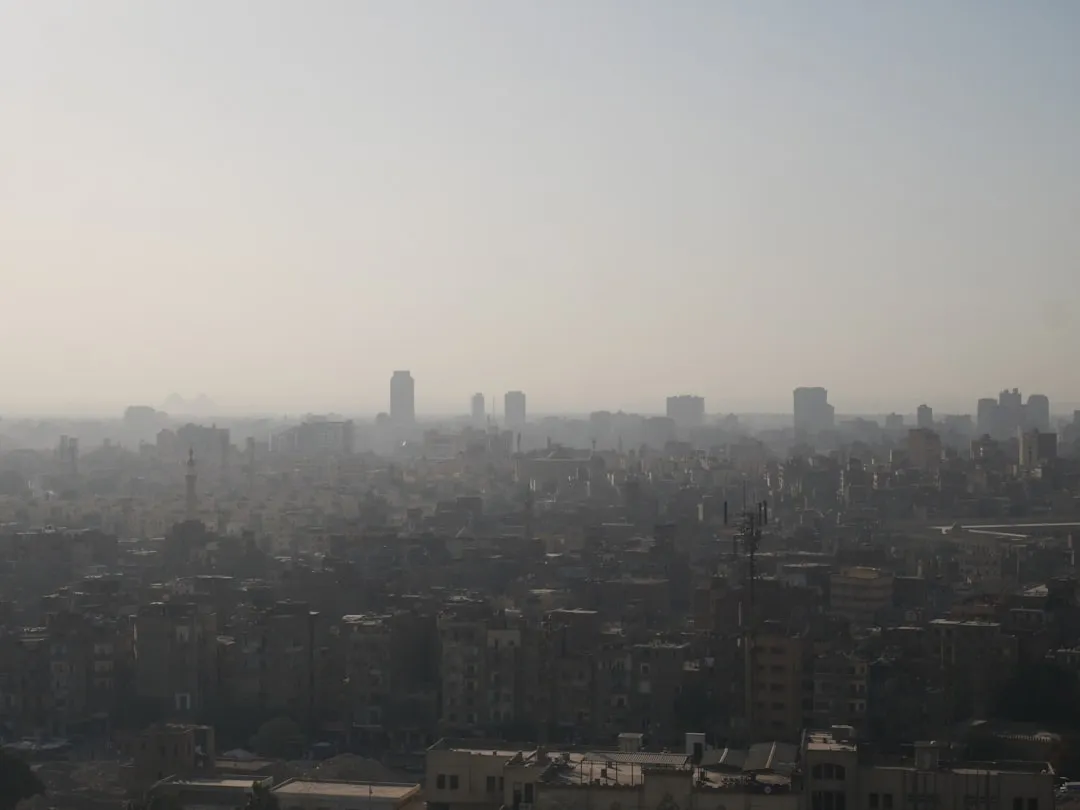
Egypt is a long country, and the main ancient sites are lined up from north to south along the Nile. Planning the route in this order reduces backtracking and wasted transfer days.
Three routes by duration
- 4–5 days: Cairo and Giza only. Enough for the pyramids, museums and the historic bazaar; the right choice for first-timers and those with short leave.
- 7–8 days: Cairo (3 days) + Luxor (2 days) + Aswan (2 days). This is the classic Egypt route, letting you see the most important structures of antiquity together.
- 10–12 days: A day trip to Abu Simbel is added to the classic route, followed by 3–4 days of rest on the Red Sea.
Suggested order
Start in Cairo. Most international flights land here, and seeing the museums first makes it easier to understand what you're seeing at the temples that follow. Then head south, to Luxor and Aswan. On the way back, either fly domestically from Aswan to Cairo or head to the Red Sea coast to finish with a holiday.
Plan the pace too: ancient sites are outdoors and unshaded. Don't schedule more than two major sites per day; spend midday hours at the hotel or in indoor venues. Those who don't want to plan alone can compare ready-made programs by duration and departure city on the Egypt tours page.
Cairo and Giza: pyramids, museums and the historic city
Allocate at least 3 days to Cairo. The city is crowded and traffic is heavy; combining two distant districts in one day wastes time.
Giza Plateau and the Sphinx
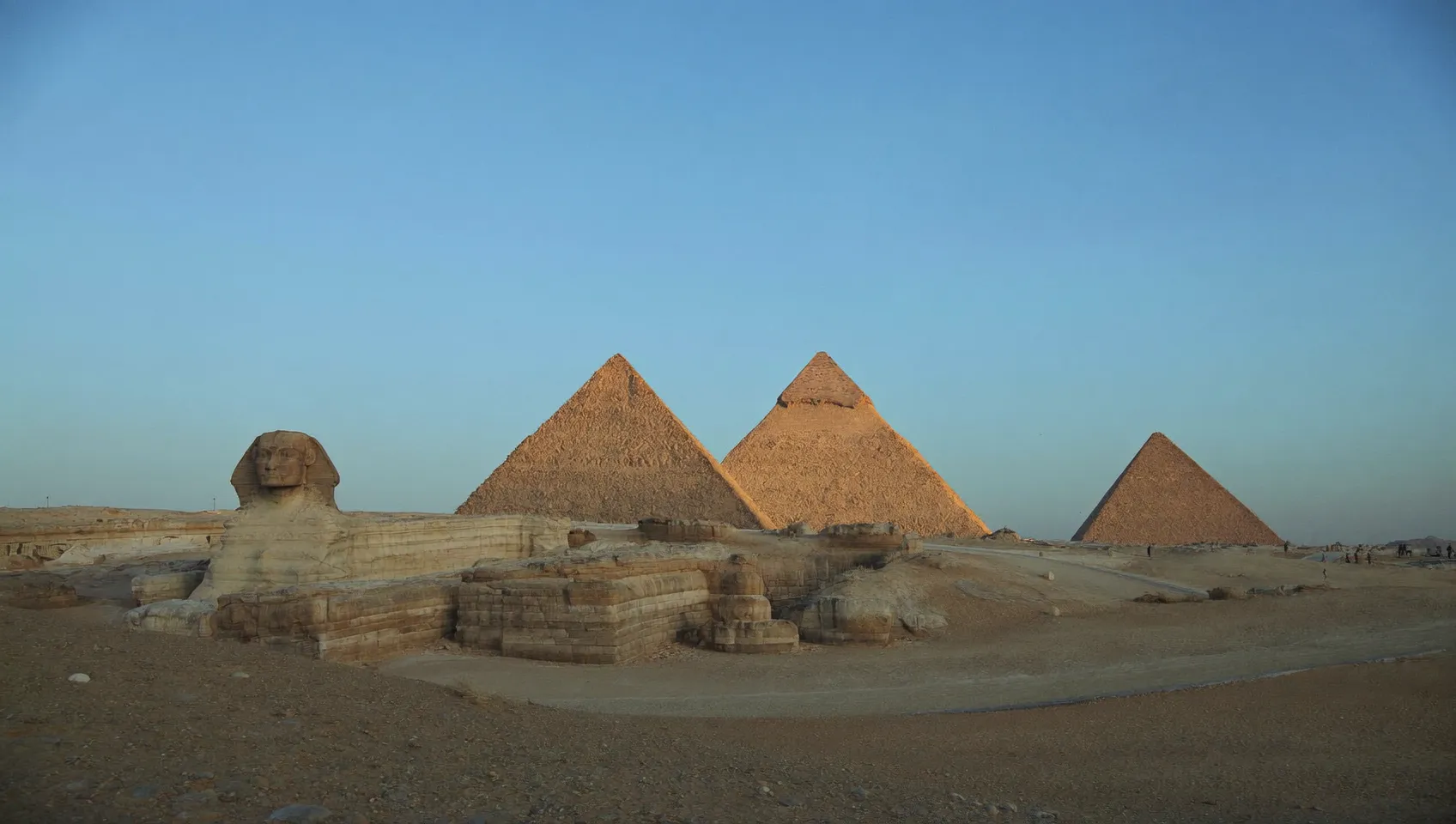
The Great Pyramid, the pyramids of Khafre and Menkaure, and the Sphinx are on the same plateau. Go at opening in the morning; both crowds and heat are lower then. Entering the inside of the pyramid requires an extra ticket and passing through a narrow, steep corridor; those uncomfortable in enclosed spaces should prefer to view it from outside. If you want to reach the panorama point by camel or horse carriage, clarify the price before mounting.
Museums
The Grand Egyptian Museum near the Giza Plateau brings together numerous artifacts including the Tutankhamun collection; allocate half a day to it. The historic Egyptian Museum in Tahrir Square offers a different experience with its classic layout; if your time is limited, prioritize the Grand Egyptian Museum.
Saqqara and Dahshur
Saqqara, home to the Step Pyramid, and Dahshur, home to the Bent and Red pyramids, are quieter than Giza. Both can be visited together in half a day with a private vehicle.
Islamic Cairo and Khan el-Khalili
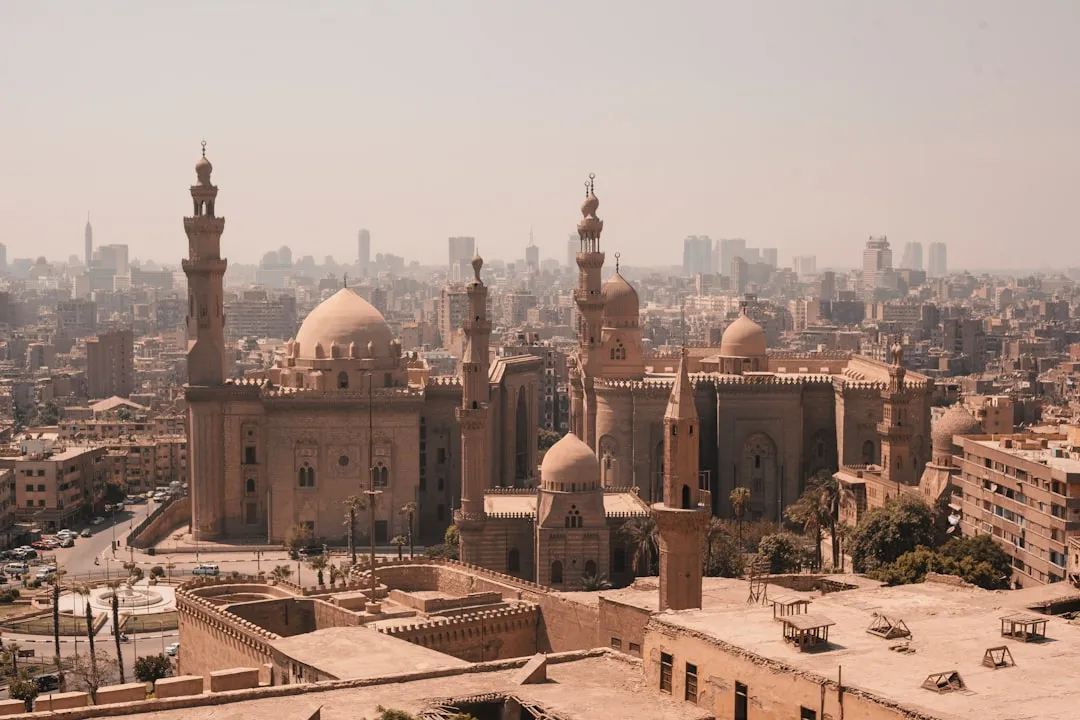
Allocate a day to the Citadel of Saladin, the Mosque of Muhammad Ali, the area around Al-Azhar, and the Khan el-Khalili bazaar. Heading to the bazaar in the late afternoon and having dinner there is a good way to close the day. For those who want to see Cairo with a guide and hotel included, the Cairo Tour / 4 Days - 4* Hotel is a starting program that matches these stops.
Luxor: temples and the Valley of the Kings
Luxor is built over the ancient city of Thebes and is the place with the densest concentration of ancient structures in Egypt. Allocate at least 2 full days here. The Nile divides the city in two: the temples of the living are on the east bank, and the city of the dead is on the west bank.
East bank
- Karnak Temple: Egypt's largest temple complex. Allocate at least 2–3 hours to see the hypostyle hall; go early in the morning.
- Luxor Temple: In the city center. It's more enjoyable to visit when lit up in the evening; plan Karnak for the morning and this one for the evening.
- Luxor Museum: A small but select collection; suitable for the hot midday hours.
West bank
- Valley of the Kings: Rock-cut tombs of the pharaohs. The standard ticket gives entry to a certain number of tombs; tombs such as Tutankhamun's and Seti I's require an extra ticket. Which ones are open changes periodically, so check at the entrance.
- Temple of Hatshepsut: The symbol of the west bank with its terraced structure leaning against the cliffs. There's little shade; go right after the Valley of the Kings, before noon.
- Colossi of Memnon: Two giant statues on the way; a short photo stop is enough.
Balloon tour
Hot air balloon tours over the west bank at sunrise are Luxor's most sought-after activity. These tours depend on weather conditions; schedule them for the first morning of your program so you can move them to the next day if cancelled.
Aswan and Abu Simbel: the calmest side of the Nile
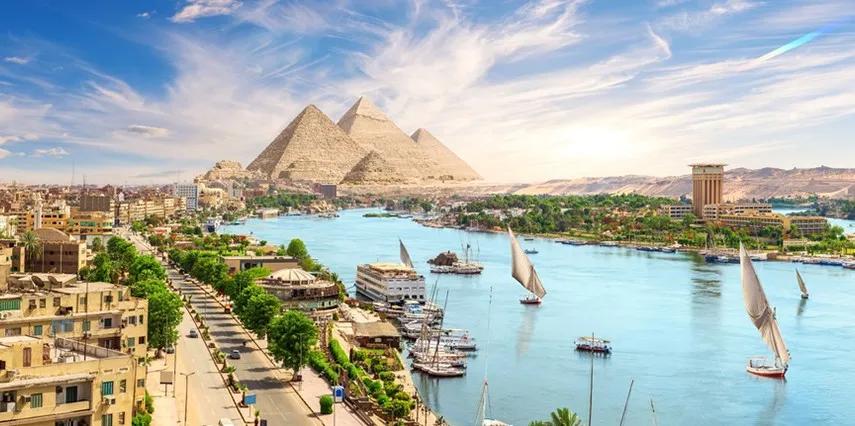
Aswan is calmer than Cairo and Luxor, walkable, and the most beautiful stop in terms of Nile scenery. Allocate 2 days here; add one more day if you want to include Abu Simbel.
Things to see in Aswan
- Philae Temple: A temple dedicated to Isis, relocated and rebuilt on an island to avoid being submerged by the dam waters. Reached by boat; half a day is enough.
- Unfinished Obelisk: A giant obelisk left unfinished in the quarry; a short but instructive stop for understanding ancient stonework.
- Aswan High Dam: Interesting from an engineering rather than a historical perspective; seen on the same trip as Philae.
- Nubian village: On the west bank of the Nile, with colorful houses and a distinct culture. Go by boat in the late afternoon and watch the sunset on the water on the way back.
- Felucca tour: A short tour by traditional sailboat around Elephantine Island and the Botanical Garden, the most relaxing activity in Aswan.
Abu Simbel day trip
The two temples of Ramesses II, carved into the rock, lie south of Aswan near the Sudan border. It requires a long journey by road; groups usually set off after midnight and arrive at the temple early in the morning. If you want to tire less, consider the short domestic flight. Abu Simbel is the pinnacle of the route for temple enthusiasts; those with limited time or unable to handle the long road trip can skip this day and rest in Aswan instead.
Nile cruise, train or plane: transport between Luxor and Aswan
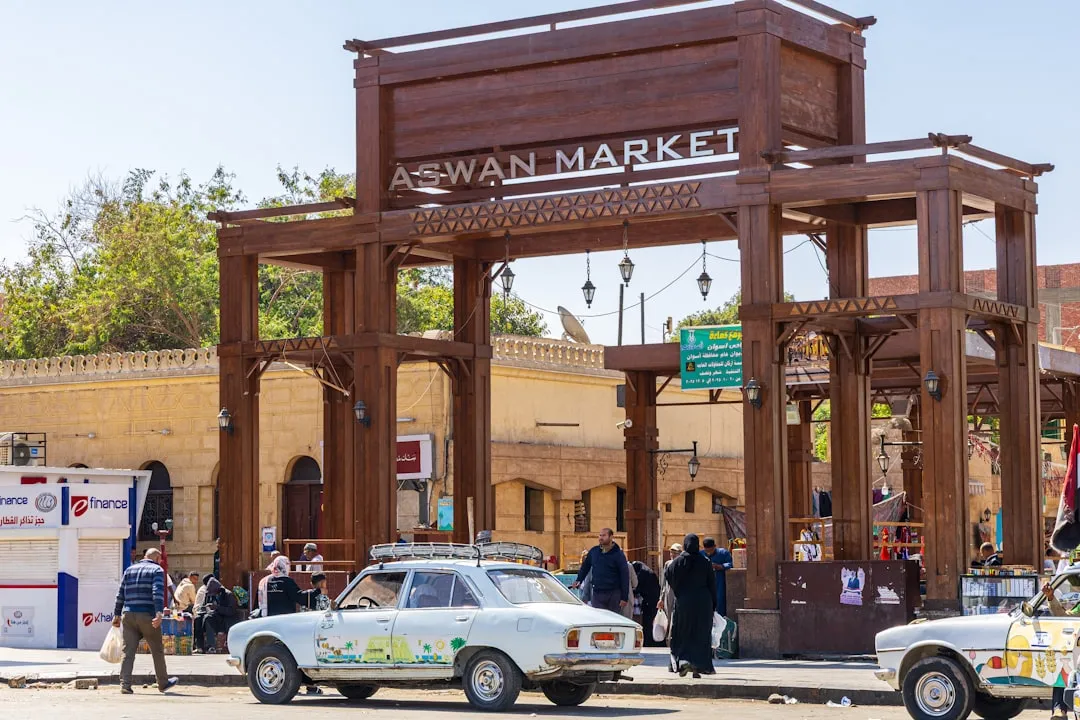
How you move between Cairo and the south, and between Luxor and Aswan, determines the pace of the route. Here's who each of the three options suits:
Nile cruise
Ships operating between Luxor and Aswan make the journey part of the trip. The ship stops at the Edfu and Kom Ombo temples, so you don't need to plan these two temples separately. Accommodation, meals and guided visits are usually included in the package.
- Suited for: First-timers, couples, families and those who don't want to carry luggage.
- Note: The schedule is fixed; there's little flexibility for those who want to spend more time at a temple. Ask about cabin location and deck space when choosing a ship.
Train
On the Cairo–Luxor–Aswan line there are daytime trains and overnight sleeper trains. An overnight train saves a hotel night but sleep quality varies.
- Suited for: Individual travelers, those on a budget and those who want to see local life.
- Note: Buy tickets in advance through official channels; finding seats becomes difficult during busy periods.
Domestic flight
Flying from Cairo to Luxor or Aswan is the fastest way.
- Suited for: Those who want to see the south in under 7 days.
- Suggestion: The most efficient combination is to fly from Cairo to Luxor, do the Luxor–Aswan leg by cruise, and fly back from Aswan to Cairo. This way, no day is spent entirely on the road.
Alexandria and the Red Sea: stops that complete the route
After seeing the ancient sites, you can expand the route in two directions: Alexandria on the Mediterranean coast, or the Red Sea resort towns.
Alexandria
The city founded by Alexander the Great is Egypt's Mediterranean face. It can be visited as a day trip from Cairo, but staying one night is more comfortable.
- Bibliotheca Alexandrina: A modern library and museum complex built in memory of the ancient library.
- Catacombs of Kom el-Shoqafa: Underground tombs blending Egyptian, Greek and Roman motifs.
- Qaitbay Citadel: A citadel built on the site of the ancient lighthouse; combine it with a walk along the coast.
- Pompey's Pillar: A short stop; fits into the same half-day as the catacombs.
Alexandria is suitable for history enthusiasts and those who want to get away from Cairo's crowds for a day.
Red Sea: Sharm El-Sheikh and Hurghada
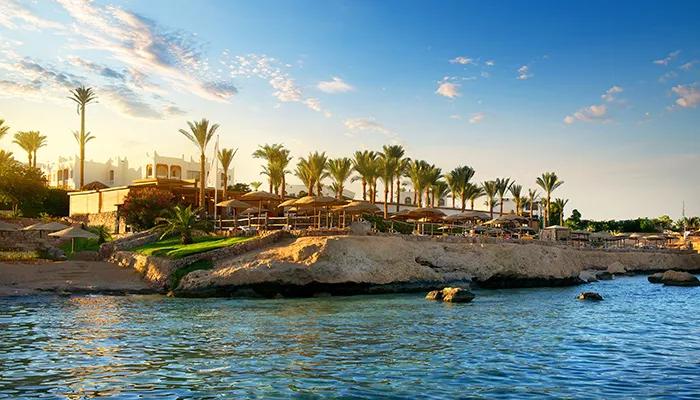
After the pace of pyramids and temples, 3–4 days by the sea balances the route. Sharm El-Sheikh is in the south of the Sinai Peninsula; it's preferred for coral reefs, snorkeling and diving, and the Ras Mohammed National Park is the main stop for boat tours. Hurghada is on the mainland coast; being closer to Luxor by road, it's easier to combine with the temples in the south.
For those who want to see Cairo, Alexandria and Sharm in one program, the Cairo Sharm Alexandria tour departing from Ankara offers this combination in 8 days. Those looking only for a seaside holiday can take a short getaway with the Royal Sharm El Sheikh tour.
Visa, season and practical rules on the ground
Visa
Turkish citizens can enter Egypt with a visa on arrival, with a permitted stay of 30 days. The visa fee is 25 USD with the e-visa, and 30 USD when obtained at the airport border. Getting the e-visa before departure is both cheaper and more practical in terms of avoiding queues at the airport. If you'll get it at the border, keep cash dollars ready. Check the Egypt visa page for passport validity and current conditions before you travel.
When to go
The most comfortable period for touring ancient sites is the cool months stretching from autumn to spring; walking outdoors at midday in Luxor and Aswan becomes difficult in summer. The Red Sea coast, however, is suitable for swimming during most of the year. Ancient sites get crowded during winter holidays and festive periods; book cruises and domestic flights early during these times.
Things to watch out for on the ground
- Clothing: Wear clothing covering shoulders and knees in mosques and religious sites; women should carry a headscarf with them.
- Tipping: Tipping guides, drivers and hotel staff is a common practice; carry small banknotes.
- Bargaining: In bazaars and independent transport, prices are clarified upfront. Using an app-based ride service instead of a taxi reduces disputes.
- Photography: Photography is forbidden or requires an extra ticket in some tomb and museum sections; read the signs at the entrance.
- Water and health: Drink bottled water, be careful with raw salads and iced drinks; always carry sunscreen and a hat.
Frequently asked questions
Where should first-time visitors to Egypt go?
On a first visit, Cairo and the Giza pyramids, the Grand Egyptian Museum, Karnak Temple and the Valley of the Kings in Luxor, and the Philae Temple in Aswan take priority. These stops summarize the country's ancient heritage. Abu Simbel or the Red Sea can be added if time permits.
How many days are enough to tour Egypt?
4–5 days are enough for Cairo and Giza alone. Allocate 7–8 days for the classic route covering Cairo, Luxor and Aswan. If Abu Simbel and rest time on the Red Sea are to be added, 10–12 days is ideal.
Can Turkish citizens enter Egypt without a visa?
No, but Turkish citizens can get a visa on arrival and stay for 30 days. The visa fee is 25 USD with the e-visa, 30 USD at the border. Getting the e-visa before departure reduces both queueing and cost.
Should you choose a cruise or a train between Luxor and Aswan?
For first-timers and those wanting a comfortable program, the Nile cruise is more suitable; along the way you also see the Edfu and Kom Ombo temples. For budget-conscious individual travelers wanting flexibility, the train makes more sense. If you're traveling in a short time, consider the domestic flight.
Is it worth going to Abu Simbel?
For those interested in temples, Abu Simbel is the most impressive stop on the route. However, it requires a long road journey from Aswan starting early at night. Those who don't want the fatigue can choose the short domestic flight or skip this day.
Is it better to tour Egypt with a group tour or independently?
For those with short time, first-timers, and those who don't want to deal with transfers, a tour is more efficient; the guide, tickets and transport are all arranged. Experienced travelers wanting a flexible program can plan independently. If traveling independently, book tickets, trains and cruises in advance.
My Travel Team
Travel Editor
The My Travel team prepares up-to-date travel, visa and tourism information and guides.