
Descend into the heart of the Far East! On this flavor-filled journey from Bangkok to Tokyo, discover Asia's most authentic street food and gastronomic wonders.
A flavor journey into the heart of the Far East is an adventure filled with unique tastes that merge with the lively rhythm of the streets. This guide, stretching from Bangkok's spicy and aromatic street food to Tokyo's refined and meticulous cuisine, will delight your palate, help you experience local culture in its most authentic form, and provide practical information to help you gather unforgettable memories. This geography, promising new discoveries at every corner, is a true gastronomic paradise.
A Flavor Journey in the Heart of the Far East: The Magic of Street Food
One of the first things that comes to mind when the Far East is mentioned is undoubtedly the irresistible aromas and lively atmosphere that fill every corner of its streets. From Bangkok's crowded markets to Tokyo's minimalist back alleys, this region is a true paradise when it comes to street food. According to my years of experience as a My Travel expert, one of the best ways to understand the soul of a country is definitely to try local street food. This is not just a culinary experience, but also a discovery of a culture, history, and way of life.
Far Eastern cuisine has a fascinating diversity, with thousands of years of history, regional differences, and recipes passed down from generation to generation. Street food is the most accessible and authentic representative of this richness. Everything, from noodles cooked in giant wok pans on tiny stalls to carefully prepared skewers and colorful sweets, is a reflection of that moment and that culture. In this guide, I will take you on a flavor journey starting from Bangkok and extending to Tokyo, one that will linger on your palate. Get ready, because on this journey, not just your stomach but also your soul will be satisfied!
Bangkok: The Dance of Spices and the Energy of the Streets
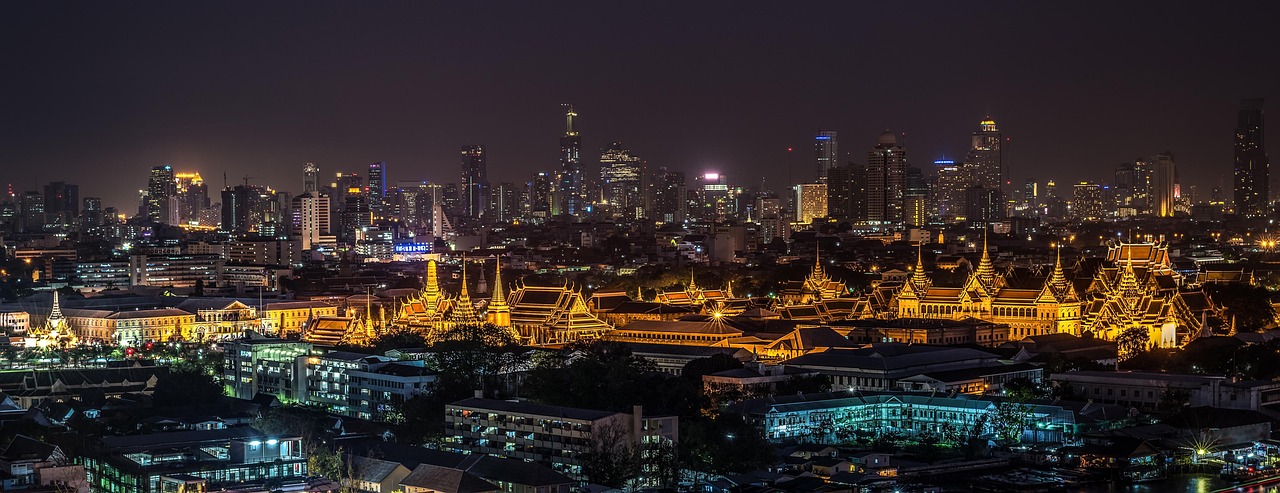
Thailand's capital, Bangkok, is one of the first cities that comes to mind when talking about Far Eastern street food. It is like an open-air restaurant where a different flavor awaits you at every corner. The city's energy, combined with the perfect balance of spicy, sweet, sour, and salty tastes, offers an unforgettable experience. Every time I visit Bangkok, there are countless moments when I feel like a flavor hunter. Especially in the evenings, the streets fill with food stalls, and a feast full of steaming pans, freshly cut fruits, and exotic aromas begins.
Here, eating is not just about filling your stomach, it is also a social activity. Seeing locals sitting on small stools, chatting while eating, is an integral part of this experience. As My Travel, my recommendation is that you explore the street vendors in areas such as Yaowarat (Chinatown) and Sukhumvit. Additionally, large markets such as the Chatuchak Weekend Market or Or Tor Kor Market are great spots to see fresh produce and taste authentic Thai food.
So what should you eat in Bangkok? At the top of the list is, of course, Pad Thai. This rice noodle dish with shrimp or chicken, peanuts, fresh bean sprouts, and lime is the signature dish of Thai cuisine. Another favorite of mine is Som Tam (Green Papaya Salad). This refreshing salad, combining spicy, sour, sweet, and salty notes, is a great choice especially in hot weather. For seafood lovers, Tom Yum Goong (spicy-sour shrimp soup) and Pla Pao (grilled fish cooked in salt) are must-haves. For dessert, Mango Sticky Rice (Khao Niao Mamuang) must be tried; this dessert, prepared with fresh mango slices, sweet sticky rice, and coconut milk, leaves an unforgettable impression on the palate.
Vietnam: The Art of Fresh and Balanced Flavors
One of the pearls of Southeast Asia, Vietnam, is also often talked about for its cuisine. Bearing traces of French colonialism and making ample use of fresh herbs and vegetables, Vietnamese cuisine stands out for its lightness and balance. From the narrow streets of Hanoi to the bustling avenues of Ho Chi Minh City, every corner of Vietnam is full of street food. What impressed me most during my travels in Vietnam was how fresh and vibrant the ingredients used in the dishes were. The plate of fresh herbs that accompanies every meal takes the flavors to another dimension.
Vietnamese street food generally has simple yet complex flavor profiles. Sauces, marinades, and garnishes make each dish special. In Vietnam especially, it matters not only that a dish is delicious, but also that it is nutritious and balanced. That's why almost every dish you see on the streets comes with plenty of greens and vegetables. As My Travel, my recommendation is that you visit local markets and observe how street vendors create wonders with daily fresh produce.
Vietnam's most iconic street food is undoubtedly Phở. This aromatic broth-based noodle soup is usually prepared with beef (Phở Bò) or chicken (Phở Gà) and served with fresh herbs, bean sprouts, and lime slices. Every city, and even every vendor, has their own special Phở recipe. Another legendary flavor is Bánh Mì. This sandwich, made with a French baguette filled with marinated meat (usually pork), pâté, fresh vegetables, pickles, and chili sauce, is both filling and incredibly delicious. On every trip to Vietnam, it is impossible for me to return without eating at least one Bánh Mì. Additionally, Hanoi's own Bún Chả (grilled pork patties with noodles) and Gỏi Cuốn (fresh summer rolls) are also must-tries.
Malaysia and Singapore: A Multicultural Melting Pot of Flavors
If you are looking for unique flavor stops created by the merging of different cultures in Southeast Asia, Malaysia and Singapore are perfect for you. These two countries are like a melting pot of flavors where Malay, Chinese, Indian, and even Western cuisines blend together. Hawker centers and night markets in particular are the best reflection of this cultural diversity. On my trips to these regions, trying dishes from a different culture at every meal was like attending a gastronomy festival.
Malaysia's capital, Kuala Lumpur, and its neighbor Singapore are cities that have turned street food into a way of life. Here, food is accessible at any hour of the day and is incredibly affordable. Hawker centers are large open-air food areas where dozens of different stalls are lined up side by side, each with its own specialty. As My Travel, my recommendation is that you try different stalls at these centers to discover your own favorites and head toward the places preferred by locals.
Among the flavors you must try in Malaysia, Nasi Lemak comes first. This dish, served with rice cooked in coconut milk, spicy sambal sauce, fried anchovies, peanuts, and boiled egg, is Malaysia's national dish and is consumed at any hour of the day. Another legendary flavor is Laksa. This noodle soup, which comes in different varieties, either spicy coconut milk-based or tamarind-based (Assam Laksa), has a rich and deep flavor. Also, Satay (marinated and grilled meat skewers served with peanut sauce) and Char Kway Teow (flat rice noodles stir-fried at high heat in a wok) are also staples of Malaysia's streets.
In Singapore, iconic flavors such as Hainanese Chicken Rice (boiled or fried chicken with aromatic rice) and Chilli Crab (crab cooked in spicy tomato sauce) stand out. Singapore's hawker centers are also quite successful in terms of hygiene and order, which makes your street food experience more comfortable. Places like Lau Pa Sat or Maxwell Food Centre are major spots you should explore.

South Korea: Traditional Tastes with Modern Touches
On our flavor journey through the Far East, we now turn our route to North Asia, to South Korea. Seoul, a dynamic city combining modern skyscrapers with traditional hanok houses, is also quite assertive when it comes to street food. Korean cuisine is generally known for the harmony of spicy, sweet, sour, and salty flavors, and the use of fermented products is quite common. My experiences in Korea showed that street food is not just quick snacks, but also reflects the country's rich culinary heritage.
Korean street food is especially popular among the younger generation and constantly appears in new interpretations. Areas such as Myeongdong, Hongdae, and Namdaemun Market are like open buffets when it comes to street food. In the evenings, these areas overflow with the scents of fried foods, steamed dough dishes, and spicy flavors. As My Travel, my recommendation is to enjoy hot and spicy Korean street food especially during the cold winter months.
One of Korea's most popular street foods is undoubtedly Tteokbokki. Rice cakes cooked in spicy and sweet gochujang sauce, usually served with fish cakes (eomuk) and boiled eggs. This dish is so popular among Koreans that you can find a Tteokbokki vendor on almost every street corner. Another indispensable flavor is Kimchi. Made with fermented cabbage and spices, Kimchi is the cornerstone of Korean cuisine and is served alongside almost every meal.
On the streets, you can also find snacks such as Gyeranppang (egg bread), Hotteok (fried pancakes with sweet filling), and Odeng (fish cake skewers). For those looking for more filling options, Korean Fried Chicken (KFC) and Kimbap (Korean sushi) are great choices. In particular, Korea's barbecue culture can also appear on the streets in mini versions.
Japan: Street Food Turned into Art and Refined Flavors
The final stop on our flavor journey is Japan, the country of order, cleanliness, and perfectionism. From Tokyo's bustling avenues to Kyoto's historic streets, Japanese street food is just as rich and varied as in other Far Eastern countries. However, in Japan, street food culture has a somewhat different approach compared to others. Here, everything is prepared and presented with care down to the smallest detail; it almost becomes an art form. My experiences in Japan showed that it offers a street food experience where hygiene and quality are kept at the highest level.
When you think of street food in Japan, mobile carts may not be the first thing that comes to mind; because here, food is usually served in small shops or in special places called "yatai" (mobile food stalls). However, this does not mean the flavors are any less authentic; on the contrary, deep craftsmanship and tradition lie behind every dish. The street food culture becomes especially evident during festival times or in certain areas (such as Osaka's Dotonbori district). As My Travel, my recommendation is that you visit Tokyo's Tsukiji Outer Market or Ameyoko Market; here you can find everything from fresh seafood to snacks all in one place.
One of Japan's most famous street foods is of course Ramen. Different regions have their own distinctive ramen varieties (for example, Tonkotsu Ramen, Shoyu Ramen, Miso Ramen). Each one is served with carefully prepared broth, fresh noodles, and various garnishes (boiled egg, sliced meat, nori). Another popular street food is Takoyaki. These ball-shaped dough pieces, filled with octopus pieces and cooked in a special mold, are served topped with special sauce and mayonnaise. It is especially one of the symbols of Osaka.
Also, dishes such as Okonomiyaki (Japanese-style savory pancake), Yakitori (grilled chicken skewers), and Taiyaki (fish-shaped waffle with sweet filling) also frequently appear on Japan's streets. Remember that when eating street food in Japan, people generally eat standing up or on stools around small stalls. Seeing that everything is carefully prepared and presented makes this experience even more special.

Tips for Maximizing Your Far Eastern Street Food Experience
The world of Far Eastern street food is truly a fascinating adventure filled with unforgettable memories. However, to make the most of this experience and avoid potential problems, it is important to pay attention to some practical tips. As a My Travel expert, I want to offer a few recommendations based on my own travel experiences to help you:
- Hygiene Comes First: While street food is wonderful, it is important to be careful about hygiene. Prefer stalls that are crowded, preferred by locals, and where food is constantly cooking/turning over. This means the food is fresh and consumed quickly. Pay attention to the overall cleanliness of the stall, the vendor's personal hygiene, and the condition of the equipment used.
- Be Bold, But Don't Overdo It: Trying new flavors is wonderful, but remember that your body may react to spices or foods it is not used to. Start with small portions at first and gradually get used to different tastes. Be careful with spicy foods, especially since the spice level can be quite high in Thai and Korean cuisines.
- Follow the Locals: If you're wondering where to find the best street food in a place, ask the locals or follow the stalls where locals sit the most. They know best which places are both delicious and reliable. Also, getting recommendations from travel experts like My Travel or local guides will be helpful.
- Carry Cash: Most street vendors in the Far East only accept cash. Therefore, carrying small bills and coins with you will make your shopping easier. Also, while bargaining culture is common in some places (especially in markets), fixed prices are usually applied at food stalls.
- Declare Your Allergies: If you have any food allergies (peanuts, seafood, etc.), try to inform the vendors as clearly as possible. Carrying a card explaining your allergy or learning basic words can be helpful.
- Be Open-Minded: Far Eastern cuisine is quite different from Western cuisine. Some foods may seem strange to you at first, but being open-minded and giving different flavors a chance will further enrich this flavor journey. Remember, the best memories are often created when you step outside your comfort zone.
- Watch Your Fluid Intake: Especially in hot and humid climates, make sure to drink enough water. Fresh fruit juices and coconut water, which you can often find on the streets, are both refreshing and nutritious. However, choosing to drink bottled water may be safer in terms of preventing stomach discomfort.
- Slow Down and Savor the Moment: The street food experience is not just about eating. Take time to experience the people, sounds, smells, and general atmosphere around you. This will be one of the most authentic and unforgettable moments of your trip.
With these tips, you can confidently and joyfully explore the world of Far Eastern street food. If you need help discovering these flavor stops in your travel plans, we at My Travel (mytravel.tr) would be happy to create custom travel itineraries for you and help you find the best local experiences.
Conclusion: Not the End of a Flavor Adventure, But the Beginning
We have reached the end of this delightful journey from Bangkok to Tokyo with our Far Eastern street food guide. But this is actually not an end, it is the beginning of your own flavor adventure. Every city, every street, every stall offers its own unique story and flavor. These experiences will enrich not only your palate but also your worldview.
Far Eastern street food is much more than just a meal; it is a cultural ritual, a social bond, and a way of life. From the dance of spices to the freshness of herbs, from the burn of heat to the comfort of sweetness, this geography promises you an unforgettable sensory feast. As My Travel, we encourage you to experience this unique journey and are honored to guide you as you open the doors to this magical world. Pack your bags, and most importantly, your appetite, because the streets of the Far East await you!
Frequently Asked Questions
Is it safe to eat street food in the Far East?
Yes, it is generally safe, but it is good to take some precautions. Choose stalls preferred by locals, that are crowded, and where food is constantly cooking/turning over. Pay attention to the overall cleanliness of the stall and the vendor's hygiene. Drinking bottled water and being careful about selecting raw vegetables/fruits can also help prevent stomach discomfort.
Can I find vegetarian/vegan options?
Yes, it is possible to find vegetarian and vegan options in Far Eastern cuisine, but communication may be difficult in some languages. In Thailand, you can use the words "jay" (vegan) or "mang sa wirat" (vegetarian). In Vietnam, "chay" (vegan/vegetarian) is common. Vegetable noodles, rice dishes, and tofu-based options are generally available. It is helpful to ask whether meat or fish sauce is used when ordering.
How much does street food cost?
Street food in the Far East is generally quite affordable. You can expect to pay an average of 1-5 USD (varies by country and city) for a main dish. Prices are more affordable in countries like Thailand and Vietnam, while they may be slightly higher in Singapore and Japan. This is a great option for budget travelers.
How should I order street food?
While most street vendors understand basic English, communication can be difficult in some places. Knowing the name of the dish, pointing to pictures on the menu, or pointing to other customers' plates is the best way. Also, carrying a small note stating your allergies or special requests (e.g., "no spicy") or using apps like Google Translate will make things easier.
Frequently Asked Questions
What are the must-try street foods in Bangkok?
Must-try street foods in Bangkok include Pad Thai (stir-fried rice noodles), Tom Yum Goong (spicy shrimp soup), Mango Sticky Rice (sticky rice with mango dessert), Som Tam (green papaya salad), and Khao Man Gai (boiled chicken with rice). You can find these flavors at affordable prices of 30-80 Baht (approximately 25-70 TL) at street stalls around Chatuchak Market, Yaowarat (Chinatown), and Khao San Road.
Where to eat street food in Tokyo, which are the best areas?
The best areas for a street food experience in Tokyo are: Nakamise Shopping Street in Asakusa (for ningyo-yaki and melonpan), Takeshita Street in Shibuya and Harajuku (for crepes and colorful sweets), Tsukiji Outer Market (for fresh sushi and seafood), and Omoide Yokocho, the narrow streets of Shinjuku (for grilled chicken skewers). Street food in Tokyo generally ranges between 300-800 Yen (70-190 TL).
What is the best time for a food tour in the Far East?
The most ideal period for a food tour in the Far East is between October and April. For Bangkok, the cool and dry season between November and February is the most comfortable time to travel; during this period, open-air markets and street stalls operate at full capacity. For Tokyo, the periods of March-April (cherry blossom festivals and special seasonal dishes) and October-November (autumn festivals) offer the richest experience both in terms of weather and gastronomy. During the summer months (June-August), the open-air food experience can be difficult in both cities due to high humidity and temperature.
Is Asian street food safe, what should be considered?
Asian street food is generally safe; however, it is important to pay attention to some basic rules: Prefer crowded stalls, as high customer traffic indicates the ingredients are kept fresh. Choose stalls where the food is cooked in front of you. Use bottled water and be careful about ice. Consume fruits and vegetables peeled or cooked. In Bangkok, areas known for being tourist-friendly, such as Yaowarat and Or Tor Kor Market, are more reliable in terms of hygiene standards. Make sure your travel insurance includes overseas health coverage.
What are the main differences between Bangkok and Tokyo's food cultures?
The food cultures of Bangkok and Tokyo are quite different from each other. Bangkok cuisine stands out with its intense use of spices, sour-sweet-spicy balances, the social tradition of eating at open-air stalls, and affordable prices. An average meal can be had for 1-5 USD. Tokyo cuisine, on the other hand, is shaped by minimalism, presentation aesthetics, the balance of umami (the fifth taste), and the concept of seasonality (shun); an average meal ranges between 5-15 USD. While street food is an integral part of daily life in Bangkok, in Tokyo street food is more associated with festivals and special areas. Both cities are recognized destinations within the UNESCO Creative Cities Network in the Gastronomy category.
Related Posts
My Travel Team
Travel Editor
The My Travel team prepares up-to-date travel, visa and tourism information and guides.