From Berlin to Bavaria, from the Rhine Valley to the Black Forest, places to visit in Germany. How many days to allocate to each region, in what order to visit, group tour or independent travel, when to apply for a visa?
Germany's top places to visit include Berlin, Munich, Cologne, Hamburg, Dresden, the Rhine Valley and the Black Forest. For first-time visitors, the most efficient route is the Berlin and Munich duo or the Cologne and Rhine line. Below you'll find how many days you should allocate to each region, in what order to visit them, and what you need to know about the Schengen visa.
In brief
- For trips shorter than a week, pick a single region; combine two regions on 7–8 day routes.
- For a first trip, the Berlin and Munich duo, and for the west, Cologne and the Rhine Valley, are the most balanced options.
- Plan your Schengen application at least 2 months before travel; processing can extend to 45 days.
- Register for the Reichstag dome in advance; it's recommended to get tickets for Neuschwanstein and Miniatur Wunderland ahead of time.
- If you'll be visiting more than one country, consider 8-day tours covering Benelux and France.
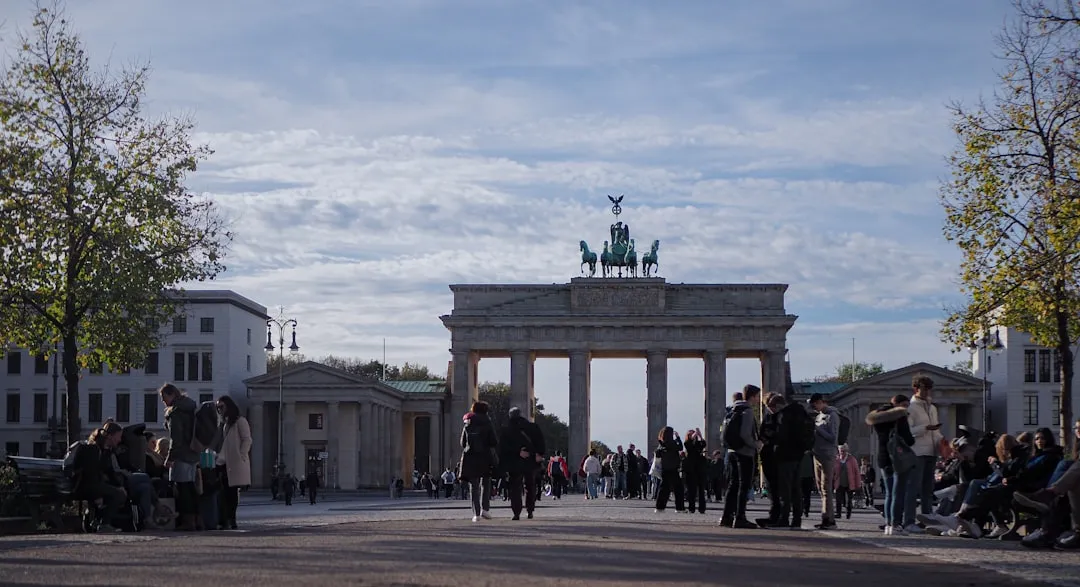
Build your route based on the number of days
Germany is a vast country, and each region has a different character. Trying to see everywhere in one trip means spending your days on trains. First decide how many days you have, then decide which region to choose.
Recommendations by number of days
- 4–5 days: Choose a single region. Either Berlin, or Munich and its surroundings, or Cologne and the Rhine Valley. Don't change cities, or change at most once.
- 7–8 days: Combine two regions. The most balanced combinations are Berlin with Dresden, or Munich with the Black Forest and Heidelberg line.
- 10 days or more: Draw a line from north to south: Hamburg, Berlin, Dresden, Munich. Leave the west for a separate trip.
Which route suits whom
- History and museum-focused traveller: Berlin and Dresden.
- Looking for nature, castles and small towns: Bavaria, the Black Forest and the Rhine Valley.
- Wanting to see more than one country: Package tours combining Germany with Benelux and France.
Things to consider when building a route
An open-jaw flight, meaning landing in one city and departing from another, eliminates the return journey and usually saves a day. Plan to change accommodation every two or three nights; changing hotels every night is exhausting and wastes your morning packing your bags.
If you want to see more than one region in a shorter time, you can compare guided options on the Germany tours page. Before deciding, fit the visa application into your calendar; we've covered this in detail in the final section of the guide.
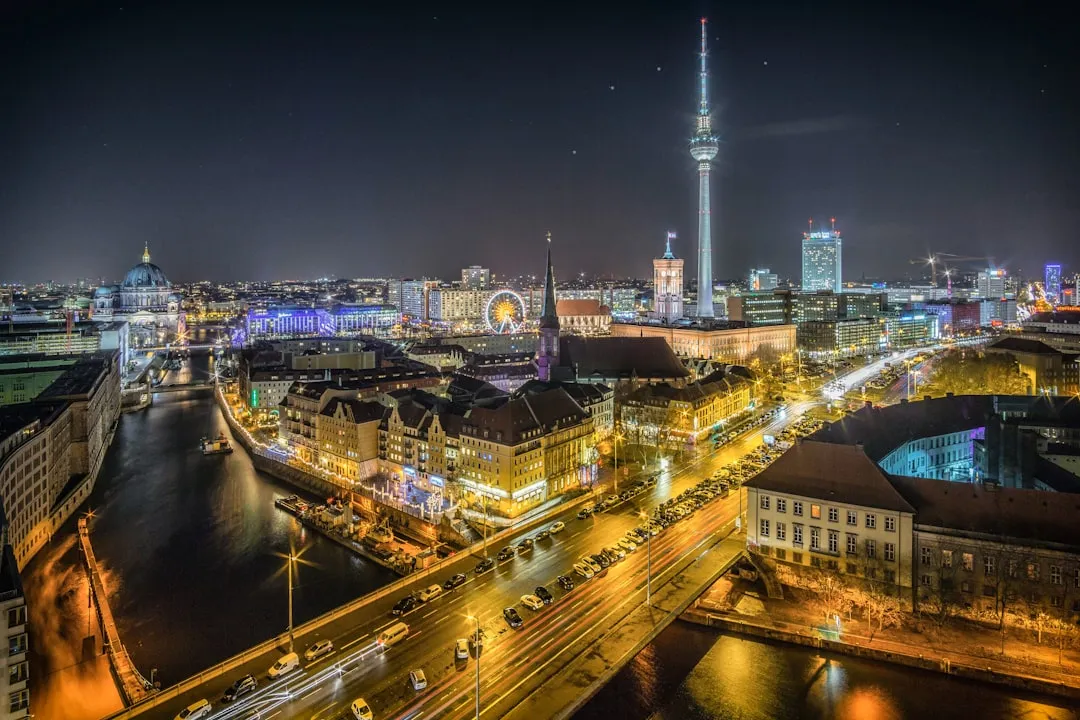
Berlin: at least 3 days for the first stop
Berlin is the city where you'll feel Germany's recent history most intensely. Since the sites here are scattered, dividing your visit by neighbourhood saves time. Allocate at least 3 days to Berlin; if you're a museum enthusiast, plan for 4 days.
Day-by-day Berlin plan
- Day 1 – Historic centre: Brandenburg Gate, the Reichstag building, the Holocaust Memorial and Unter den Linden avenue. Since they're all within walking distance, spend the day on foot.
- Day 2 – Museum Island: The Neues Museum, Altes Museum and Alte Nationalgalerie are all on the same island. The Pergamon Museum is closed for extensive restoration; check the museum's official website before going to see whether a section has reopened. Don't try to visit all of them; choose the two museums that interest you.
- Day 3 – Cold War traces: East Side Gallery, Checkpoint Charlie and the wall memorial area on Bernauer Strasse. Spend the evening in Kreuzberg or Friedrichshain.
Practical tips
Advance registration is required to enter the Reichstag dome; book a slot on the official website before your visit date. Public transport is often the fastest option within the city; getting a day pass or multi-day card is more practical than buying individual tickets.
For accommodation, choose the Mitte district; you can reach most of the main sights on foot or with a single transit line. If nightlife is a priority, Kreuzberg is more suitable.
Who it suits: For those seeking history, contemporary art and city culture, Berlin is a journey in its own right. If you're looking for nature and small-town scenery, keep Berlin short and focus more on the south.
Munich and Bavaria: city, castles and Alpine views
The beer gardens, traditional costumes and fairy-tale castles that come to mind when thinking of Germany largely belong to Bavaria. Using Munich as a base and seeing the region through day trips is the most efficient method. Allocate a total of 3–4 days to Munich and its surroundings.
What to see in Munich
- Marienplatz and the New Town Hall: The heart of the city centre; start your visit here.
- Viktualienmarkt: An open-air market suitable for local products and a light lunch.
- Englischer Garten: The city's large park; allocate half a day for a walk and a beer garden break.
- Nymphenburg Palace and BMW Welt: Allocate half a day to each; don't schedule both on the same day.
Day trips
- Neuschwanstein Castle: One of Bavaria's most visited sites. It's recommended to buy tickets in advance; during busy periods, finding availability at the ticket office can become difficult. Allocate a full day.
- Salzburg: Right on the other side of the border. With a uniform-type Schengen visa, you can also enter Austria; if your visa is territorially restricted, check its validity area.
- Dachau Memorial Site: A half-day visit for those interested in recent history.
Timing
During Oktoberfest, finding a hotel in Munich becomes difficult and accommodation tends to become more expensive. If you're not specifically going for the festival, skip this period. In winter, Christmas markets turn Bavarian towns into a separate reason to visit.
Combining Munich with the Black Forest and Heidelberg gives you a balanced 7–8 day southern route.
Cologne, Frankfurt and the Rhine Valley
Western Germany, with its cities lined up along the Rhine River and its vineyard slopes, forms a separate route. This line is the most suitable region to combine with the Benelux countries. Allocate 3 days to Cologne and the Rhine Valley.
Cologne
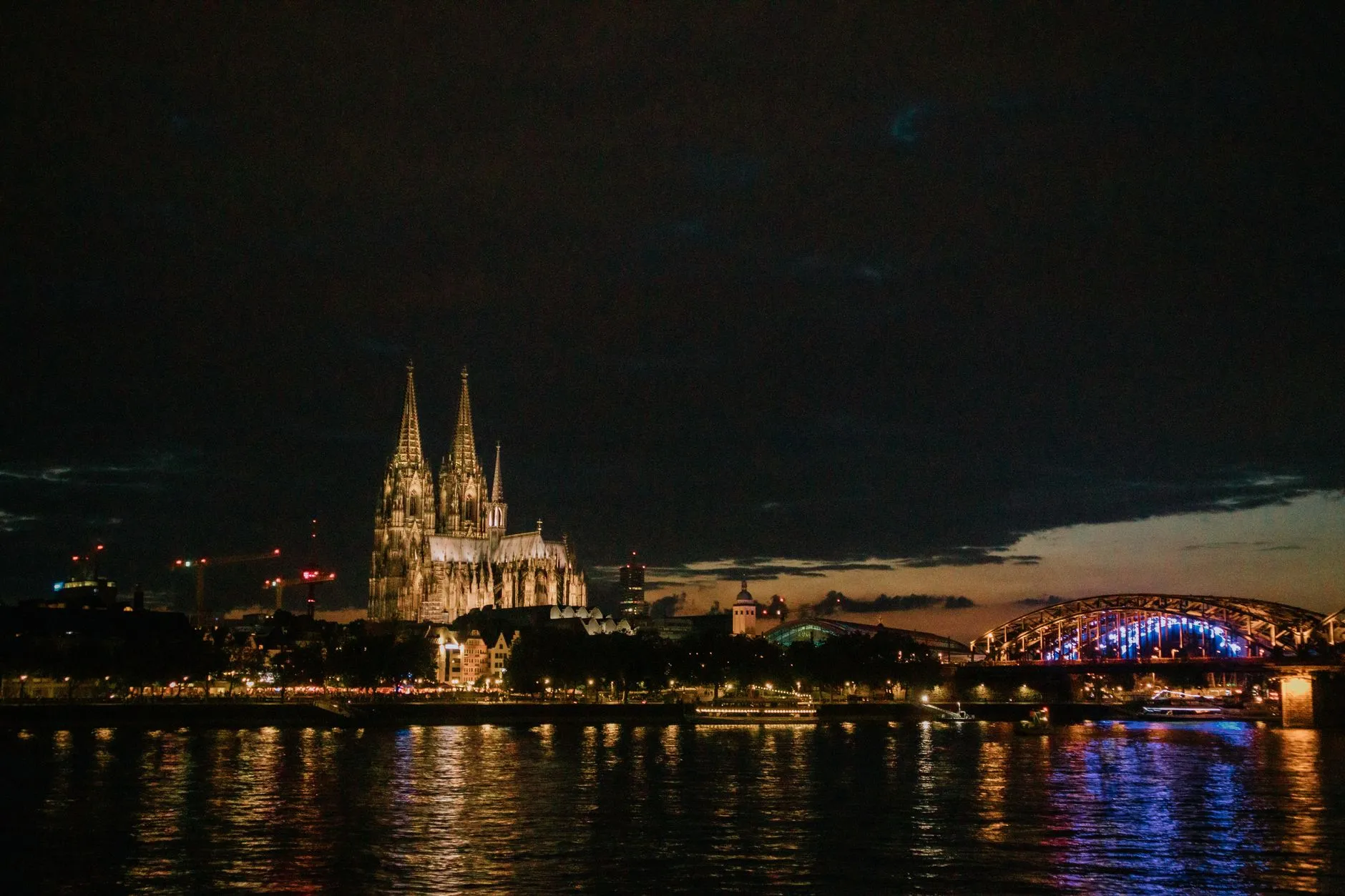
The city's landmark, Cologne Cathedral, is right next to the train station; you can see the cathedral as soon as you step off the train. Climbing its tower requires good fitness. After the cathedral, walk through the old town along the riverbank and add the Ludwig Museum to your itinerary. One full day in Cologne is enough for most travellers.
The Rhine Valley
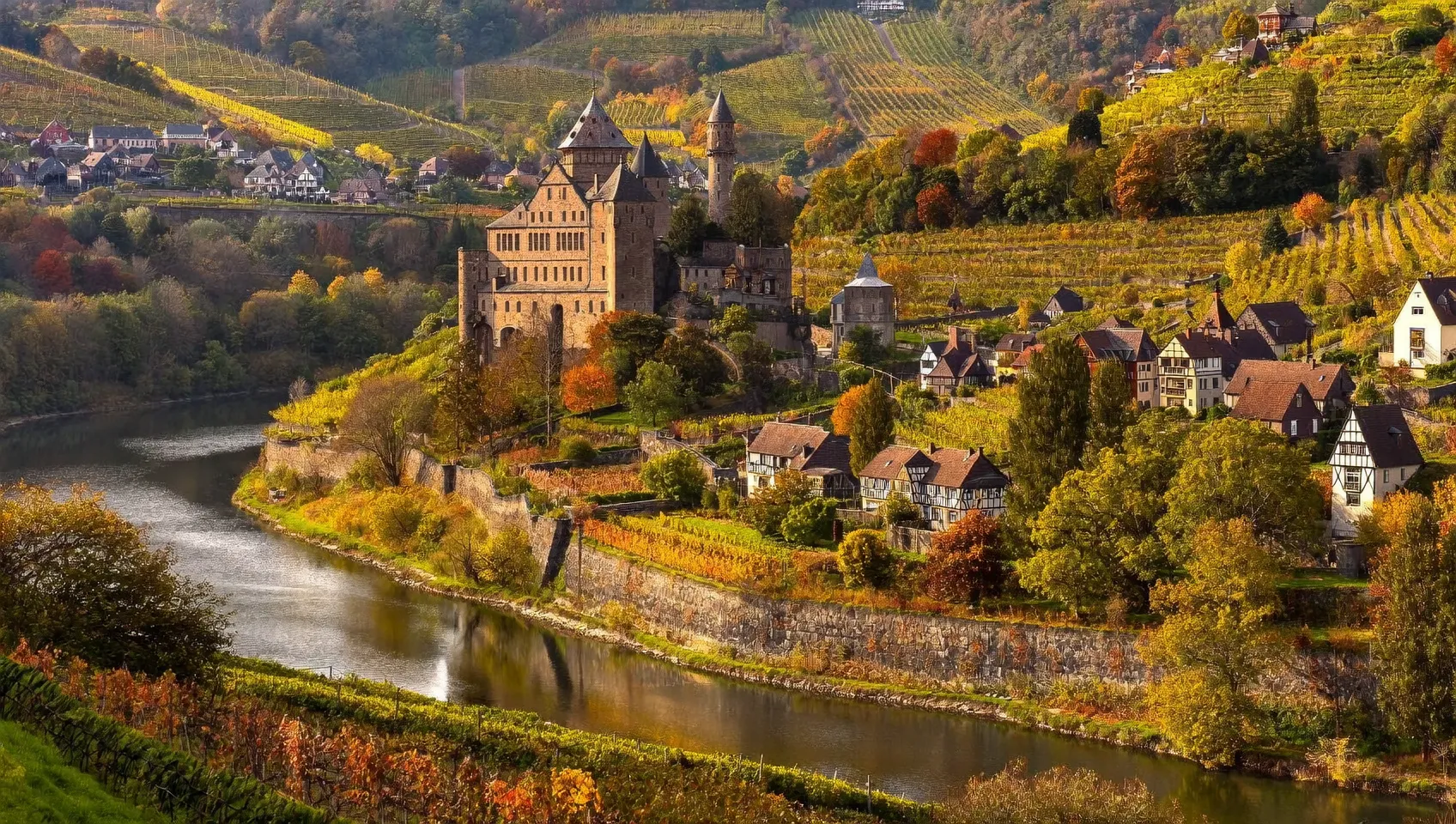
The section of the Rhine between Koblenz and Bingen is the most photogenic part of the region, with castles and vineyard villages. The most enjoyable way to see this section is by river boat. Suggested order:
- See the Deutsches Eck in Koblenz in the morning.
- Continue along the river by boat; the Loreley rock and the castles along the shore are the highlights of the route.
- Spend the night in a small town like Bacharach or Rüdesheim.
Frankfurt
Frankfurt is the entry gateway for most travellers. Half a day is enough for the Römerberg square and the museums along the riverbank; use the city as the start or end point of your route.
River cruise alternative
If you want to see several cities along the Rhine without repacking your bag at every stop, river cruise tours are a sensible option. Since duration, departure city and accommodation arrangements vary by tour, compare current programmes on the Germany tours page.
Hamburg and the north: 2 days for the port city
Hamburg has an entirely different atmosphere from southern Germany: canals, brick warehouses and the vibrancy of a port city. On a first trip to Germany, most people skip the north; consider it for a second visit or as an addition to Berlin. Allocate 2 days to Hamburg.
What to see in Hamburg
- Speicherstadt: A historic warehouse district built over canals. Save it for the end of the day to see it illuminated in the evening.
- Elbphilharmonie: The public terrace of the concert hall offers views of the port and the city; you can access the terrace even without a concert ticket.
- Miniatur Wunderland: One of the world's largest model railway exhibitions. Put it at the top of the list for families with children; it's recommended to buy tickets in advance, especially on weekends and during holiday periods.
- Port tour: A boat trip around the harbour is the best way to understand the city's commercial side.
- St. Pauli and Reeperbahn: For nightlife; not suitable for those travelling with family.
Combining with Berlin
There's a direct train connection between Hamburg and Berlin, making it easy to combine the two cities in the same trip. For a 5–6 day northern route, give 3–4 days to Berlin and 2 days to Hamburg.
Who it suits: Hamburg is a good choice for those interested in maritime culture, architecture and city life. If you're looking for fairy-tale towns and castles, it's more sensible to allocate your time to the south. Keep in mind that weather in the north is more changeable, and bring a raincoat.
Dresden and eastern Germany
Dresden, with its baroque architecture and silhouette along the Elbe, is one of eastern Germany's most impressive cities. Since it's easily reached from Berlin, combining the two cities makes sense. Allocate 1–2 days to Dresden.
What to see in Dresden
- Frauenkirche: A church destroyed in the war and rebuilt; the symbol of the city.
- Zwinger Palace: Its gardens and the Old Masters Picture Gallery inside require half a day.
- Semperoper and Brühl's Terrace: View the opera house from outside, then walk along the terrace by the riverbank.
- New town (Neustadt): Cross to the other side of the river for dinner and cafés.
Surroundings
The rock formations known as Saxon Switzerland, especially the Bastei bridge, are a day-trip option for nature lovers. Bring hiking shoes. Meissen, known for porcelain production, can also be a half-day addition.
Adding Leipzig
Leipzig is an interesting city with its musical history and lively student culture, but on a short trip Dresden offers more. On an eastern route of 8 days or more, you can give 1 day to Leipzig.
Suggested eastern route
3 days in Berlin, 2 days in Dresden, then a day trip to Saxon Switzerland. This combination balances history and nature within the same week. Planning the return via Dresden or Prague instead of Berlin shortens the return journey.
The Black Forest and Heidelberg
Southwestern Germany offers a calm route with its forested hills, cuckoo clocks and university towns. A good balance point for those tired of a fast-paced city tour. Allocate 3 days together to the Black Forest and Heidelberg.
Heidelberg
This university city on the banks of the Neckar River is known for its castle ruins and old bridge. Suggested order:
- Go up to the castle in the morning by funicular or on foot.
- Walk along Hauptstrasse in the old town in the afternoon.
- End the day with the view from the Philosophers' Walk on the opposite side of the river.
One day is enough for Heidelberg; you can also visit as a day trip from Frankfurt.
The Black Forest
Choose Freiburg as the centre of the region; it's a lively student city with a wide range of accommodation options. From here you can take day trips to see:
- Titisee: Walking and boating by the lakeside.
- Triberg: Waterfalls and cuckoo clock workshops.
- Gengenbach and Schiltach: Small towns with half-timbered houses.
You can also allocate half a day to Baden-Baden's thermal baths and spa culture.
Transport recommendation
Renting a car is more flexible than public transport for seeing the Black Forest's small towns. If you don't want to drive, stay in Freiburg and use regional trains.
Who it suits: For couples and families seeking hiking, small towns and a slow pace, this region, combined with Munich, forms a complete southern route.
Tour or independent travel?
Germany is a country well suited to independent travel: the train network is extensive and signage is clear. Still, if you want to see more than one country in a short time or don't want to deal with planning, a package tour is more practical.
Who independent travel suits
- Those who will focus on a single region and stay in one city for several days.
- Those who want to set museum and activity hours at their own pace.
- Those planning to drive around in rural regions like the Black Forest.
Who a package tour suits
- Those who want to see Germany together with neighbouring countries.
- Those travelling to Europe for the first time who want to handle transport, hotel and guide matters all at once.
- Those who want to have the tour programme and reservation documents ready for the visa application.
Multi-country tours on sale
8-day tours combining Germany with Benelux and France are the most common option for those seeing Europe for the first time. Dolu Dolu Benelux & France & Germany Tour, Super Promo Benelux & France & Germany Tour and the Firsat Benelux & France & Germany Tour, which includes extra tours in the package, fall into this group. If you want to add Switzerland to the route as well, check out the Görkemli Dörtlü Benelux & France & Germany & Switzerland tour, which flies with THY.
When making your choice
Check which cities in Germany the tour programme covers and how many nights are spent there; in multi-country tours, the Germany leg is often kept short. If you want to see Germany in depth, independent travel is the right choice; if you want to see a cross-section of Europe, a package tour is more appropriate.
Schengen visa and application calendar
Turkish citizens require a Schengen visa to enter Germany. Plan your visa before your route; arrange your flight and hotel reservations according to the visa calendar.
Basic information
- Visa type: Schengen visa.
- Permitted stay: A maximum of 90 days within any 180-day period.
- Processing time: Standard 15 days; can extend up to 45 days.
- Visa fee: €90.
Application timing
Taking into account that processing can extend to 45 days, plan your application at least 2 months before travel. Since finding an appointment can become difficult during summer and autumn, factor the appointment date into this calculation as well.
Which country to apply to
If you'll be visiting more than one Schengen country, the general rule is to apply to the country where you'll stay the longest. If the stay durations are equal, the country of first entry is taken as the basis. In a multi-country tour, if you're not spending the longest time in Germany, the application may be made to another country; confirm with your tour operator which consulate to apply to.
Current document list
Since the required documents and appointment process can change, check the Germany visa page before applying. We've covered in the Schengen trusted traveller formula article how your chances of getting a long-term visa improve if you've previously obtained a Schengen visa and complied with its rules.
Practical tip
Don't purchase non-refundable tickets before the visa is approved. Use cancellable hotel reservations and travel health insurance for your application.
Frequently asked questions
Which cities should first-time visitors to Germany see?
For a first trip, Berlin and Munich are the most balanced duo; one represents recent history and city culture, the other represents Bavaria and its castles. If you prefer the west, Cologne and the Rhine Valley are a good alternative. We recommend not spreading across more than two regions in less than a week.
How many days are enough for a trip to Germany?
4–5 days for a single region, and 7–8 days to combine two regions, is enough for most travellers. Allocate at least 10 days for a route covering Hamburg, Berlin, Dresden and Munich from north to south.
Do Turkish citizens need a visa for Germany?
Yes, Turkish citizens need a Schengen visa to enter Germany. The visa fee is €90, and the processing time is standard 15 days but can extend to 45 days. Check the Germany visa page for the current document list.
How many days can I stay in Germany with a Schengen visa?
With a Schengen visa, you can stay a maximum of 90 days within any 180-day period. The validity dates and stay entitlement written on your visa are determined within this general rule.
Do I need to buy tickets for Neuschwanstein Castle in advance?
Since finding availability at the ticket office can become difficult during busy periods, it's recommended to buy your ticket in advance. It can be visited as a day trip from Munich; allocate a full day for transport and the visit to be comfortable.
Is the Pergamon Museum open in Berlin?
The Pergamon Museum is closed for extensive restoration. Check the museum's official website for the current status before going; the Neues Museum, Altes Museum and Alte Nationalgalerie on Museum Island are visitable alternatives.
Is it more sensible to see Germany on a tour or independently?
If you'll focus on a single region, independent travel offers a more flexible and in-depth programme. If you want to see Germany together with Benelux, France or Switzerland in a short time, a package tour simplifies transport and accommodation planning.
My Travel Team
Travel Editor
The My Travel team prepares up-to-date travel, visa and tourism information and guides.