Compare the best months, routes and visa calendar for island holidays, city breaks and winter getaways in one page.
The short answer to when to visit Greece is: June–September for island holidays, and April–May plus September–October for city and ancient site tours. July–August is the busiest period, November–March the quietest. Below you'll find the months, routes and visa calendar in order.
In short
- Choose June–September for island holidays, and April–May or September–October for city and ancient site tours.
- If you want just one month, pick mid-September to early October; the sea is still warm and crowds are low.
- Go for city trips in winter; ferry services and hotel operations decrease on the islands.
- A Schengen visa is required: 90/180-day stay, 15–21 business days processing, €90 fee.
- Plan your bookings and visa in spring if you're travelling in July–August.
Short answer: choose the month according to your purpose
Greece has a Mediterranean climate: summers are dry and hot, winters are mild but rainy. So there isn't a single "best month" — the purpose of your trip determines which month to choose.
- Sea and island holidays: from late June to late September. The sea stays warm even at the end of summer.
- City and ancient site tours: April–May and September–October. You can walk comfortably all day and queues are shorter.
- Budget-friendly period: early May and October. July–August is peak demand; flights, ferries and hotels fill up earliest in those months.
- Winter: suitable for cities like Athens and Thessaloniki; hotel and restaurant services decrease across most islands.
If this is your first trip and you want to make just one decision, choose mid-September to early October. The sea is still swimmable, crowds have thinned out, and booking options are wider than in midsummer. If you're looking for a weekend getaway, islands close to the Turkish coast remain accessible for most of the year; still, confirm ferry schedules before setting off. Below, what to do and avoid in each season is explained in order.

Spring: March, April and May
Spring is the most balanced period of the year for those who want to explore Greece; for those who want to swim, it's a transition season.
- March: weather is variable, rain and wind can be surprising. Good for city museums and a short Athens trip, but too early for island plans.
- April: nature is green, ancient sites are less crowded. One of the best months for a land route combining Athens with the Peloponnese or Delphi. Set aside at least 4 days for a land route.
- May: the sea is still cool, but coastal hotels and beach venues open. From the second half of the month, island holidays become possible.
Orthodox Easter is Greece's most important religious holiday and its date changes every year. During those days, locals return to their villages and islands, transportation gets crowded, and some businesses close. If you want to align your trip with Easter week, check the date from the official calendar and book early; if you want to avoid it, skip that week.
Best suited for: culture and history-focused travellers, those avoiding crowds, and those without swimming as a priority.
Summer: June, July and August
Summer is the season of island holidays and the period when prices and crowds peak. When deciding, separate two things: sea quality and comfort.
- June: the smartest month of summer. The sea is swimmable, days are long, and hotel and ferry options are wide. The second half of June is a particularly good balance.
- July: the weather is very hot, beaches and boats are full. The meltemi wind in the Aegean can affect ferry services; don't rely on a ferry close to your return flight — leave a buffer day.
- August: the busiest month of the year; domestic tourism also peaks. Book as early as possible, and avoid small-capacity places when choosing an island.
If you're touring ancient sites in summer, don't plan for midday hours. Enter early with opening time and head back to the sea or shade in the afternoon. Since opening hours vary by season, confirm from the official page before going.
Best suited for: families with children, those tied to school holidays, and sea-priority travellers with flexible budgets. Those with flexibility should prefer late June or early September.
Autumn: September, October and November
Autumn is the strongest recommendation of this article for Greece. Crowds are lower than summer, the sea stays warm, and travel conditions are comfortable.
- September: the best month of the year for island holidays. Early in the month retains summer comfort, while evenings cool off toward the end. If you're staying two weeks, make this your first choice.
- October: still swimmable, but days get shorter. Suitable for a mixed city-and-island route. The first weeks are safer; the chance of rain increases as the month progresses.
- November: weather is variable, and some islands begin to wind down the season. Suitable for a short, city-focused trip like Athens.
Short tours departing from Turkey are active during this period. For the Samos Island 2-night 3-day tour, the first departure is on October 2, 2026. For Rhodes, there are options with 4-night 5-day departing from Fethiye and 2-night 3-day departing from Marmaris starting on October 4, 2026. If you're planning around Republic Day, check our October 29 holiday abroad route suggestions article.
Winter: December, January and February
Winter is the least preferred but, when planned correctly, advantageous period for Greece. The rule is simple: choose a city, not an island.
- Athens: museums and ancient sites are open, there are no queues, and accommodation is cheaper than summer months. Weather can be cold and rainy; a waterproof jacket and comfortable shoes are necessary. 3 nights are sufficient.
- Thessaloniki: suitable for a winter trip with Byzantine buildings, cafes and a food route.
- Islands: ferry services become sparse, and many hotels and restaurants close off-season. If you're planning an island trip in winter, don't buy tickets without separately confirming ferry schedules and accommodation.
- Mountain villages: suitable for those seeking nature and a quiet weekend; plan to rent a car for transportation.
During New Year's week, there are city events in Athens; hotel occupancy rises that week, so book early. On a winter trip, don't expect beaches or island greenery — go focused on culture and food.
Best suited for: those taking a short city break, museum and history enthusiasts, and those wanting to save on budget.
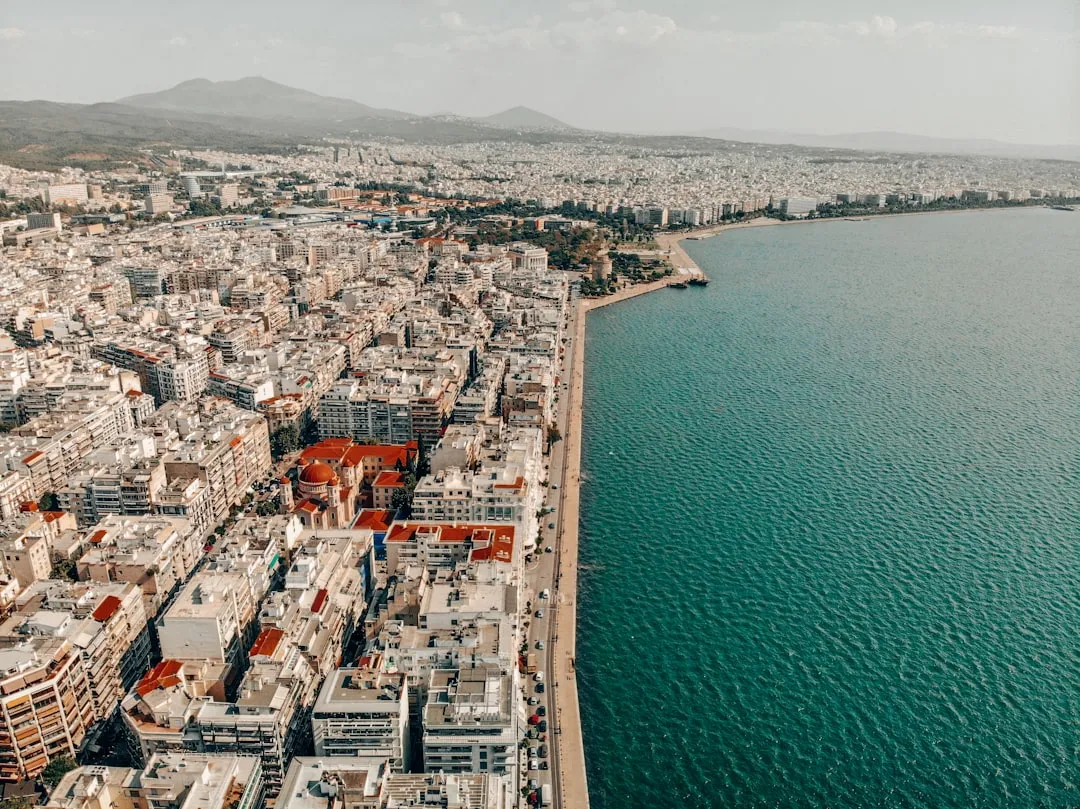
Best time according to destination
The same month is not suitable for every place. After determining your route, build your calendar accordingly.
Athens
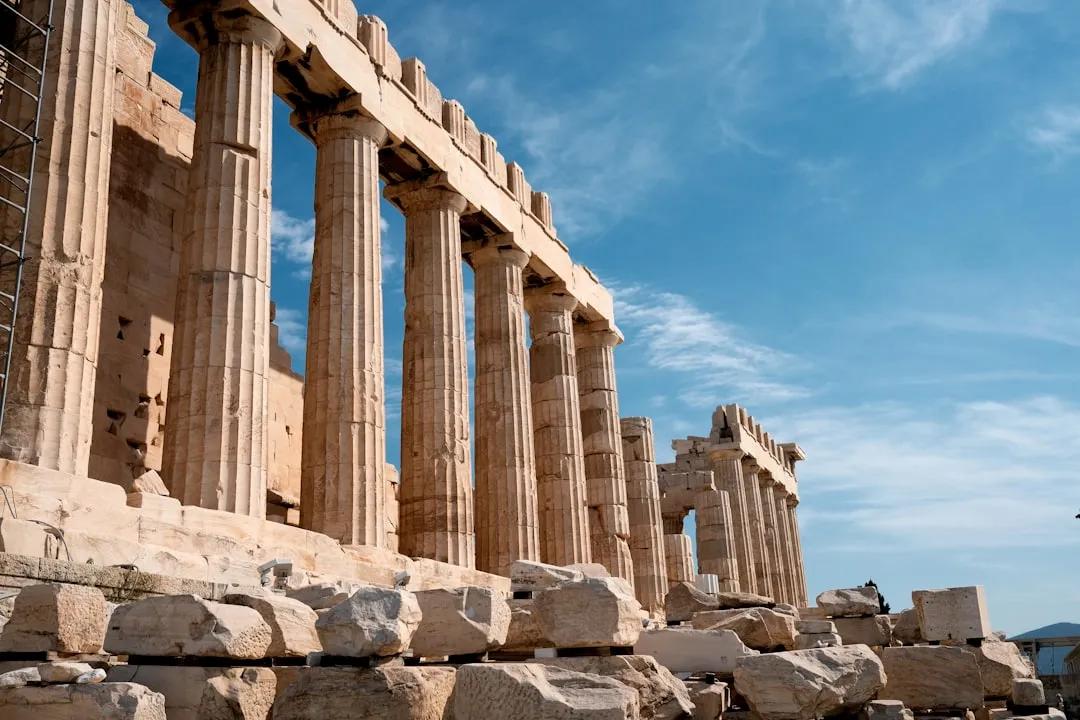
April–May and September–October are ideal for a city tour. In midsummer, open-air areas like the Acropolis become tiring in the afternoon. Winter, on the other hand, is a quiet and economical alternative. Set aside at least 3 days; split ancient sites, museums and neighborhood tours into separate days.
Rhodes
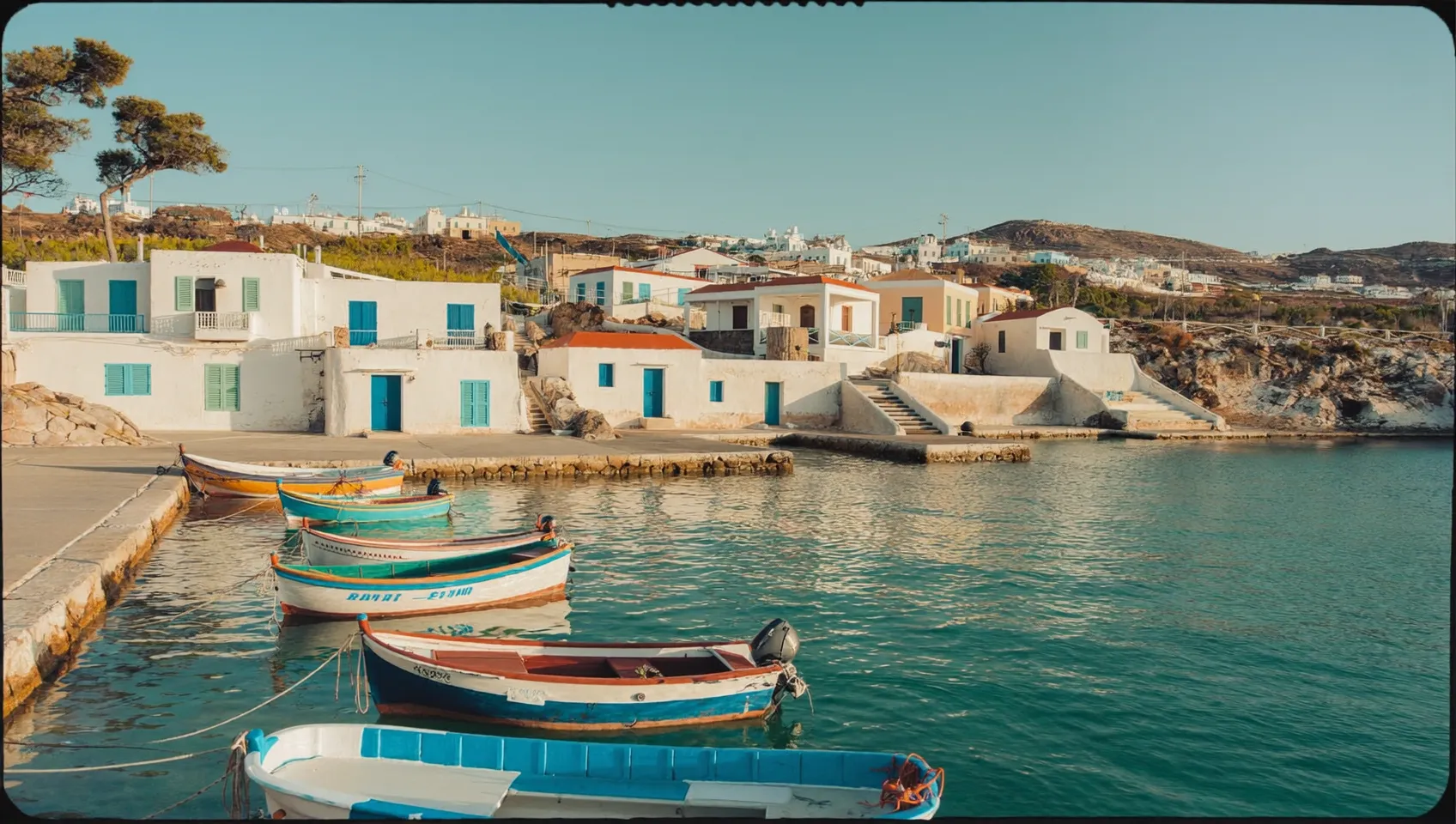
To combine history and beach, choose between late May and October. For a quick trial, the 2-night 3-day tour departing from Marmaris is suitable; for exploring the island more leisurely, the 4-night 5-day tour departing from Fethiye is suitable. Leave the old town walk to the morning and the beach to the afternoon.
Samos
If you're looking for a quiet and green island, June to September is suitable. The Samos 2-night 3-day tour offers a sufficient first trial for a weekend getaway.
Thessaloniki
In the north, spring and autumn stand out for a city and food route. Plan for the coast in summer heat, and cafes and museums in winter.
If you want both a city and an island in one trip, look at mid-September to early October; this is the period when both routes are open and comfortable.
Visa and application calendar
Turkish citizens require a Schengen visa to enter Greece. According to official sources verified on August 1, 2026, the requirements are as follows:
- Allowed stay: 90 days / 180 days.
- Processing time: 15–21 business days.
- Fee: €90.
This processing time means you need to build your holiday date around the visa application. If you're planning a tour or flight departing in early October, leave extra margin on top of the processing time for the appointment and document preparation. Finding an appointment becomes harder in summer months; apply at the latest in spring for a July–August trip.
For current requirements, document lists and application steps, see the Greece visa page. Those having trouble getting an appointment can read our Schengen visa crisis and black market article; frequent travellers can review the long-term visa option from our Schengen trusted traveller formula article.
Important point: clarify your visa status before buying a tour or plane ticket. A ticket purchased before the visa is approved, with no refund condition, means a loss if the plan changes.
Planning order: from month to booking
Follow this order to decide.
- Purpose: sea, city or mixed route. This choice determines the month (summary in the first section).
- Month and duration: think of at least 4–5 days for island holidays, at least 3 days for Athens, and 7 days to combine both.
- Visa: start your Schengen application right away, taking the processing time into account. The visa page provides current requirements.
- Transportation: for islands close to the Turkish coast, a tour or ferry-included package is the least problematic option for short trips. Compare alternatives on the Greece tours page.
- Accommodation: book early for July–August, and flexibly for May and October.
- Before your flight: see our online check-in guide for steps and timing.
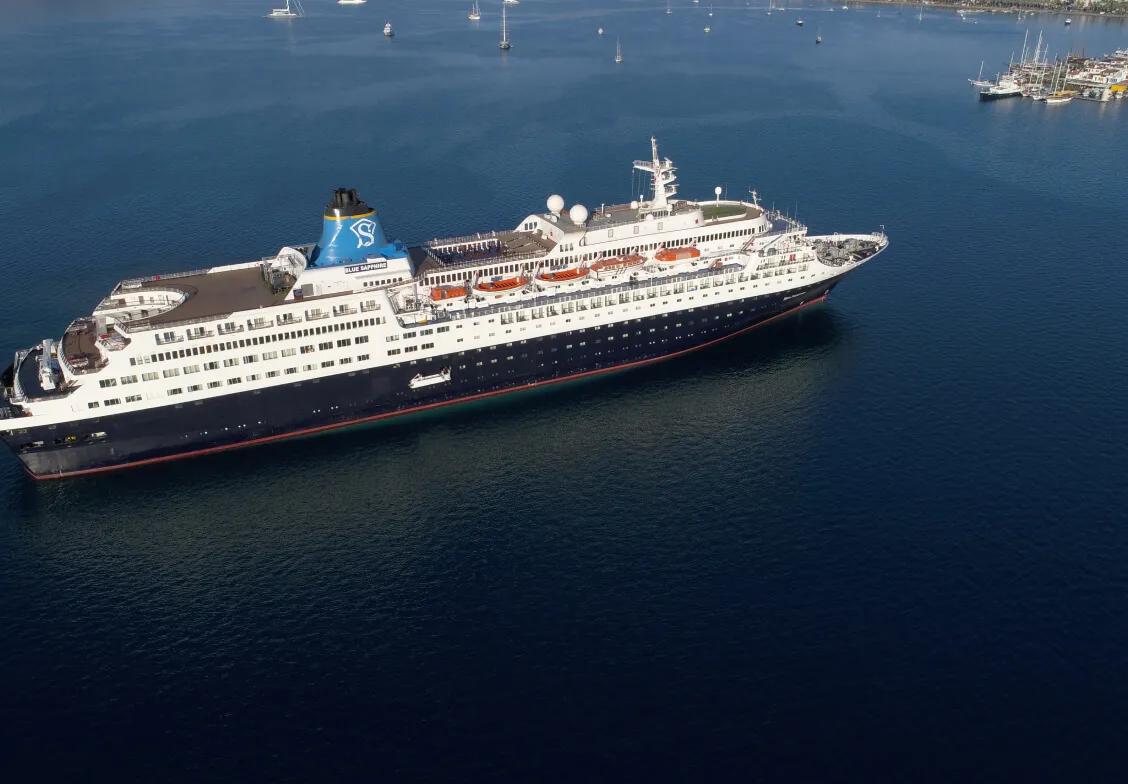
Greek island tours with Selectum Blu Cruises departing from Çeşme also start in early October; if you want to see several islands in a single route, check the 3-island route. These routes offer the convenience of a single suitcase and a single program; however, free time on the islands is limited. Those who want to travel more flexibly should build an independent route.
Frequently asked questions
Which month is best to visit Greece?
If you're choosing a single month, mid-September to early October is the most balanced option; the sea is warm and crowds are low. For just the sea, June–September is suitable; for just sightseeing, April–May and September–October are suitable.
What are the best months for swimming in Greece?
From late June to late September is suitable for a sea holiday. September is the most comfortable month, with the water staying warm after summer heat and crowds decreasing.
Can you visit Greece in winter?
Yes, but go focused on cities. Museums and ancient sites are open in Athens and Thessaloniki; however, transportation and accommodation services decrease on most islands. For an island plan, don't buy tickets without separately confirming ferry schedules and accommodation.
Is a visa required for Greece?
Turkish citizens require a Schengen visa. The allowed stay is 90 days / 180 days, the processing time is 15–21 business days, and the fee is €90. See the Greece visa page for current documents.
How far in advance should I apply for a visa to Greece?
Processing time is 15–21 business days; on top of this comes the appointment waiting time. Therefore, it's recommended to apply at least a few weeks before your travel date, and even earlier for the summer period.
Which period is cheapest in Greece?
Accommodation and transportation are generally more affordable in November–March and in May and October. July–August is the peak period. Compare current prices on tour and hotel pages by date.
Which Greek islands can be reached quickly from Turkey?
Rhodes and Samos are among the islands that can be visited with short tours departing from Turkey. There are tour options with departures from Fethiye and Marmaris for Rhodes, and a 2-night 3-day tour option for Samos.
My Travel Team
Travel Editor
The My Travel team prepares up-to-date travel, visa and tourism information and guides.