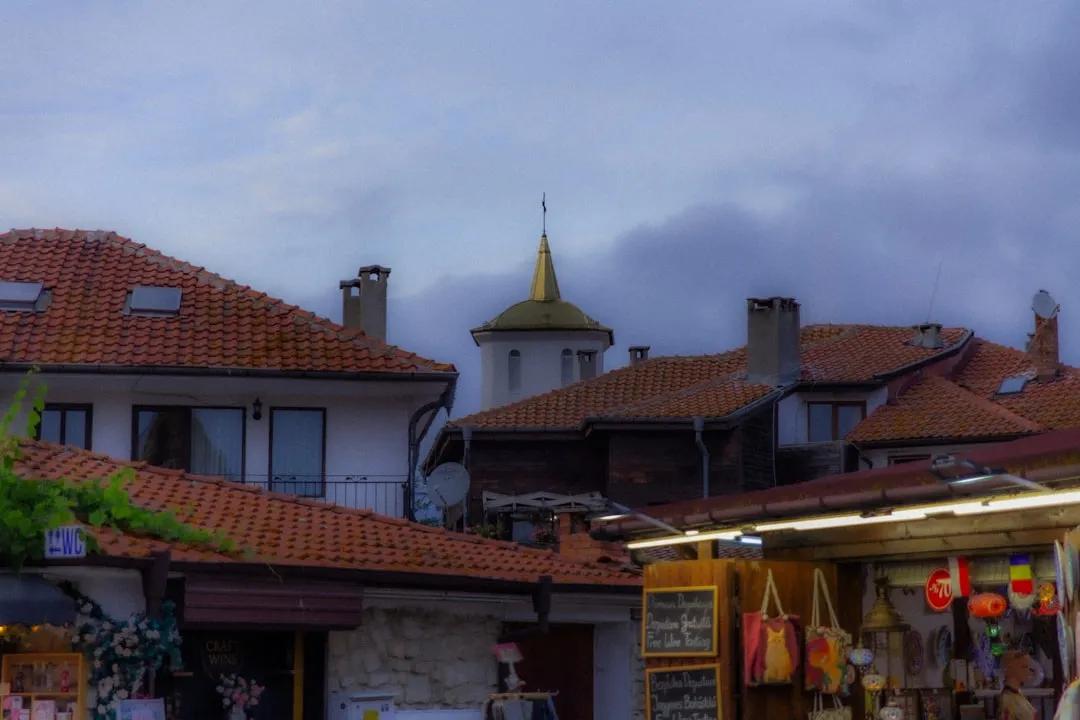
City, seaside or skiing: find the right month, route and number of days for Bulgaria based on your travel style.
The answer to when to visit Bulgaria depends on your travel style: May, June, September and October for city and culture trips; summer for the seaside; winter for skiing. In November and December, focus on Sofia and Plovdiv. A visa is required for Turkish citizens; plan your application before your travel dates.
In brief
- Choose May, June, September and October for city trips; summer for the seaside; winter for skiing.
- In November and December, plan a city break in Sofia and Plovdiv instead of the seaside.
- Allow four to five days for Sofia and Plovdiv; two or three days is enough for Sofia alone.
- A visa is required for Turkish citizens; plan your application before booking tickets.
- Thessaloniki-Sofia takes four days, Bulgaria-Romania takes seven days; the first departures are in November and December.
Short answer: a calendar by travel style
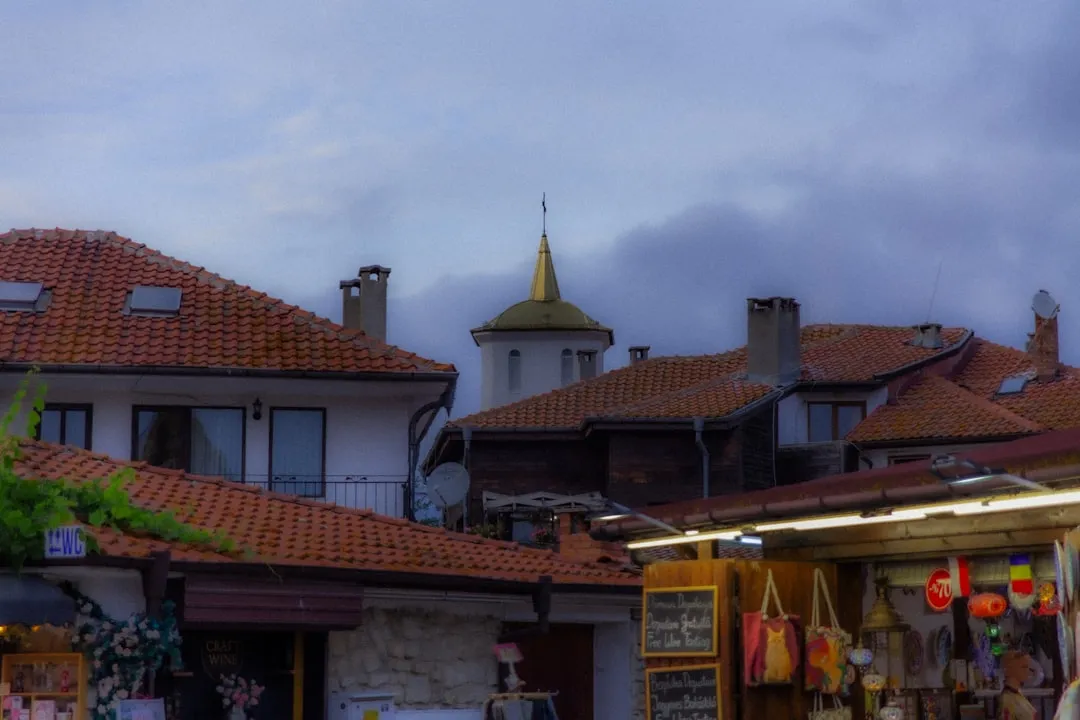
There isn't a single best month; you choose the month based on what you want to do. The breakdown below makes deciding easier.
- City and culture trip: May, June, September and October. Walking is comfortable, and the summer crowds that flow to the coast aren't in the cities.
- Seaside holiday: Late June to early September. The area around Varna and Burgas on the Black Sea coast is lively during this period.
- Skiing: Winter, after the snow cover settles. Bansko is the best-known resort.
- Quiet city break: November and December. Museums, churches and cafés are open in Sofia and Plovdiv.
Bulgaria is a small country, but it has the sea, mountains and plains all together. So you may see mild weather on the coast and cold weather in the mountains within the same week. If your route doesn't match the month, change the route first rather than the date. For example, instead of planning a seaside trip in December, build a city and mountain route.
In this article we don't give temperature or price figures, because they vary year to year. Before you go, check the forecasted weather and current prices on the relevant tour and hotel pages. For those with flexible dates, the general rule is: choose your travel style first, then pick the month accordingly.
Spring: March, April, May
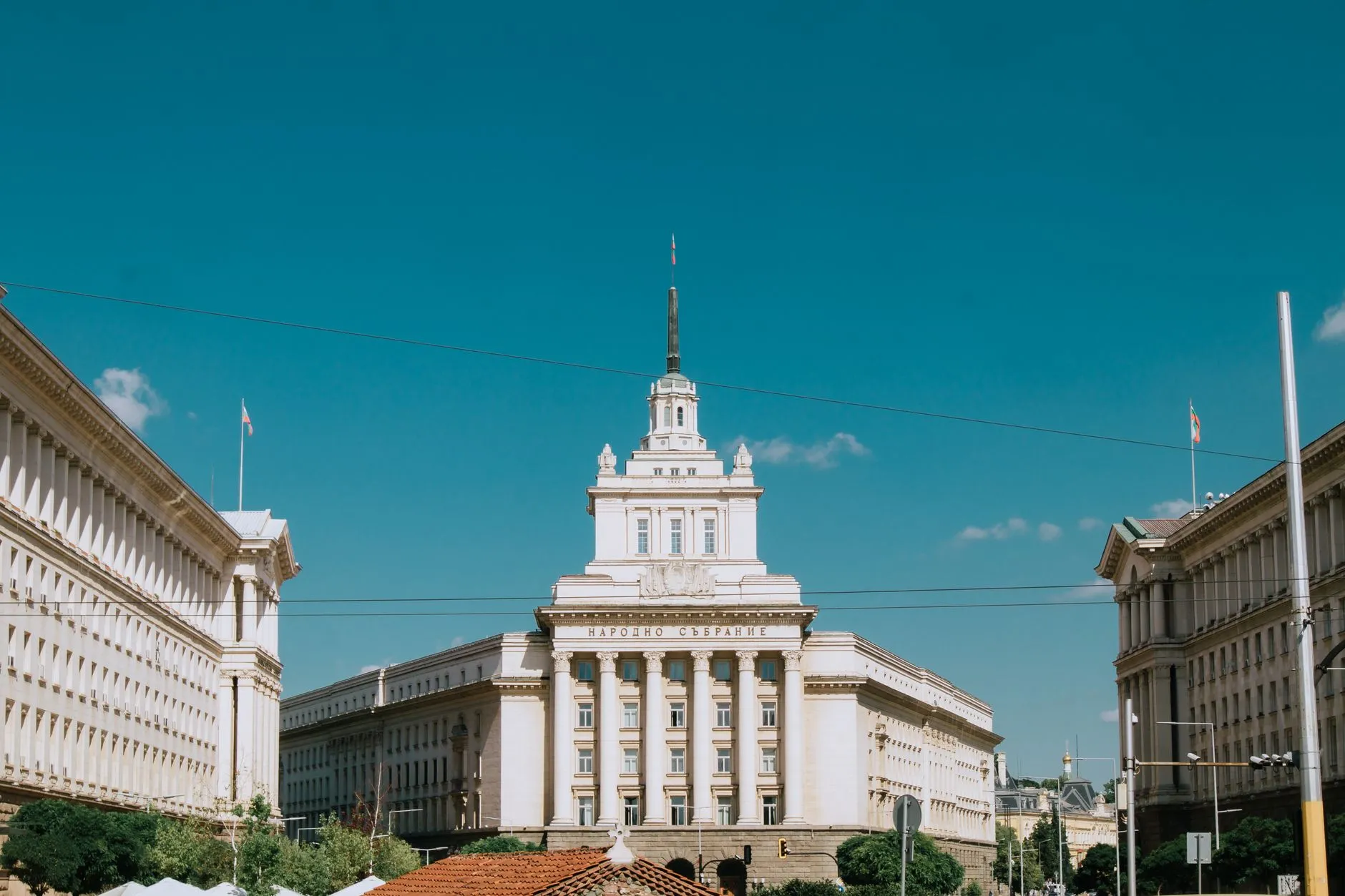
Spring is a transitional season. March is still cool and changeable; April is reasonable for starting a city trip, and May is the most balanced month. Trees turn green, rural areas come alive, and hotel and museum crowds don't reach summer levels.
What to do
- March: Consider this only for a short, single-city break such as Sofia. Bring a waterproof jacket.
- April: Good for walking through Plovdiv's old town. Since rain is likely, keep your schedule flexible.
- May: Combine a city visit with monasteries and castles. Seasonal event dates change each year; confirm with local sources before you travel.
In spring, snow or mud may remain on mountain roads and at high-altitude monasteries. If you're planning to drive, check road conditions right before departure. It's still early for the seaside; many coastal facilities may not have opened for the season yet.
Who it suits: Travellers avoiding crowds, who like to walk, and who focus on photography and culture. If it's your first trip, aim for May and allow four to five days for Sofia and Plovdiv. If you're sticking to one city, two or three days is enough for Sofia.
Summer: seaside and the Black Sea coast
Summer is Bulgaria's coastal season. Between late June and early September, facilities along the Black Sea coast operate at full capacity. July and August are the busiest months; accommodation fills up early and prices rise.
Varna and Burgas
Varna is the largest city on the coast, offering a seaside garden, museums and a beach together. Burgas is a quieter base, a good hub for reaching the small historic coastal towns around it. If you combine both in one trip, allow at least four days.
Decision suggestion
- If you want crowds and nightlife, choose July and August, and book as early as possible.
- If you want a quieter beach holiday, choose late June or early September.
- In midsummer, Sofia and inland areas can be hot; split your city sightseeing into morning and evening hours.
In summer, day trips from the coast inland are possible, but control the travel time yourself; we don't give a duration figure here. The best month for a summer city trip is the first half of June; reserve July and August for the seaside. Check hotel pages for current options.
Autumn: September and October
Autumn is one of the strongest periods for a city and culture trip. September carries the last warm days of the sea season, while October is the month when the colours change and crowds thin out. Since summer visitors have left, accommodation and local services are easier to find.
September
The best month for combining the coast with the city. Spend a few days first in Varna or Burgas, then move inland. If you plan to swim, aim for the first half of the month.
October
Ideal for Sofia, Plovdiv and Veliko Tarnovo. Evenings cool down; a light jacket and comfortable walking shoes are needed. The first cold spells may appear in mountain regions.
Group tours also pick up during this period. The Great Balkans 9 Countries route is an eight-day bus tour with its first departure on 30 October 2026; it suits those who want to see Bulgaria as part of a multi-country programme. Check the itinerary on the Great Balkans 9 Countries Bus Tour page. If you'll join from Ankara, the Ankara-departure option is on a separate page.
On a multi-country tour, the time allocated to Bulgaria is short. If you want to see Bulgaria in depth on its own, choose a single-country route.
November and December: city break and winter preparation
In November and December, the answer is clear: plan a city and culture break, not a seaside holiday. Weather turns cold and days get shorter; but museums, historic churches, cafés and restaurants are open in Sofia and Plovdiv. Building the itinerary around indoor venues is the safest approach in these months.
Ready-made routes for this period
- The Thessaloniki - Sofia Route lasts four days, with the first departure on 19 November 2026. Suitable for those looking for a short weekend extension.
- The Great Bulgaria Romania Route lasts seven days, with the first departure on 14 December 2026. A broader programme for those wanting to see two countries together.
If you're travelling on your own, still allow four to five days for Sofia and Plovdiv; due to short days, planning a single main stop per day is sufficient.
Practical tips
- Dress in layers; get waterproof shoes.
- Schedule outdoor activities before noon, and reserve evenings for indoor venues.
- If you're considering skiing, aim for midwinter in Bansko; check snow conditions before departure.
You can see all current departures on the Bulgaria tours page. Since dates and availability may change, rely on the information on that page before booking.
The right timing by route
Your choice of city determines your choice of month. Use the suggestion below for each city.
Sofia
The capital can be visited year-round. May, June, September and October are the most comfortable months. It's also visited in winter; two days alone is enough for a short break, and if you also want to see the museums, allow three days.
Plovdiv
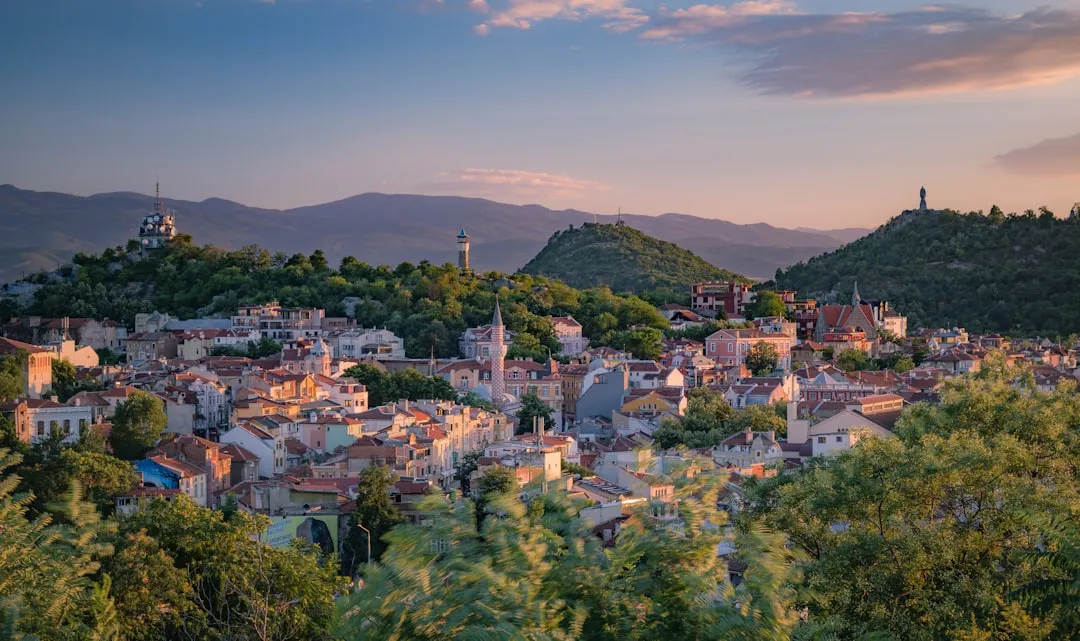
The old town is made for walking through narrow streets. Spring and autumn are the most suitable seasons. Plan it together with Sofia; seeing both comfortably takes four to five days.
Veliko Tarnovo
For fortress and valley views, choose May, June, September and October when the weather is clear. In winter, fog and rain can limit visibility. If adding it to Sofia and Plovdiv, allocate one to two days.
Varna
Summer is preferred for the seaside, September for walking the city. The coast is quiet in winter months; many facilities may be closed.
Bansko
This is the ski resort. Go in winter; it may also be open for mountain hiking in summer, but confirm the schedule and facility status beforehand.
Our suggestion: combine Sofia and Plovdiv on your first trip to Bulgaria, and add the coast or mountains on your second trip.
Visa, transportation and preparation timeline
A Bulgaria visa is required for Turkish citizens. For current requirements, documents and application steps, see the Bulgaria visa page; we don't give duration or fee figures in this article because rules can change.
Application timing
- Appointments may be busy during the summer and ski season; gather documents early.
- For a November and December trip, plan your application by October at the latest.
- Book accommodation and transportation with easily cancellable options until your visa decision is finalised.
If your application is rejected, read what to do after a visa rejection and prepare your new application based on the reason given.
Those travelling by car
If you're considering touring with your own car or a rental, clarify driving document requirements beforehand. Our article how to get an international driving permit explains the documents and steps. Make extra preparations for tyres and road conditions in winter.
The safest order is to finalise your flight ticket and hotel after obtaining your visa.
Decision summary: which month, how many days, which route
The summary below lets you build your plan at a glance.
- May and June: Sofia and Plovdiv, four to five days. For travellers focused on walking and culture.
- July and August: Varna and Burgas, five to seven days. For those seeking a seaside holiday; book early.
- September: A more relaxed route combining the coast and the city. Allow seven days.
- October: A route of Sofia, Plovdiv, castles and monasteries, four to five days. Check the Balkans tour if you want a multi-country trip.
- November and December: A short city break or package tour. Thessaloniki-Sofia four days; Bulgaria-Romania seven days.
- Midwinter: Bansko and skiing. Check snow and facility status before departure.
Final order
- Choose your travel style: city, seaside or skiing.
- Determine the month accordingly.
- Plan your visa application.
- Check tours and hotels and make a reservation.
It's possible to see Bulgaria across multiple seasons; however, for a first trip, May and September are the most balanced choices. In November and December, build a flexible, indoor-focused programme.
Frequently asked questions
Which month is best to visit Bulgaria?
May, June, September and October are the most balanced months for a city and culture trip. Summer is chosen for the seaside, winter for skiing. Decide based on your travel style rather than a single month.
Can you visit Bulgaria in November and December?
Yes, but plan a city break instead of a seaside holiday. Museums and cafés are open in Sofia and Plovdiv. Tour routes such as Thessaloniki-Sofia and Bulgaria-Romania are also available in this period.
When does the sea season start in Bulgaria?
On the Black Sea coast, the season intensifies during the summer months; facilities operate at full capacity from late June to early September. Some facilities may be closed in the early or late period. Confirm hotel status before you go.
Do you need a visa to visit Bulgaria?
A visa is required for Turkish citizens. Check the Bulgaria visa page for documents and application steps. Apply early during busy periods.
Which city should you go to for skiing in Bulgaria?
The best-known ski resort is Bansko. It's visited in winter, after the snow cover settles. It's necessary to check snow and facility status before departure.
How many days are enough in Bulgaria?
Four to five days are enough to comfortably see Sofia and Plovdiv. If you also want to add the coast, allow seven days. On multi-country tours, the time allocated to Bulgaria is shorter.
My Travel Team
Travel Editor
The My Travel team prepares up-to-date travel, visa and tourism information and guides.