
February–April is the best window for first-time visitors to Honduras. Here we explain months by region, the difference in rainfall on the islands, and routes based on trip length.
The answer to when to visit Honduras, for first-time visitors, is between February and April. The dry season in the interior lasts from late November to April; the Bay Islands are calmest between February and May, and can be rainy and choppy between November and January. Turkish citizens can enter without a visa.
In short
- The single recommendation for first-time visitors: February–April; the interior and the islands can be visited together.
- Copán and the coffee region are comfortable from late November to March; the Bay Islands are calm from February to May.
- Between November and January, the islands and the Caribbean coast can be rainy and choppy.
- October is the month with the highest hurricane risk; avoid the coast and islands.
- The visa status for Turkish citizens is visa-free; verify this on the country page before departure.
Short answer: dry season and rainy season
Honduras has two main seasons: dry and rainy. The dry season lasts roughly from late November to April. The rainy season begins in May and extends to around October. However, the country does not have a single climate; the interior, the Caribbean coast and the islands behave differently in the same month. So you should choose the month that suits the region you want to visit, not just a single month overall.
Our recommendation is single and clear: if you are going for the first time, choose February–April. In this window the interior is dry, the coast is relatively predictable, and the sea around the islands is calm. This is the least risky way to combine the coast and the interior in one trip.
Here is a short table by region:
- If Maya ruins and the coffee region are the priority: late November–March is comfortable for hiking and touring.
- If diving and the sea are the priority: February–May is the most balanced window for the Bay Islands.
- If you want rainforest and rafting on the Caribbean coast: February–May is more predictable.
- If budget is the priority: the first weeks of the rainy season (May–June) can be chosen; October is not recommended, as it is the period with the highest hurricane risk.
Since rainfall amounts and temperatures change every year, we do not give figures in this article; we describe the general pattern. Before booking your flight, check the recent weather for the region you are heading to. In the following sections we cover the months, regions and routes by trip length in order.
Honduras by month
November–April: dry season
From late November onward, rainfall decreases noticeably. From December to March, days are comfortable and nights are cool in the interior; this is the best period for hiking, ruin visits and city tours. These months are also the busiest time of year. Book accommodation and domestic flights in advance, especially during the New Year week. The Caribbean coast and the islands are not as dry as the interior in the early months of this season; this difference is covered separately below.
May–October: rainy season
Rains begin in May. They are usually in the form of afternoon downpours; mornings are often clear. Nature turns green, waterfalls fill up, and prices and crowds drop. On the other hand, roads can deteriorate and some hiking trails may close.
Summer and autumn are hurricane season in the Caribbean basin. October, although the end of the rainy season, is the period with the highest hurricane risk; we do not recommend this month for the Bay Islands and the northern coast. If you are traveling during the rainy season, check natural disaster coverage in your travel insurance, keep your itinerary flexible, and choose bookings with flexible cancellation terms.
Which month should you choose?
If you are choosing a single month, it is February or March: the interior is dry, the islands are calm, and the coast and interior can be visited together. April is also a strong alternative; crowds start to thin out. If you want to lock in reservations before December, late November works for the interior, but do not make the islands the center of your itinerary in this month.
Bay Islands: the right month for Roatán and Utila
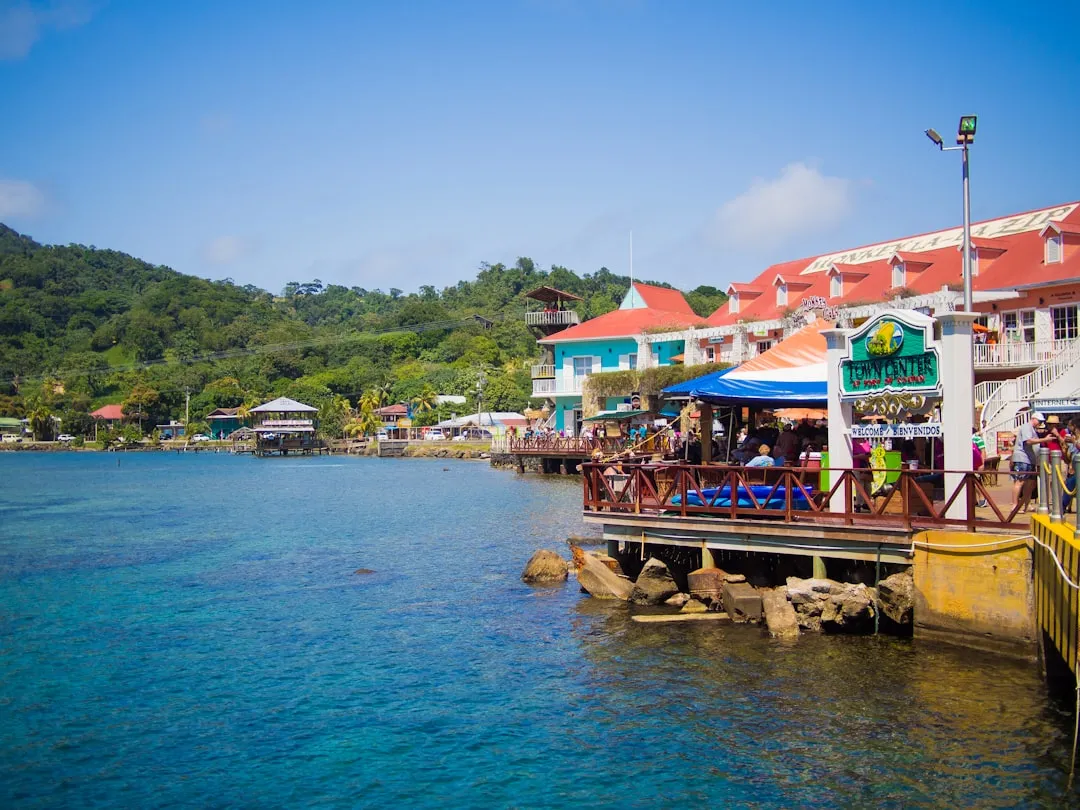
Honduras's best-known sea region is the Bay Islands. Roatán, with its more developed infrastructure, suits families and those seeking a comfortable holiday, while Utila is suited to those wanting to learn diving on a budget.
When: February–May is the period when the sea is calm and underwater visibility is good. Between November and January, rain and choppy seas occur on the islands; meaning even if the dry season has begun on the mainland, the islands behave differently. So if you are visiting an island in December, leave room for flexibility and don't rely on a single day for diving and boat tours. Do not go to the islands in October; hurricane risk is highest in this period.
How many days:
- Allow at least 4 days for Roatán; West Bay beach, snorkeling and a boat tour fit into this time.
- 3–4 days is enough for Utila; if you are considering an open water diving certification, confirm the course duration with the dive school.
- If you are combining the two islands, allow for a ferry or short flight between them and factor in a transfer day.
Decision: If you are only doing a beach holiday, focus on the islands between February and April. If you are combining it with a land tour, visit the interior first and leave the islands for the last days; this reduces the risk of missing your return flight. Since dive schools fill up quickly in high season, book island accommodation and courses as early as possible.
Copán Ruinas and the interior
Copán Ruinas is a town in the west of the country, close to the Guatemalan border, home to important ruins of the Maya civilization. This is the first stop for those who want to see Honduras's cultural side.
When: Late November to March is ideal for outdoor touring. The ruin site has sections without shade; so entering early in the morning helps avoid both heat and crowds. The site can still be visited during the rainy season, but roads get muddy and afternoon downpours can disrupt your schedule.
How to plan:
- Allow half a day for the ruins, and a second half day for the surrounding museum and a walk around town.
- Add one more day for coffee farms, bird watching and hot springs.
- If you will only see the ruins, allow at least 2 days; if visiting the surrounding area too, allow 3 days.
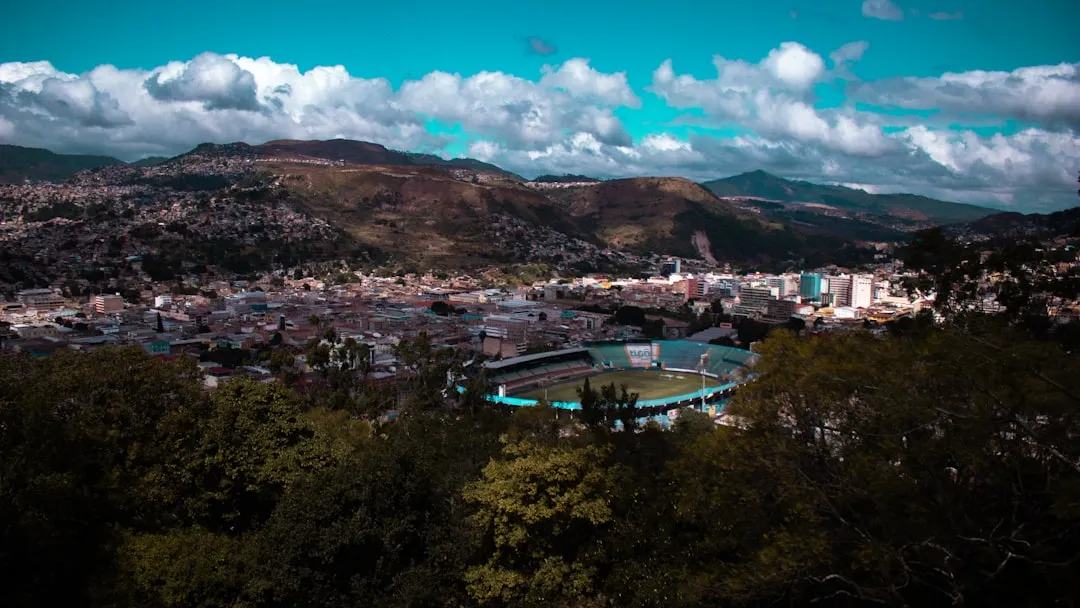
Most travelers only pass through the capital Tegucigalpa as a transfer point. If you will stay in the city, prefer daytime transfers and stay in a safe area at night. Planning intercity transport during daytime hours is a general rule in Honduras; do not choose a flight or bus that arrives late at night.
There is another benefit to making the interior your first stop: you move on to the islands, the relaxed part of the route, already rested.
Caribbean coast: La Ceiba and Pico Bonito
La Ceiba is the main gateway to the northern coast; ferries to the Bay Islands and access to Pico Bonito National Park depart from here. Rafting, forest hiking and bird watching are the region's standout activities.
When: The Caribbean coast has a different rainfall pattern from the rest of the country. Rainfall can increase here between November and January; meaning even as the dry season begins in the interior, rainy days can still be seen on the coast. February–May is a more predictable window for the coast. The period when rivers are full is fun for rafting, but level and guide selection matter for safety; ask the operator about river conditions after rain.
Decision guide:
- If you want hiking and rafting, allow 2 days for La Ceiba and its surroundings.
- If you will cross to an island by ferry, confirm schedules a day in advance according to sea conditions; sailings can change in rough weather.
- If you are visiting the coast between November and January, schedule outdoor activities in the morning and leave an indoor alternative for the afternoon.
- Do not plan a northern coast itinerary in October; hurricane and flood risk is high.
In this region, rain gear and quick-dry clothing are the most essential items in your suitcase. Get a waterproof case for electronics.
November–December plan: what to do when demand rises
November–December is the period when interest in Honduras intensifies. As the dry season begins, demand rises; especially in the last week of December, flight and accommodation options narrow quickly.
November: Rain can still continue in the first half of the month. The second half is much more comfortable for the interior. If you are targeting late November, prioritize Copán and the coffee region; do not make the islands the main part of your itinerary, and leave room for rain.
December: This is a safe month for the interior and Maya ruins. Still be prepared for rain on the islands and the northern coast. Crowds and prices rise during New Year week; if possible, go in the first half of the month. If the sea is your priority, postponing this trip to February gives better results.
Practical order:
- Book your flight first; seats on connecting routes through Central America run out quickly.
- Book island and Copán accommodation next.
- Finalize domestic flights and ferries last, according to the weather.
If you have a long layover, check who can access an airport lounge; you may have access with your card or ticket class.
Visa and preparation
Honduras is visa-free for Turkish citizens. This information is based on the current record on our country page; for length of stay, passport validity and additional documents, check the Honduras visa page and re-verify before departure. Rules can change, so checking before booking your flight is the safest step.
Before you go:
- Compare your passport's validity period with the airline's and the country's requirements.
- Carry your return or onward ticket and accommodation information with you.
- Get travel health insurance; check coverage for island and forest activities as well as natural disasters.
- Consult a doctor or a travel health unit before departure regarding vaccinations and mosquito-borne diseases.
- Plan a balance of cash and card; cards may not be accepted everywhere in small towns.
If you will transit through Europe, the article what is ETIAS, does it affect Turkish citizens may be useful for your route planning. Do not treat any information in this article as a substitute for official sources; the final word on entry requirements belongs to the relevant authorities.
Choosing a route by trip length
Distances in Honduras may seem short, but road and transfer times take up days. Plan your route according to the time you have, not just the month.
Short trips
With limited time, choose a single region. If you want the sea, allow at least 4 days for Roatán; if you want culture, allow at least 2 days for Copán Ruinas. Do not try to fit both into a short holiday; transfers will eat up your days.
Medium trips
With a week to ten days, it is possible to combine two regions: first Copán and its surroundings, then the Bay Islands via La Ceiba. This order lets you end your trip comfortably by the sea on the last day. Check transfer and domestic flight schedules before booking tickets.
Long trips
If you have more than two weeks, build the Copán, Pico Bonito, Roatán and Utila route gradually; include rest days in between.
Which period suits which route
- February–April: both the interior and the islands for first-time visitors; this is the single recommendation.
- Late November–January: prioritize Copán and the coffee region, with the islands secondary.
- May: a short program focused on diving and the islands.
- June–October: a flexible itinerary with an indoor alternative and insurance are essential; do not go to the coast and islands in October.
Think of Honduras not as a single city or a single beach trip, but as a two-to-three-stop route adjusted to the season.
Frequently asked questions
Which month is best to visit Honduras?
For first-time visitors, the best window is February–April; the interior is dry and the sea around the islands is calm. If you will only visit Copán and the coffee region, late November–March also works. If diving is the priority, choose the February–May window.
When is the rainy season in Honduras?
The rainy season extends roughly from May to October. Rains usually come as afternoon downpours. On the Caribbean coast and the islands, rain can also continue in November–January.
Do I need a visa to go to Honduras?
The visa status for Turkish citizens is visa-free. Check the country's visa page for length of stay and entry requirements, and re-verify before departure.
Can I visit Honduras in December?
Yes, December is a good month for the interior and the Maya ruins. There can still be rain on the islands and the northern coast. Crowds increase during New Year week; if possible, choose the first half of the month.
Which month is suitable for Roatán?
February–May is the period with a calm sea, good underwater visibility and relatively little rain. Choppy seas and rain can occur between November and January. October is not recommended due to hurricane risk.
How many days should I allow in Honduras?
This depends on the region: allow at least 2 days for Copán and at least 4 days for Roatán. If combining Copán with the islands, a week to ten days makes sense. Include rest days in longer routes.
Can I visit Honduras in October?
October is the end of the rainy season and the period with the highest hurricane risk. We do not recommend it especially for the Bay Islands and the northern coast. If you must go, book with flexible cancellation terms and check your insurance coverage.
My Travel Team
Travel Editor
The My Travel team prepares up-to-date travel, visa and tourism information and guides.