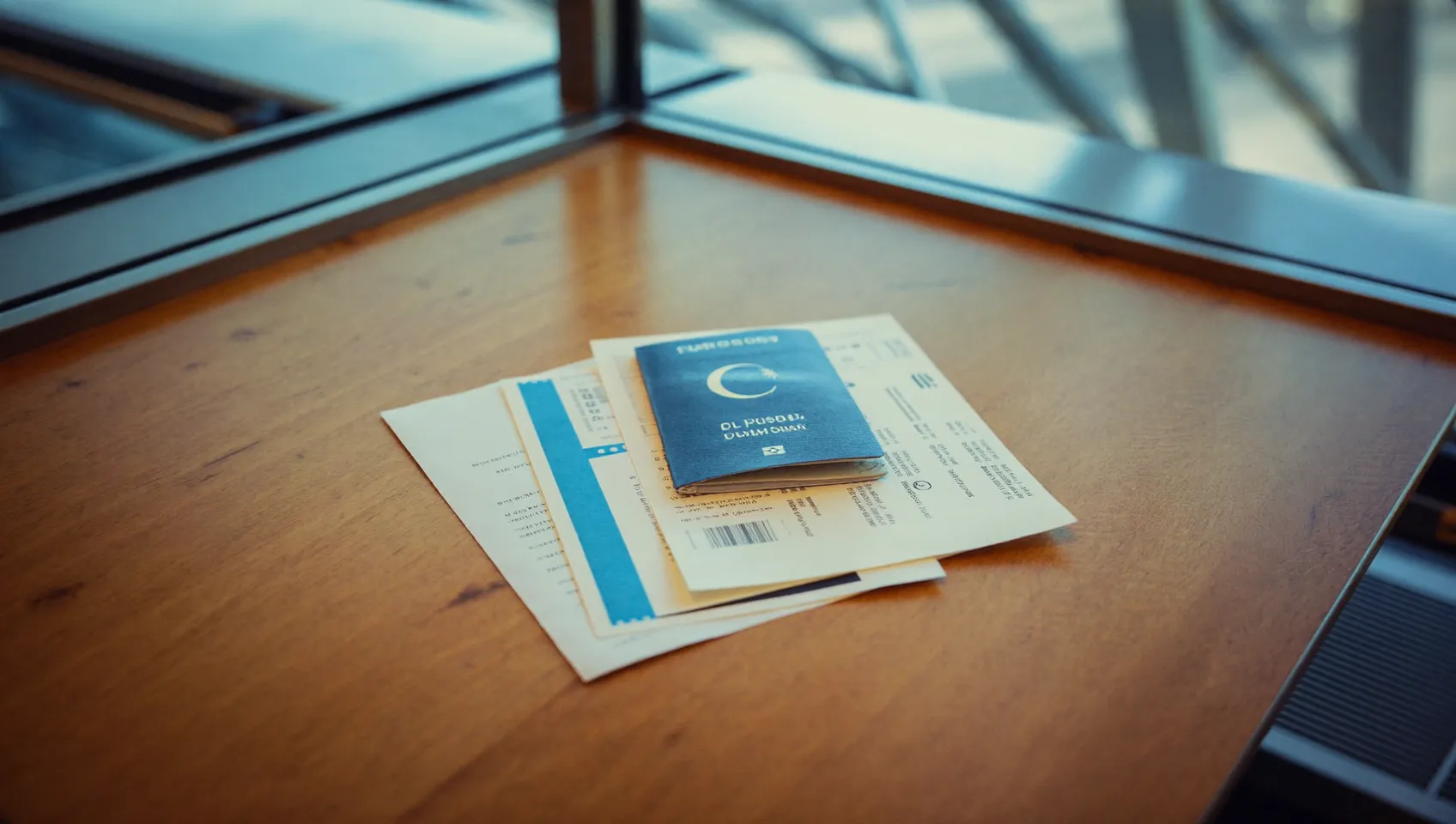
ETIAS is an authorization for citizens of visa-exempt countries. Turkish citizens are not covered; they continue to apply for a visa for Europe.
No, ETIAS does not affect Turkish citizens: since Turkey is not a visa-exempt country, Turkish citizens are not covered by ETIAS and do not apply for it. The short answer to the question of what ETIAS is: it is the electronic authorization that citizens of visa-exempt countries will need when entering Europe. The valid document for Turkish travellers is a visa.
In short
- Turkish citizens are not covered by ETIAS; they do not need to apply.
- A visa, not ETIAS, is required for the EU's external border.
- Do not give information to sites requesting fees under the name ETIAS.
- ETIAS is expected to come into effect at the end of 2026; the system is not yet operational.
- Diplomatic and green passports are assessed separately under visa-free travel rules.
The core rule: no ETIAS for Turkish citizens, a visa is required
For a Turkish citizen travelling to the Schengen area with a passport subject to a visa requirement, the required document is a visa. Since Turkey is not among the visa-exempt countries, Turkish citizens are not covered by ETIAS. They do not need to apply for ETIAS.
This distinction directly determines the journey. Turkish citizens must obtain a visa, not ETIAS, to cross the EU's external borders. So when news about ETIAS appears, you don't need to change your plans; your visa process continues as before.
Use the country-by-country visa information page to see which document is required for which country. Consulate requirements and appointment procedures may differ depending on the country you are applying to; check this information before your travel date.
In short: you don't need to fill out a form on the ETIAS website for Europe, nor make any payment in this regard. The document that will be requested from you at the border is a valid visa and passport.
What is ETIAS and what does it do?
ETIAS is not a visa. It is the electronic travel authorization required for citizens of visa-exempt countries for short-term entries of 90 days within 180 days into the Schengen area or Cyprus.
The authorization will be mandatory for entry into 30 European countries and is tied to the traveller's passport. If a new passport is obtained, a new ETIAS authorization is required. That is, the authorization is tied not to the person but to that specific passport.
When will it come into effect?
The system is expected to come into effect in the last quarter of 2026, meaning the end of 2026. Official statements indicate that the system is not yet operational. Since the date is given as an expectation, it should not be considered final.
Difference from a visa
A visa is a document obtained through a consulate or application center. ETIAS, on the other hand, is the authorization that visa-exempt travellers obtain online before travel. The two are not interchangeable and are not required at the same time for the same traveller.
Who is covered by ETIAS, and who is not?
Coverage is determined by citizenship and visa regime. Turkey is not on the list of countries required to apply, found on the official ETIAS website. The list includes countries such as Albania, Argentina, Australia, Brazil, Canada, the United Kingdom, the USA, the UAE and Ukraine.
This means:
- An ordinary Turkish citizen travelling with a regular passport: not covered by ETIAS, visa required.
- A dual citizen: this varies depending on which passport will be used to cross the border. Since ETIAS is tied to the passport, if you will use the passport of a visa-exempt country, check that country's rule.
- Those applying with an official letter or with special status: clarify your situation through the relevant consulate and official sources.
Turkish passport holders who travel visa-free
Turkish passport holders who can travel visa-free (diplomatic passport, green passport, etc.) can travel without an ETIAS authorization and without a visa. This exception depends on the type of passport; verify the scope of your service or special passport with the current rule of the country you will enter.
Common mistakes
The most common mistake regarding ETIAS is applying through the wrong sources. Since Turkish citizens do not need to apply, be wary of pages that request payment and offer services under the name ETIAS. Do not fill out forms on pages other than official sources.
Other common misconceptions:
- "ETIAS means a new visa." No. ETIAS is not a visa; it is for citizens of visa-exempt countries.
- "Once the system starts, the Schengen visa requirement will disappear." No. The visa requirement for Turkish citizens does not change with ETIAS.
- "I got ETIAS, so I don't need a visa anymore." This situation does not apply to Turkish citizens; ETIAS is not issued to them in the first place.
- "It's in the news, I should apply right away." The system is not yet operational, and an application by a Turkish citizen does not provide a valid travel document.
- "My old visa passport is sufficient." The visa must be valid and compatible with the new passport when travelling; if you have obtained a new passport, check the consulate's rule.
A documentation error can lead to being turned away at the border. For this reason, compare your dates and passport information before your flight.
Step by step: What to do for travel to Europe?
If you are planning to travel as a Turkish citizen, follow this order.
- Determine your destination country. If you will be visiting multiple Schengen countries, choose which country to apply to based on your route. For example, if you are planning a route through Germany, the guide to places to visit in Germany can help with city ordering.
- Check the visa requirements. Check the relevant country's document and application steps on the country-by-country visa information page.
- Check your passport. ETIAS is tied to the passport, but for you, the visa will be affixed to your passport; if you need to renew your passport, do so before the visa.
- Make the appointment and apply. Use the official application channel; stay away from intermediaries requesting fees under the name ETIAS.
- Verify the information after receiving the visa. The name, passport number and dates must exactly match your passport.
- Complete pre-flight preparations. The online check-in guide describes the steps requested during document control.
Checklist before setting off
Before heading to the airport, check off these items one by one.
- My visa covers my destination country and travel dates.
- The name and number on my passport match my visa and ticket.
- I have not applied for ETIAS; as a Turkish citizen, I do not need this authorization.
- I have not given information to a site requesting payment under the name ETIAS.
- If I use a diplomatic or green passport, I have verified the visa-free entry rule of the country I will enter.
- If I obtained a new passport, I have checked with the consulate whether my visa is still valid with the new passport.
- My accommodation, return ticket and insurance documents are with me.
- I have reviewed my airline's document control and check-in rules.
Make a final check before every trip. Check official announcements and your airline's current rule to avoid experiencing a rule change at the border. If you travel to the Schengen area very frequently, the Schengen trusted traveller formula explains the possibility of a longer-term visa.
Frequently asked questions
What is ETIAS?
ETIAS is the electronic travel authorization required for citizens of visa-exempt countries for short-term entries of 90 days within 180 days into the Schengen area or Cyprus. It is not a visa and is tied to the traveller's passport.
Does ETIAS affect Turkish citizens?
No. Since Turkey is not a visa-exempt country, Turkish citizens are not covered by ETIAS and do not need to apply. They continue to obtain a visa to enter Europe.
Should Turks apply for ETIAS for Europe?
No, you should not. Turkey is not on the list of mandatory countries on the official ETIAS website. Do not give information to sites requesting fees under the name ETIAS.
When will ETIAS start?
The system is expected to come into effect in the last quarter of 2026. Official statements indicate that the system is not yet operational. Since the date is an expectation, follow official announcements.
Does ETIAS replace the Schengen visa?
No. ETIAS is not a visa and does not apply to citizens of countries subject to visa requirements. Turkish citizens must obtain a visa to cross the EU's external borders.
Is ETIAS required with a green or diplomatic passport?
Turkish passport holders who can travel visa-free, meaning holders of diplomatic or green passports and similar types, can travel without an ETIAS authorization and without a visa. Still, check the current entry rule of the country you will visit.
What happens to my ETIAS authorization if I get a new passport?
ETIAS is tied to the passport, and if a new passport is obtained, a new authorization is required. This rule applies to citizens of visa-exempt countries. For Turkish citizens, the visa is processed according to the consulate's rule when the passport changes.
Sources
- Clarification Regarding the European Travel Information and Authorisation System (ETIAS) — eeas.europa.eu
- Information on the European Travel Information and Authorisation System (ETIAS) — eeas.europa.eu
- Who should apply - ETIAS - Travel to Europe - European Union — travel-europe.europa.eu
My Travel Team
Travel Editor
The My Travel team prepares up-to-date travel, visa and tourism information and guides.