Japan's weather by month for spring, summer, autumn and winter, route suggestions, visa status and booking order all on one page.
The short answer to when to visit Japan: for first-time visitors, spring (cherry blossoms) and autumn (leaf colours) are the most balanced seasons. Winter suits those avoiding crowds, while summer suits those heading north or to the mountains. Turkish citizens can travel without a visa; below you'll find the weather, routes and booking timing by month.
In brief
- If you can't stand crowds, choose the edge weeks of cherry blossom and leaf peak season, or winter.
- Cherry blossom timing shifts: choose a route with at least two cities and flexible bookings.
- In summer, reserve midday for indoor venues; consider Hokkaido or high-altitude areas for coolness.
- Set aside at least 7 days for a first trip, 9-10 days for the classic three-city route.
- Order: first the season, then the route, flight and hotel; start months ahead for peak weeks.
Short answer: two main seasons, one alternative
You can visit Japan any month of the year; but depending on expectations, two seasons stand out: spring (cherry blossoms) and autumn (leaf colours). In both seasons the weather is suitable for walking, city tours go smoothly, and the Tokyo–Kyoto–Osaka route is at its best. The cost is crowds and high demand: you need to decide early on flights and hotels.
Decide as follows:
- If this is your first trip and you want to see the classic Tokyo–Kyoto–Osaka route: autumn or spring.
- If you're avoiding crowds and want snowy views or hot spring (onsen) experiences: winter.
- If your holiday falls in summer: go, but plan around humidity and heat; Hokkaido in the north is a cooler alternative during this period.
- If budget is a priority: look at the edge weeks of cherry blossom and leaf peak season; these weeks are generally more affordable.
If you're planning for November–December, this period is where the two seasons overlap: autumn colours last into the late season in central and southern regions, while winter arrives early in the north. Before fixing your calendar, check the Japan visa and entry page; the situation for Turkish citizens is also explained below.
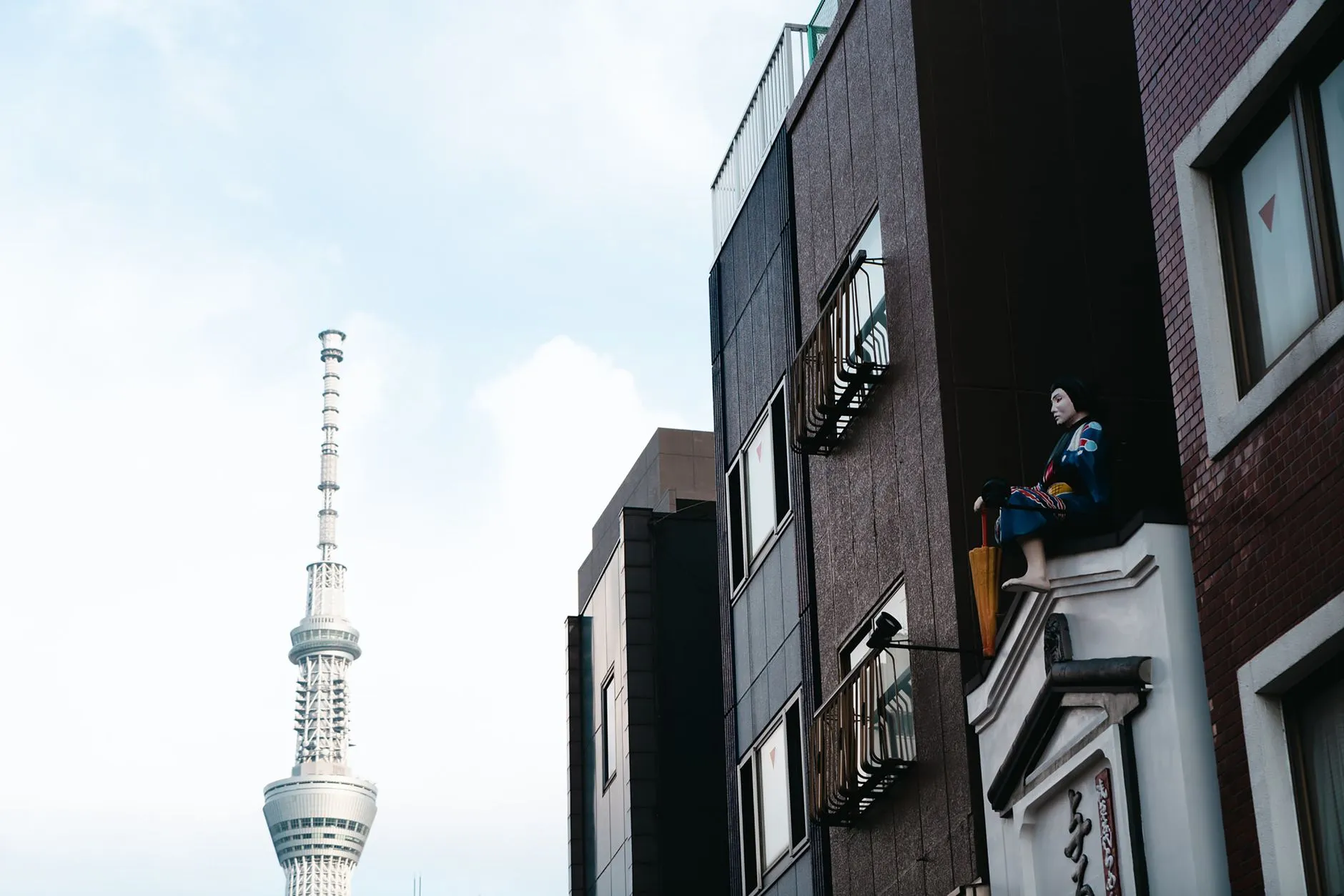
Spring: make flexible plans for cherry blossoms
Spring is Japan's most in-demand season. Cherry blossoms bloom in a wave from south to north; so while blooming may have already started or ended in Kyushu, you might still see buds or winter weather in Tohoku and Hokkaido. Blooming shifts by a few days each year and is short-lived in each region. So don't build a plan around a single day.
Practical tips:
- Don't rely on catching blossoms in just one city; choose a route that includes both Tokyo and Kyoto–Osaka together. If the wave misses one city, your chances of catching it in the other increase.
- Book flights and hotels with cancellation or change options.
- Before your trip, check the blossom forecasts published by Japanese meteorological organizations.
- Visit parks and temples early in the morning; the most popular spots get very crowded in the afternoon.
In the later weeks of spring, there is a several-day-long domestic holiday period in Japan. During these days, the number of domestic tourists increases, high-speed trains and hotels fill up, and prices rise. Be sure to check the dates on tour pages and hotel calendars.
The green season that follows after the blossoms fall isn't bad either: the weather is good for walking, and crowds are smaller. If blossoms aren't your priority, these edge weeks are a smart choice.
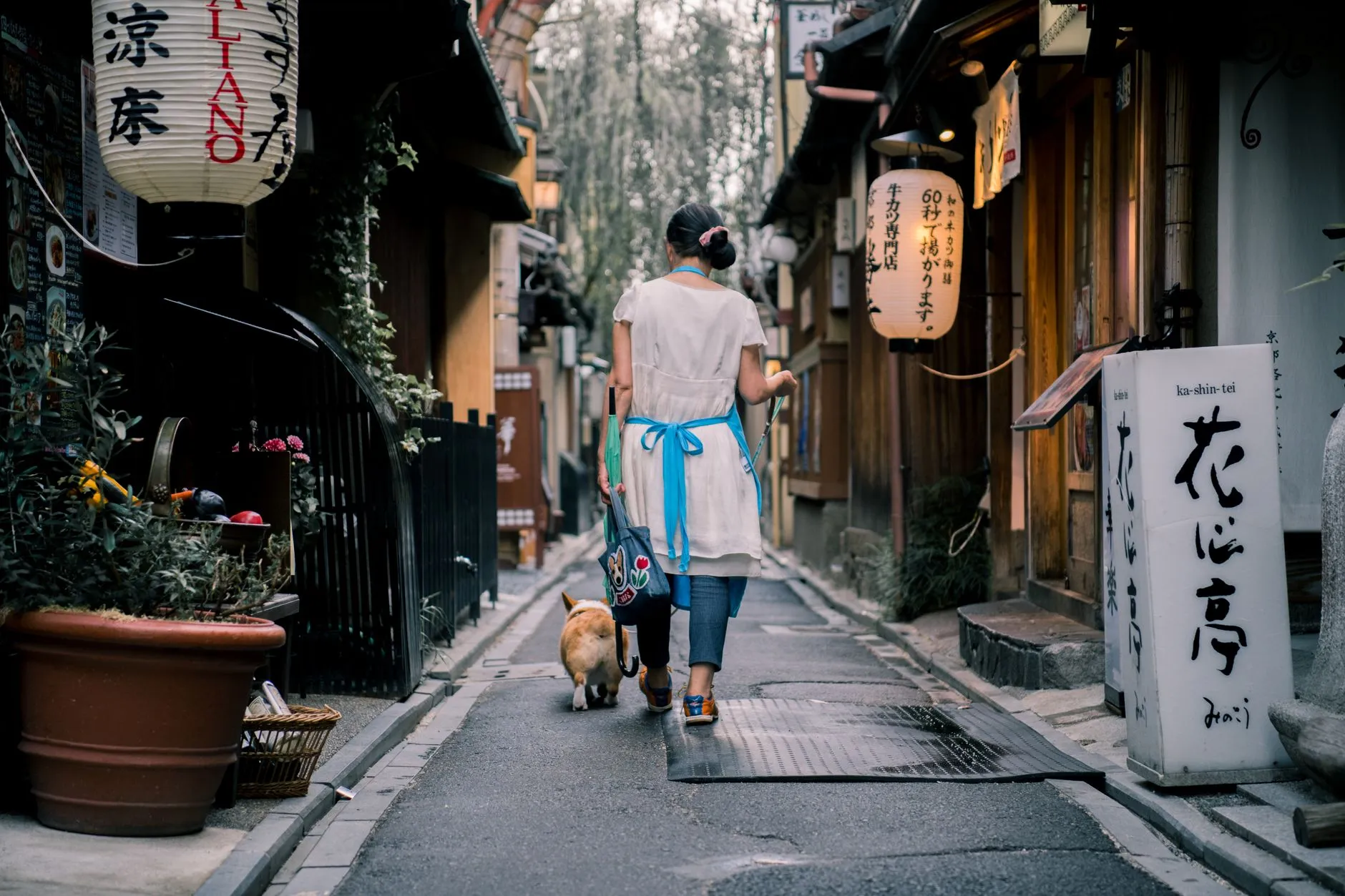
Summer: rain, humidity and high places
At the start of summer, most of Japan experiences a long rainy season. This is followed by a hot and humid period. City touring becomes tiring; museums, shopping centres and indoor venues are more sensible options for midday hours.
Who does summer suit?
- Those who can't shift their holiday to another season due to school or work schedules.
- Those who want to see festivals, firefly nights and fireworks shows.
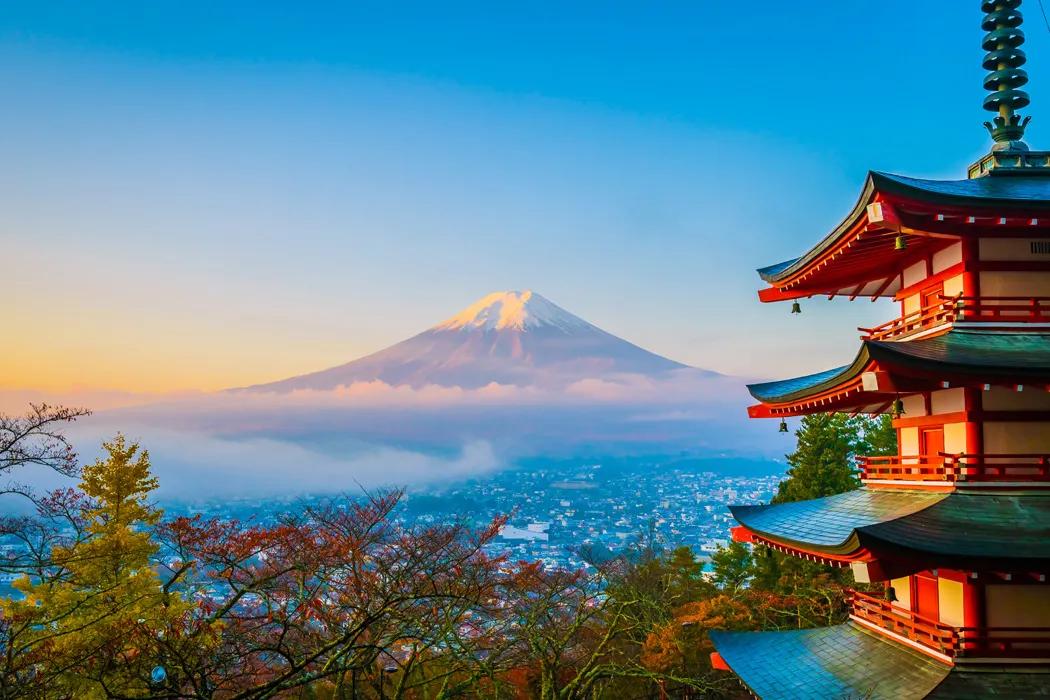
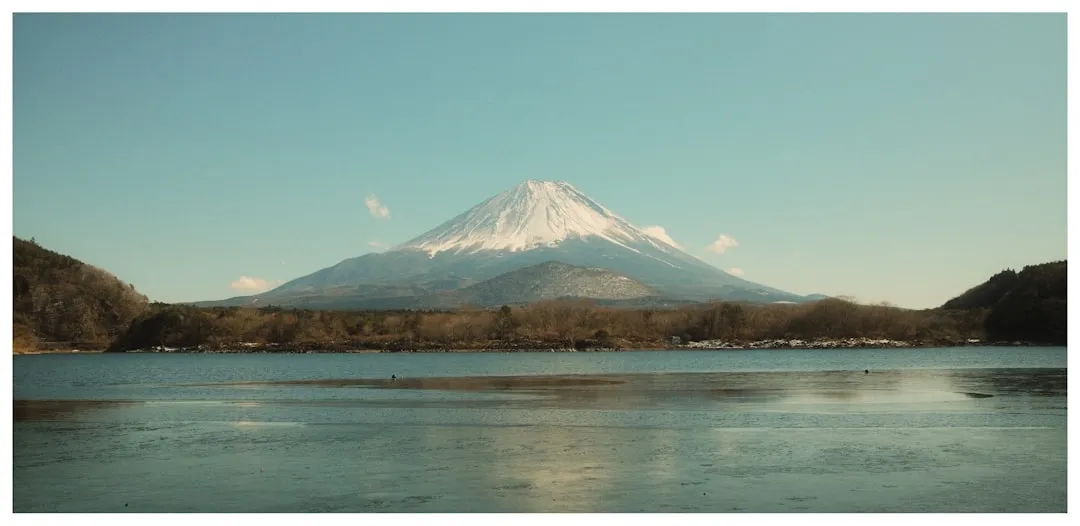
- Those planning mountain hikes or trips around Mount Fuji; high-altitude trails are only fully open during summer.
- Those seeking cooler weather: Hokkaido is more refreshing than the main island.
Things to watch out for:
- Shift your daily schedule to morning and evening; reserve midday for indoor venues.
- Bring light, quick-drying clothing and an umbrella.
- In southern islands like Okinawa, summer is the swimming season, but typhoon risk increases toward late summer; prefer flexible bookings.
Summer isn't always advantageous price-wise: domestic holiday periods make hotels more expensive. If your budget is limited, try edge weeks instead of mid-summer. Keeping the number of cities low on a summer trip saves you from frequently carrying luggage in humid weather.
Autumn: the most balanced season
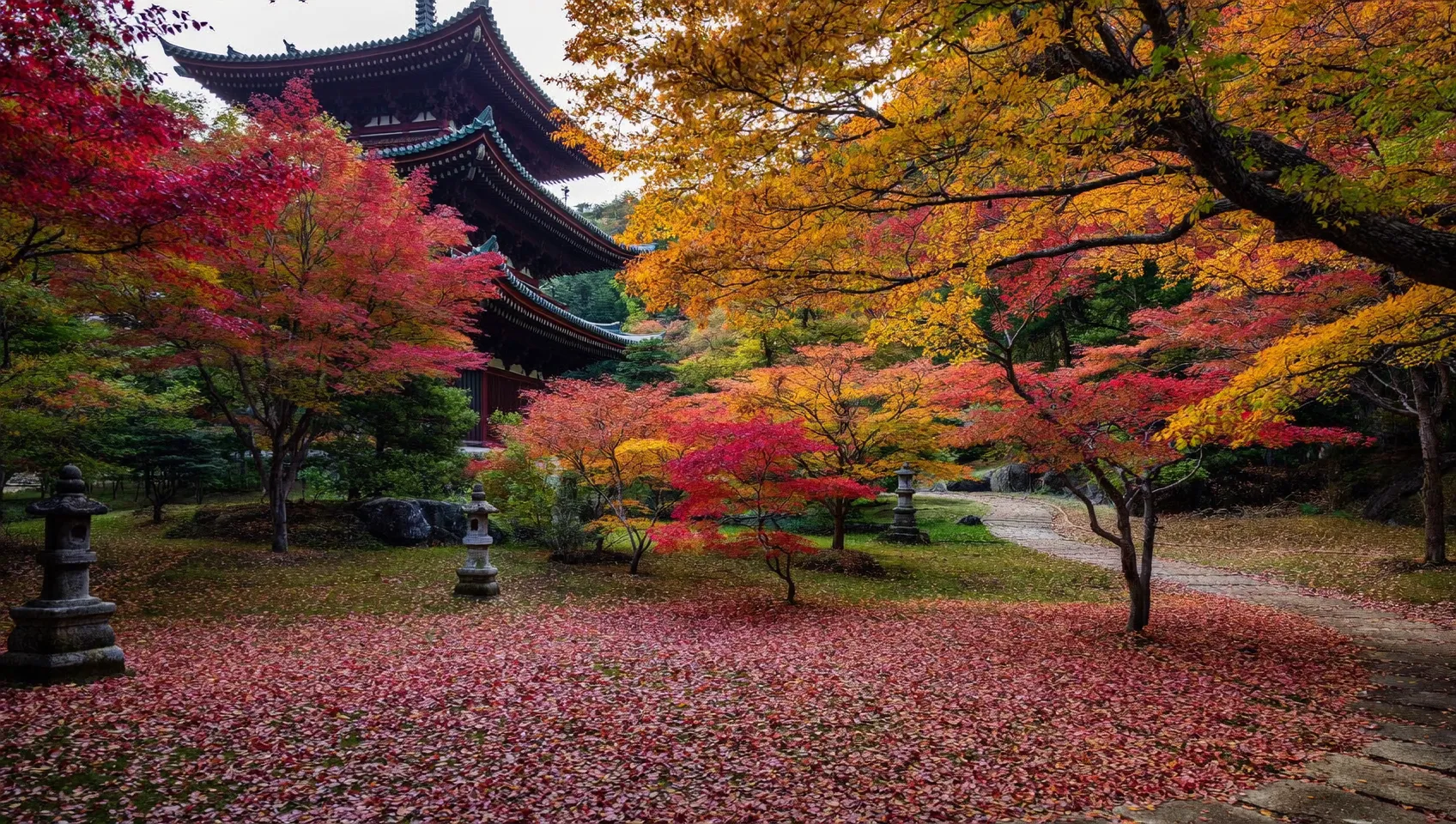
Autumn is the season we most recommend for first-time visitors. Summer humidity recedes, the sky clears, and leaf colours spread from north to south. The Tokyo, Kyoto and Osaka route is both comfortable and photogenic during this period.
October: Typhoon risk is still present early on; the weather stabilizes as the month progresses. Leaf colour starts first in Hokkaido and mountainous regions. There are ready-made tours departing during this period: Japan Tour Mystic Routes (KIX-NRT) begins on October 3, 2026 with a 9-day program.
November: Leaf peak usually falls in this month in central regions; Kyoto's temple gardens experience their most crowded time. Choose early mornings or weekdays in Kyoto.
Early December: While leaf colours continue in the south, New Year lights begin in the cities.
There are three decisions to make in this period: whether to go during leaf peak or the edge weeks, whether to schedule temple visits on weekdays, and how many months in advance to book accommodation. Book hotels early for peak weeks.
Japan isn't suitable for a short holiday bridge; set aside at least 7 days. For routes suitable for short holidays, see our October 29 4-day international route suggestions article.
Winter: calm cities, snow and onsen
Winter is a season that gets less attention than it deserves in Japan. The weather is generally dry and clear around Tokyo and Osaka; Kyoto calms down, and temples are less crowded. In the north and the Japanese Alps, however, heavy snow falls; this is the main season for ski enthusiasts.
Who does winter suit?
- Those who don't like crowds: seeing Kyoto and Nara calmly is possible in winter.
- Those who want an onsen experience: hot springs are more enjoyable in cold weather.
- Those who want to watch skiing and snow festivals: Hokkaido and mountain regions stand out.
- Those who love winter food: hot soups, seafood and hot pot dishes are part of the season.
Things to watch out for:
- Many businesses, restaurants and museums close for a few days during the New Year period. Check opening days before you go.
- Transportation delays may occur due to snow; leave buffer time for flight and train connections on northern routes.
- Dress in layers; indoor venues are warm while it's cold outside.
Set aside at least 7 days for a winter trip; if you add a snow region to your route, it's wise to add a few more days. If you're combining cities and a snow region in the same trip, order cities first, then the north; this way, a possible transportation delay won't affect your return flight.
Quick summary by month
The list below shows the general trend; small shifts may occur from year to year. Check the current weather forecast before your trip and finalize your calendar accordingly.
- January: Cold and dry; suitable for snow regions and onsen, cities are calm.
- February: The best month for skiing and snow festivals; weather is still cool on the main island.
- March: Winter is ending, cherry blossoms may begin in the south; weather is variable.
- April: The busiest month for cherry blossoms and hiking; early booking is essential.
- May: Green and refreshing; there's domestic holiday crowding at the start of the month.
- June: Rainy season begins; plan with a focus on museums and indoor venues.
- July: Hot and humid; festivals take place, mountain trails are open.
- August: The hottest and most humid month; Hokkaido or high places are suitable.
- September: Heat decreases but typhoon risk continues; make flexible bookings.
- October: Weather stabilizes; one of the safest months for first-time visitors.
- November: Leaf colour is at its peak; Kyoto is crowded, visit in the morning.
- December: Cold and dry; city lights are on, watch for New Year closures.
If you're going for the first time, prioritize April, October and November. If crowds bother you, prefer edge weeks like March, late May or early December.
Visa, length of stay and booking timing
Japan is visa-free for Turkish citizens. This information was confirmed from the official source on August 1, 2026. The permitted length of stay is 90 days. This is more than enough for a holiday trip; the main planning issue is the calendar.
Entry requirements, passport validity and customs rules may change. Before buying tickets, check our Japan visa and entry page; carry the necessary documents with you during your trip.
Booking order:
- First choose the season: cherry blossom, leaf colour or winter.
- Then determine the route: single city, Tokyo–Kyoto–Osaka, or will you add the north or south?
- Determine the flight and departure-return cities. Entering and exiting from different cities (e.g. entering via Osaka, exiting via Tokyo) removes the need to backtrack on the same route.
- Book the hotel; decide early during busy periods.
- Before your flight, check the steps in our how to do online check-in article and don't miss the window.
For cherry blossom and leaf peak season, prepare at least a few months ahead. You can be more flexible in winter and edge weeks. Check current flight and tour pages for flight durations and prices.
When to go by route
In Japan, the season varies by region. Instead of fixing your route to a single season, look at the region.
Tokyo
Tokyo can be visited any month of the year. Spring and autumn are the most comfortable months; head to indoor venues during midday in summer. Set aside at least 3 days for the city.
Kyoto and Osaka
Kyoto's temples are at their most beautiful in autumn and spring, but these are also the most crowded periods. Set aside at least 2 days for Kyoto, 1-2 days for Osaka. Osaka, with its food and nightlife, is suitable in any season.
Hokkaido
Hokkaido is preferred in winter for snow and skiing, and in summer for cool weather and green scenery. In spring, flowers bloom later than on the main island; it can be a second chance for those who missed cherry blossoms.
Okinawa
Okinawa is for beach holidays. There's a swimming season in summer months; factor in typhoon risk toward late summer. Make flexible bookings and set aside 3-4 days.
If you're combining two regions, pair the main route with one outer region (north or south). These two regions' seasons progress differently: in the same month, one might be hot while the other is cool. Pack your luggage accordingly and set aside extra time for transportation between regions; check flight and train connections before you go.
Ready-made tours: autumn departures
If you don't want to arrange the route and transportation yourself, there are tours departing in the coming period. The first departures of Japan tours currently on sale are in October 2026.
- Japan Tour Mystic Routes (KIX-NRT): 9-day program entering via Osaka and exiting via Tokyo. First departure October 3, 2026.
- Opportunity Japan Tour (All Tours Included): 9-day program. First departure October 3, 2026. Check the included tours on the page.
- Full Japan Tour Mystic Routes: 9-day program, first departure October 3, 2026.
- Grand Japan & South Korea from Start to Finish with Costa Serena: 18-day, combining cruise and land; first departure October 5, 2026.
Who suits which?
- If this is your first trip and you can set aside 9 days of holiday: one of the 9-day programs.
- For a longer holiday combining two countries: the 18-day cruise tour.
You can see all dates and departure options in the Japan tours list. When choosing a departure date, compare leaf peak timing, tour content and the pace of the itinerary.
Frequently asked questions
Which month is best to visit Japan?
For first-time visitors, the most balanced months are the cherry blossom period in spring and autumn between October and November. The weather is suitable for walking during these months, but crowds and demand are high. If you want a calmer trip, consider winter or edge weeks.
Can you travel to Japan without a visa?
Yes, Japan is visa-free for Turkish citizens. This information was confirmed from the official source on August 1, 2026. The permitted length of stay is 90 days. Check entry requirements on our country page before you go.
Can you visit Japan in summer?
You can, but the rainy season at the start of summer, followed by heat and humidity, can be challenging. Shift your daily schedule to morning and evening, reserving midday for indoor venues. For a cooler experience, you might consider Hokkaido or high-altitude regions.
Can you visit Japan in winter?
Yes. The weather around Tokyo and Osaka is generally dry and clear, and Kyoto is calm. Winter is ideal for those who want snow, skiing and onsen. Remember that some businesses may be closed during the New Year period.
When exactly do cherry blossoms bloom?
Cherry blossoms bloom from south to north in spring, and are short-lived everywhere. The exact timing may shift by a few days from year to year. Check up-to-date blooming forecasts before you go and include more than one city in your route.
How many days should I set aside for a trip to Japan?
We recommend at least 7 days for a first trip; 9-10 days is a comfortable duration for the Tokyo, Kyoto and Osaka route. If you add a northern or southern region, set aside a few more days. The permitted length of stay is 90 days; this limit isn't an obstacle to planning.
How far in advance should I book for Japan?
For cherry blossom and leaf peak season, it's good to start a few months ahead. You can be more flexible in winter and edge weeks. If you're choosing a ready-made tour, check departure dates on the tour page.
My Travel Team
Travel Editor
The My Travel team prepares up-to-date travel, visa and tourism information and guides.