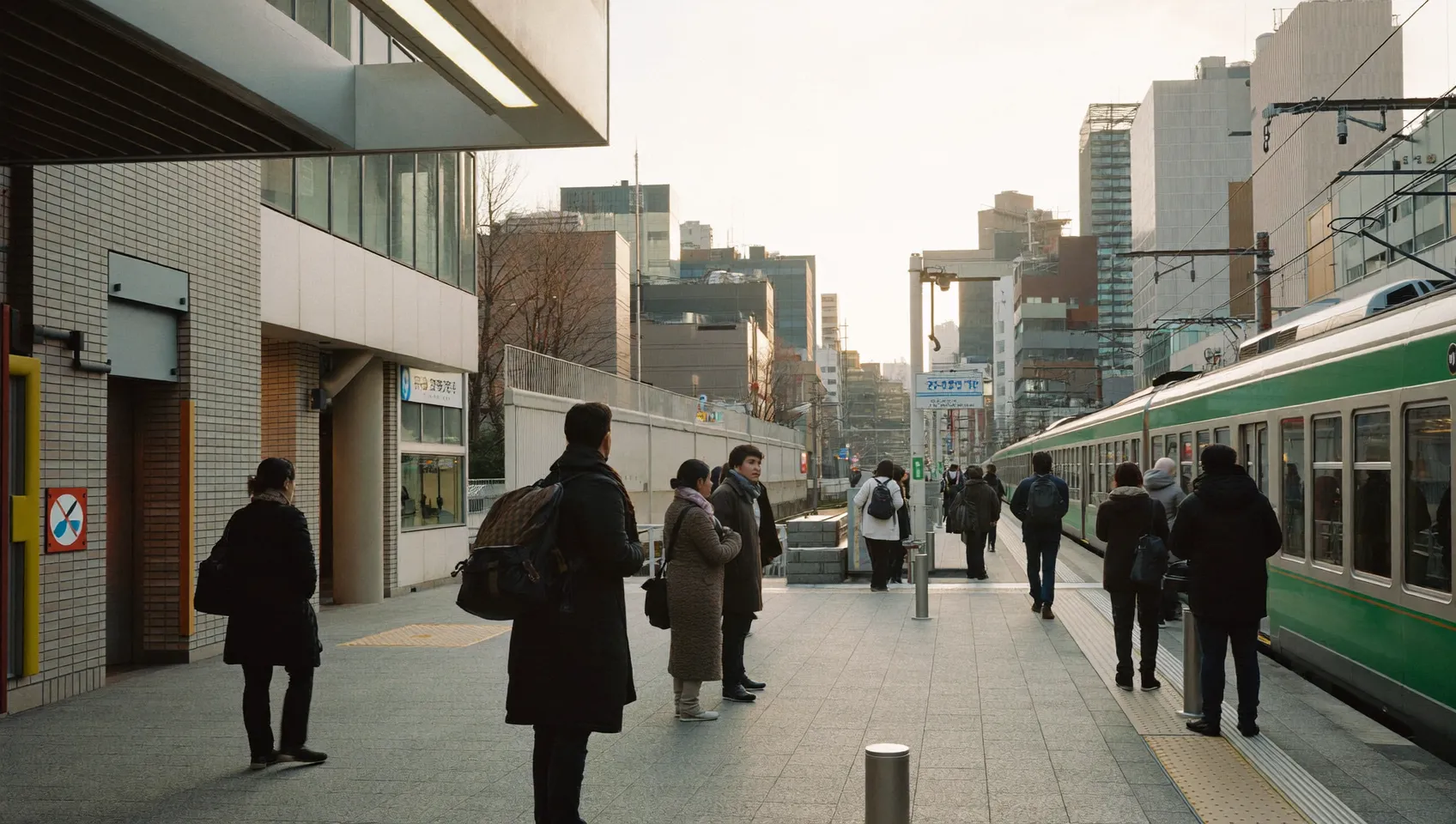
City transport in Japan runs on metro, JR lines, buses and taxis. This guide covers IC cards, day passes, credit card boarding and taxi rules.
City transport in Japan runs on metro, JR loop lines, buses and taxis; the most practical method is a prepaid IC card like Suica or PASMO. You simply tap the card on the reader and the fare is deducted automatically. This article explains when each mode of transport makes sense, where credit cards don't work, and what to prepare before you set off.
In brief
- The main transport is metro and JR lines; every city also has buses.
- An IC card like Suica or PASMO automatically deducts fares on major trains and buses.
- Tap-to-pay with a credit card is not available on JR lines, the Keisei Line or the Tokyo Monorail.
- Taxis are expensive over long distances; a late-night surcharge applies between 22:00 and 05:00.

The core rule: rail dominates within cities
Every major city in Japan has a metro line. In Tokyo, JR's Yamanote loop line, and in Osaka, the Kanjo loop line, circle around the city centre. Every city also has bus service. Taxis are complementary; useful for short distances or late at night.
The practical takeaway:
- Make metro and JR lines your main mode of transport.
- Try the bus in neighbourhoods the metro doesn't reach.
- Choose a taxi when you have luggage or are returning late at night.
Getting an IC card on day one reduces the hassle of calculating fares at the ticket machine for every ride. For visa matters, see the Japan country page; Turkish citizens do not need a visa and the permitted stay is 90 days. If you're planning intercity travel, think through your transport method according to your route as well.
IC cards: Suica and PASMO
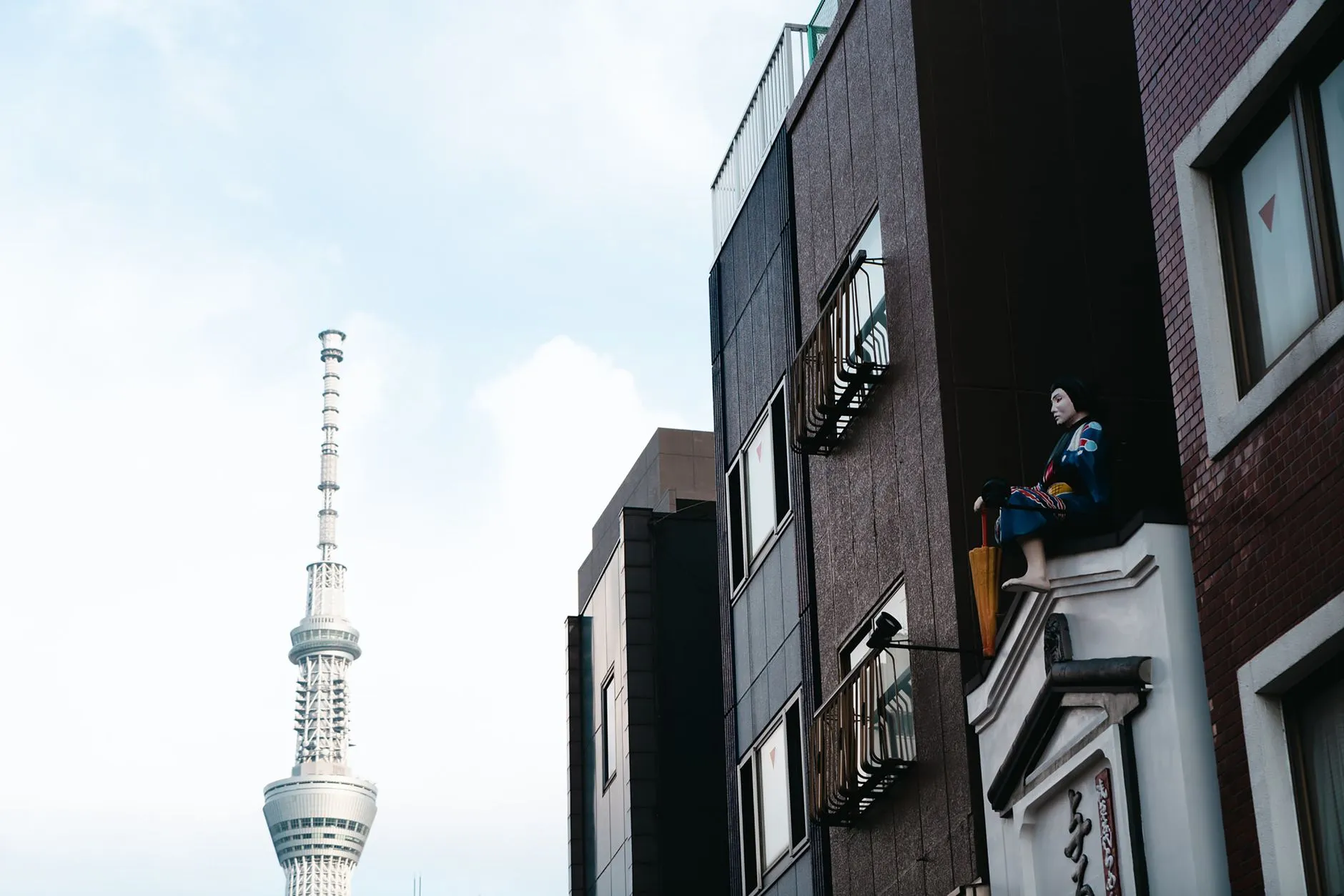
Suica and PASMO are prepaid IC cards topped up with cash. They are used on major train and bus services in the metropolitan area and in many other parts of Japan. You tap the card on the reader and the fare is deducted automatically; there is no need to select a ticket based on distance.
The versions aimed at foreign visitors are called Welcome Suica and Tourist Pasmo. These cards are sold with amounts starting from 1,000 yen; available amounts vary by point of sale. Check the current conditions posted at the point of sale.
The logic of use is simple:
- Tap the card on the reader and the fare is deducted automatically.
- The same card is also used on major bus services.
- Check which services the card covers before boarding; validity may not be the same for every operator.
Planning your remaining balance at the end of the trip avoids unnecessary top-ups.
Tokyo Free Kippu and credit card boarding
If you'll be using many lines throughout a day in Tokyo, the Tokyo Free Kippu (Tokyo Tour Ticket) is worth considering. The ticket is valid for one day on the Tokyo Metro, Toei subway, Toei buses, Toei Tokyo Sakura Tram, Nippori-Toneri Liner and JR lines within Tokyo's 23 wards. It costs 1,720 yen for adults and 860 yen for children.
This ticket may only pay off on busy sightseeing days. If you'll only make two or three short trips in a day, an IC card may be enough. Count the lines on that day's route to decide.
Tap-to-pay with a credit card
Many train and metro lines around Tokyo allow tap-to-pay with a credit card. This service is not available on JR lines, the Keisei Line or the Tokyo Monorail. That means you cannot tap a credit card on these lines. If you'll be using these lines, have an IC card or a ticket ready.
By city: Tokyo and Osaka
Tokyo
In Tokyo, Tokyo Metro, the Toei subway and JR lines operate together. JR's Yamanote loop line circles around the city centre. Check which operator you're transferring to: day passes are only valid on the lines they cover.
Osaka
Osaka has a metro line, and JR's Kanjo loop line circles around the city centre. Bus service is also available. Check which lines and bus operators your IC card covers before boarding.
If you're combining two cities in one trip, first decide how many days you'll spend in each city. For season and weather, the When to go to Japan article can help with your route decision.
Taxis: when they make sense, how they work
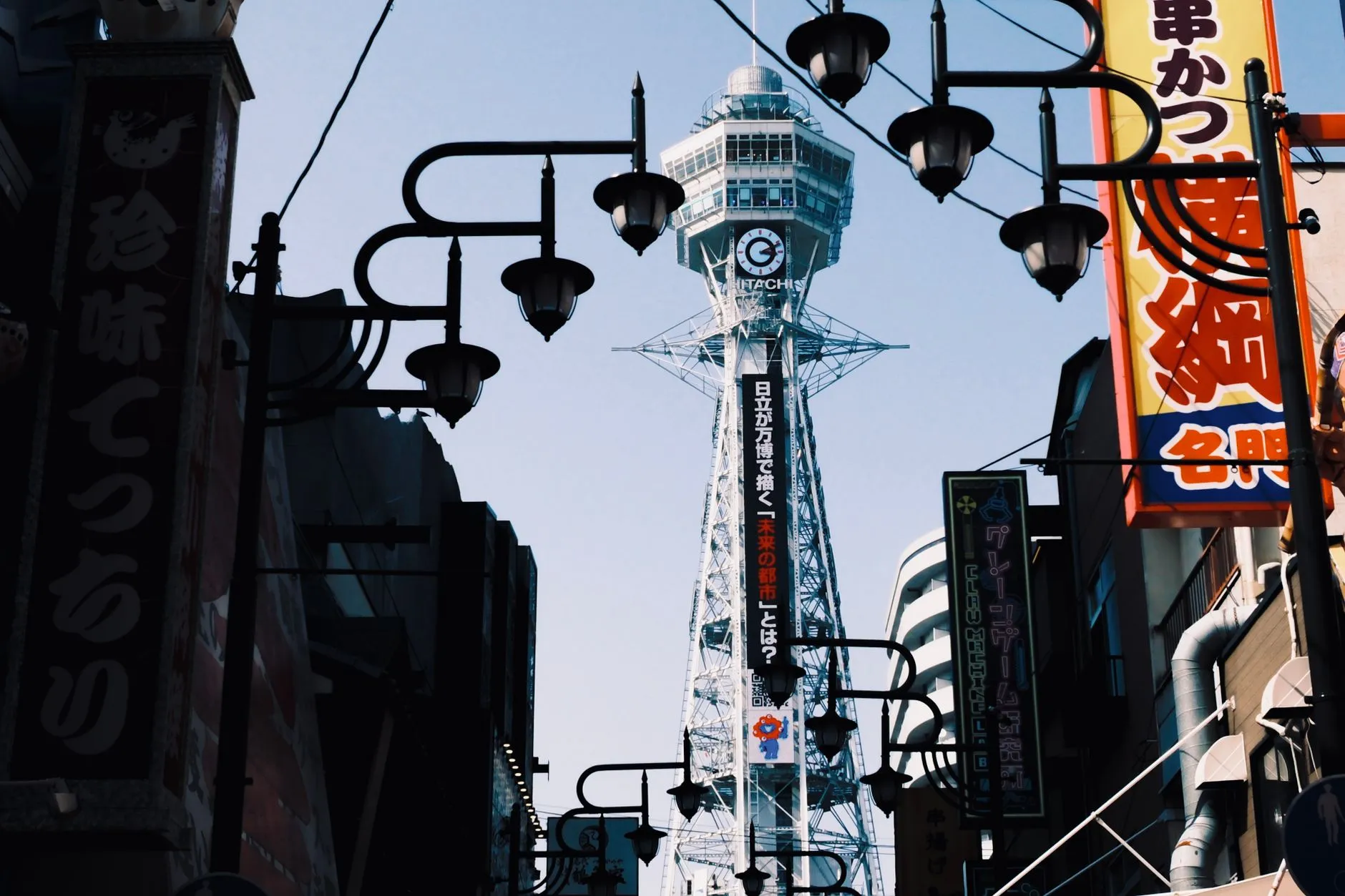
Taxi fares are calculated by distance via meter. Some fixed-fare routes to airports and major tourist spots are exceptions to this rule. A late-night surcharge applies between 22:00 and 05:00. The passenger pays any highway tolls.
A daytime trip of about 7 km taking roughly 25 minutes in Tokyo is expected to cost between 2,500 and 3,000 yen. This makes taxis an expensive option over long distances. Prefer them in these situations:
- When heading to your hotel with luggage and a metro transfer would be difficult.
- When returning after the last metro of the night.
- When the weather is bad and the stop is far away.
Payment can be made in cash or via cashless methods such as credit card.
Common mistakes
The most frequent mistakes travellers make are:
- Assuming tap-to-pay with a credit card works on every line. This service is not available on JR lines, the Keisei Line or the Tokyo Monorail.
- Buying a day pass every day. On days with fewer trips, an IC card may be more economical.
- Using a taxi over long distances. The late-night surcharge and highway tolls add up.
- Confusing operators at a transfer. Day passes are only valid on the lines they cover; check the coverage beforehand.
If you're travelling with a group tour, transfer and free-time details vary by itinerary; read the relevant tour's programme. You can compare itineraries by looking at the Japan tours currently on sale.
Step-by-step plan and checklist
Follow this order before you set off:
- Decide your route. Write down how many days you'll spend in which cities. If you want a ready-made programme, the Dolu Dolu Direct Flight Japan Tour route clarifies your city plan.
- Get an IC card. Look for a Welcome Suica or Tourist Pasmo point of sale; check the current conditions at the point of sale.
- Evaluate day passes day by day. Consider the Tokyo Free Kippu for days in Tokyo when you'll use many lines.
- Download the map in advance. This lets you access your route even if your internet connection is weak.
- Check the last metro time. Leave room for a taxi if you'll be returning late.
Checklist:
- Cash yen and credit card
- IC card and balance
- Pre-downloaded map
- A printout of your accommodation address in Latin letters
- For visa and stay conditions, see the Japan page
Frequently asked questions
What is the easiest way to get around within Japanese cities?
The easiest method is metro and JR lines. In Tokyo, the Yamanote, and in Osaka, the Kanjo loop line circle around the city centres. With a Suica or PASMO card, you don't need to choose a separate ticket for every ride.
What are Suica and PASMO cards, and where can you get them?
Both are prepaid IC cards topped up with cash. The versions for foreign visitors, Welcome Suica and Tourist Pasmo, are sold with amounts starting from 1,000 yen. Available amounts vary by point of sale.
Can you board the metro in Japan with a credit card?
Many train and metro lines around Tokyo allow tap-to-pay with a credit card. This service is not available on JR lines, the Keisei Line or the Tokyo Monorail. Keep an IC card or ticket ready for these lines.
Which lines is the Tokyo Free Kippu valid on?
It is valid for one day on the Tokyo Metro, Toei subway, Toei buses, Toei Tokyo Sakura Tram, Nippori-Toneri Liner and JR lines within Tokyo's 23 wards. It costs 1,720 yen for adults and 860 yen for children.
Are taxis expensive in Japan, and can you pay by card?
Fares are calculated by distance via meter. A daytime trip of about 7 km taking roughly 25 minutes in Tokyo is expected to cost between 2,500 and 3,000 yen. There is a late-night surcharge between 22:00 and 05:00; payment can be made in cash or via cashless methods such as credit card.
Do Turkish citizens need a visa for Japan?
No, Turkish citizens do not need a visa, and the permitted stay is 90 days. Check the Japan country page for the latest information.
Sources
- Cheap Tickets & IC Cards — gotokyo.org
- Taxis in Japan — japan.travel
- All Destinations, Zero Hassle: A Guide to Chartered Taxis in Japan — japan.travel
- City Transport — istanbul.tr.emb-japan.go.jp
My Travel Team
Travel Editor
The My Travel team prepares up-to-date travel, visa and tourism information and guides.