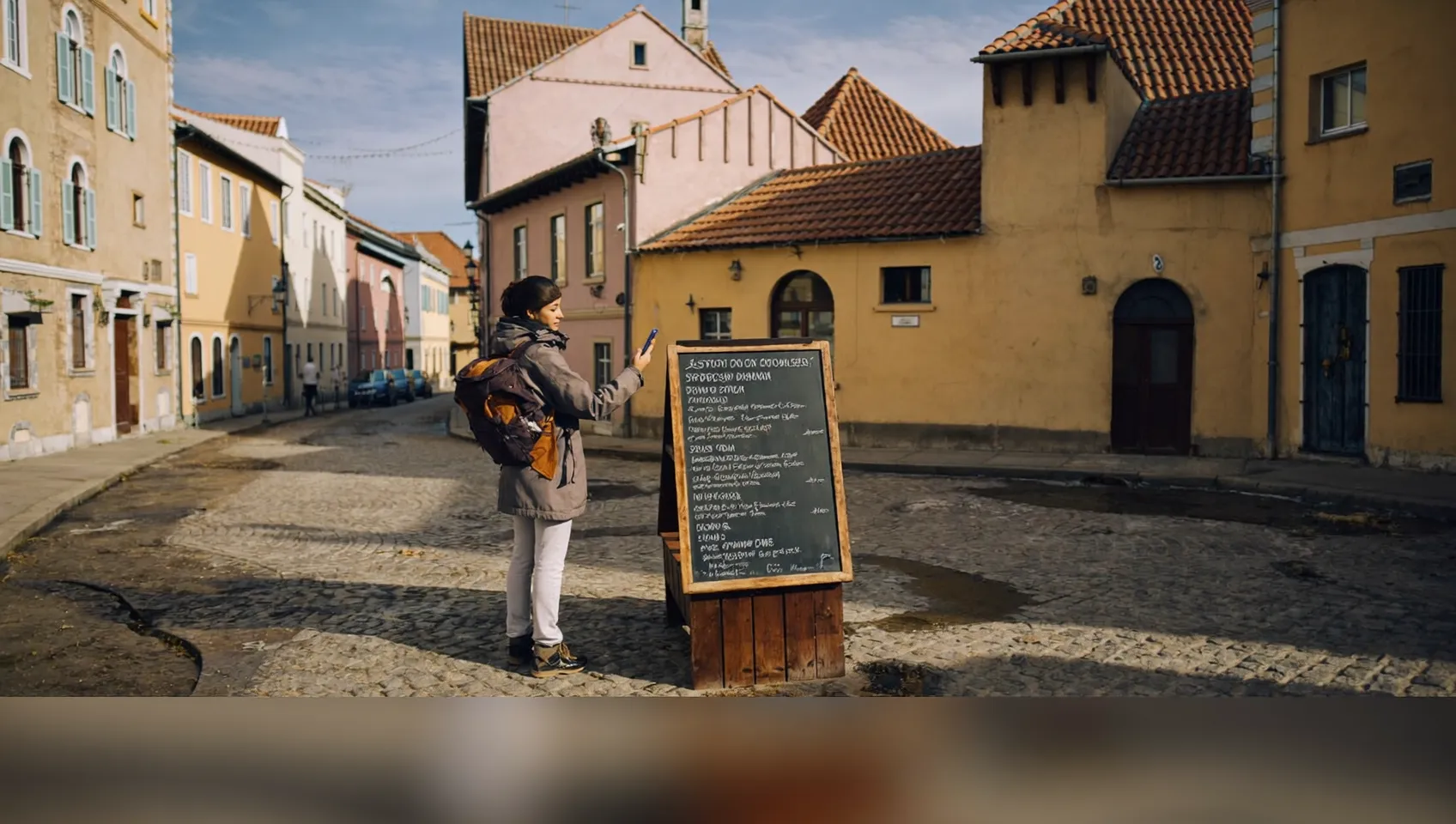
Safety for women travellers starts with following advisories, planning ahead, choosing transportation wisely and knowing local norms. Rules, common mistakes and a checklist inside.
Safety tips for women travellers include: follow Foreign Ministry travel advisories, make a safety plan in advance, avoid unofficial taxis, learn local clothing norms, and get travel insurance. Below you'll find the reasoning behind each rule, common mistakes, and a checklist to tick off before you set out.
In short
- Check Foreign Ministry travel advisories before booking and again right before departure.
- Avoid unofficial taxis and minibuses; use official taxis or pre-arranged transfers.
- Make a safety plan in advance and share your route with someone close to you.
- Research local clothing norms and laws related to women's health before you go.
- Get travel insurance; keep your passport and money secure.
The basic rule: don't take risks abroad that you wouldn't take in Turkey
The essence of safety can be summed up in one sentence: don't take risks abroad that you wouldn't take in Turkey. If you wouldn't walk down a deserted street at night, don't do it in a foreign city either. If you wouldn't get into a car alone with a stranger, don't do it on holiday either.
This rule has three implications for women travellers:
- Be more cautious on your first night in a new place; don't go out late before you know the surroundings.
- Don't let "holiday mode" lower your decision-making quality. Alcohol, fatigue and rushing increase the margin for error.
- Don't try to be polite in a situation that doesn't feel right. Leaving is reason enough.
The rule aims not to make you travel in fear, but to make you decide consciously. The sections below turn this principle into concrete steps.
Before you go: advisories, research and insurance
The first step in planning is to research the safety situation of the country you're visiting. Pay attention to the travel advisories on the websites of the Ministry of Foreign Affairs or the Embassy in the country you're visiting. Advisories can change; check twice — once before booking, and once right before departure.
Insurance
Without travel insurance, you may have to cover the full cost of any health problems you encounter abroad on your own. Read what your policy covers before you set out.
Women's health and laws
According to the US Department of State, in many countries laws affecting women's health may differ from those where you live. If you take medication regularly, find out in advance whether it is permitted in your destination country; consult the destination country's official sources on this matter.
Make a safety plan
According to the US Department of State, make a safety plan in advance in case you encounter unsafe situations. The plan doesn't need to be complicated; answering three questions is enough:
- Who will I call if something goes wrong? Save the contact information of someone you trust and of the Turkish representation in the country, both on your phone and on paper.
- Where will I go? Keep your hotel's address written in the local language; you can show it to a taxi driver even if your phone is dead.
- Will my family know where I am? Share your daily route with at least one person.
The US Department of State also suggests considering carrying a personal safety whistle or alarm. A small, lightweight alarm can be attached to the outside of your bag. Check your airline's current rules for carrying it on a flight.
Transportation and accommodation
According to the US Department of State, in many places unofficial taxis or minibuses can be dangerous, especially for women travelling alone. Plan your transportation in advance for this reason.
Practical transportation rules
- Prefer the official taxi queue at the airport or a transfer arranged by your hotel.
- Pass by people who approach you asking "do you need a taxi?"
- Before getting in, state the hotel address and route yourself; tell the driver the destination rather than letting them guide you.
- If your arrival time is at night, arrange your transfer in advance.
Accommodation
- Check reviews for notes about location and safety; check on a map whether the route back at night is well-lit and busy.
- Don't have your room number announced out loud; it's better to get it written down at reception.
- Check the door lock and window first thing.
Group tours come with transfer and accommodation arrangements already in place. In this respect, looking into overseas tours can be a reasonable starting point for those travelling alone for the first time.
Clothing, behaviour and local norms
According to the US Department of State, research the local customs and norms of your destination; rules or expectations regarding women's clothing and appearance may differ. This isn't a matter of rights, but a practical preparation: in some places, appropriate clothing in a narrow street or a place of worship reduces unwanted attention, and in others it's a condition for entry.
- Before you go, read about the general clothing expectations of the country and especially the city you'll visit.
- Pack a shawl or a light top that can cover your shoulders and knees.
- Observe how locals dress on your first day and adjust accordingly.
- You're not obligated to respond to a stranger's persistent attention; a short, clear "no" is enough.
Payment habits vary by country; knowing your cash needs in advance determines how much money you carry with you. For examples, you can check the articles on credit card acceptance in Egypt and payment in Germany.
Common mistakes
Mistakes travellers frequently make include:
- Carrying passport and money carelessly. Keep your passport and money secure throughout your time abroad. Don't keep all your money in one place; keep some cash or a spare card in the safe.
- Wearing flashy jewellery. Don't carry a lot of jewellery on you while travelling.
- Going without insurance. Health costs may end up being entirely your own responsibility.
- Not reading advisories. An advisory for a region may have been published after your booking.
- Not arranging a night arrival. Leaving the first night to chance increases transfer risk.
- Not accounting for phone battery. Maps, translation and communication are all on one device; bring a portable charger.
Each of these mistakes can be addressed by a check before you set out.
Pre-departure checklist
Start a week before departure and complete on the last day:
- I checked the Foreign Ministry travel advisories.
- I got travel insurance and saved the policy on my phone.
- My hotel address, transfer and arrival time are ready.
- I made my safety plan; I shared my route with someone close to me.
- I saved the contact information of the Turkish representation.
- I kept a photocopy and a photo of my passport in a separate place.
- I considered getting a personal alarm or whistle.
- I read the local clothing norms and set aside appropriate clothing.
- I found out the status of my medications in the destination country.
- I'll keep some cash or a spare card in the safe; I'll carry the rest with me in a separate place.
Frequently asked questions
Can women travel alone?
Yes, they can; but preparation is required. Read travel advisories, make a safety plan and research local norms. If it's your first time travelling alone, a group tour can be an easier start.
Which modes of transportation should women travelling alone avoid?
According to the US Department of State, in many places unofficial taxis or minibuses can be dangerous for women travelling alone. Prefer an official taxi, hotel transfer, or pre-arranged vehicle.
Where should I follow travel advisories?
Follow the travel advisories on the websites of the Ministry of Foreign Affairs or the Embassy in the country you're visiting. It's good to check twice — before booking and right before departure.
Should I bring a personal alarm?
The US Department of State suggests considering bringing a personal safety whistle or alarm. It's small and lightweight and can be attached to a bag. Check your airline's current rules for carrying it on a flight.
How should I dress abroad?
Research the customs and norms of your destination in advance; expectations regarding women's clothing and appearance may differ. Pack a shawl or a light top, and observe locals on the first day.
Is travel insurance necessary?
Without travel insurance, you may have to bear the full cost of any health problems abroad on your own. For this reason, it's recommended to get a policy before you set out.
Sources
My Travel Team
Travel Editor
The My Travel team prepares up-to-date travel, visa and tourism information and guides.