The currency in Germany is the euro. Credit cards work conditionally: card payment is widespread, but cash is also needed. Read where you need a card, where you need cash, and the checklist.
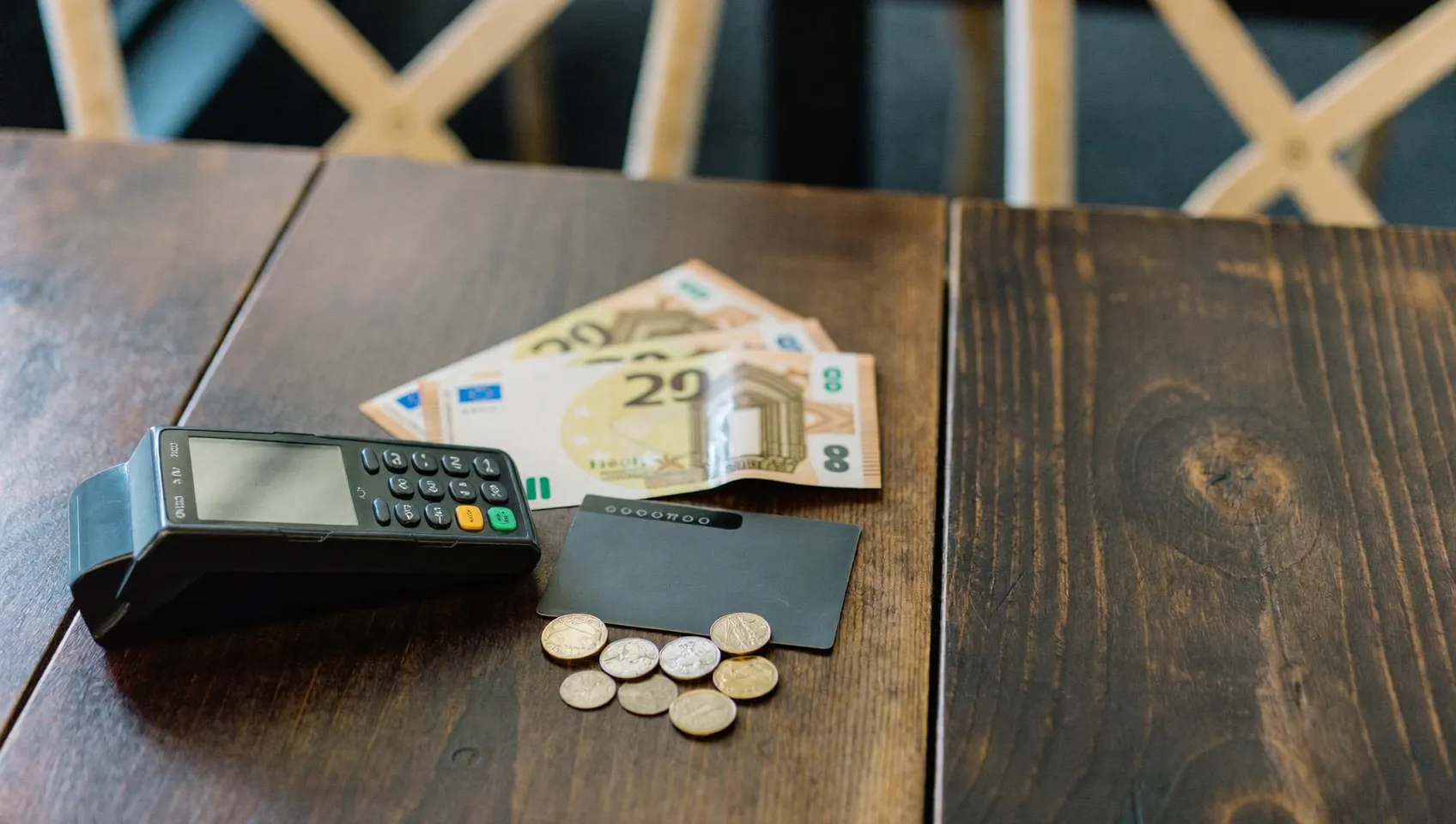
The answer to the question of whether the currency in Germany is the euro (€) and whether credit cards work is a conditional yes: card payment is widespread, but cash is still the most commonly used payment instrument by count. So bring both a card and a small amount of euros with you. Below you'll find where cards may cause problems, a cash plan, and a checklist before you set off.
In short
- The currency in Germany is the euro (€); lira and dollars are not accepted for daily payments.
- Card payment is widespread but cash is still the most commonly used instrument by count; carry both together.
- Enable your card for foreign transactions in advance; at the terminal choose to pay in euros, not lira.
- Keep a small amount of euro cash ready for small businesses, markets and tips.
- On multi-country routes, plan separately for countries that don't use the euro, such as Switzerland.

The essence of the rule: euro and a two-instrument payment plan
Germany is a member of the eurozone. The country has been in the eurozone since 1 January 1999, and euro banknotes and coins entered circulation on 1 January 2002. Since the currency is the euro (€), payments are made in euros; Turkish lira is not accepted, and the dollar is not a daily payment instrument either.
The correct framework regarding credit cards is this: in Germany in 2025, 55% of daily payments were cashless and 45% were made in cash. That means card and mobile payment are widespread, but cash is still the most commonly used payment instrument by count. This data does not show the acceptance rate of credit cards; it only says that cash still holds a serious place in Germany.
So set off with two instruments:
- A credit or debit card enabled for foreign use
- A small amount of euro cash for small transactions
For most travelers, this is the most comfortable plan. To determine how much you'll spend in which cities according to your route, check the Germany places to visit guide and work out your daily budget.
Where is a card needed, where is cash needed?
Card acceptance varies from business to business. We don't give an official figure for the acceptance rate on this page; so the practical rule should be "try the card, keep cash ready."
Places to try your card first
- Hotel and guesthouse bills
- Large store and supermarket chains
- Restaurants; ask the waiter whether you can pay by card before requesting the bill
- Urban transport and train tickets, mostly at ticket machines or via apps
Places to keep cash ready
- Market stalls and street vendors, for example open-air markets
- Small bakeries, kiosks and cafes
- Small fees such as restrooms, cloakrooms and lockers
- If you're leaving a tip, cash at the table is practical
Some businesses may only accept local debit cards or may reject foreign cards. In such a case, if you don't have a second card or cash, you may be left unable to pay. So don't rely on a single card; keep a second card somewhere different, such as in your suitcase or the hotel safe.
Things to watch out for when paying by card
Pay attention to three points when paying by card.
- Foreign usage permission: Check from your bank's mobile app that the card is enabled for foreign transactions and check your limit. Current conditions vary by bank.
- Currency selection: If the terminal asks "pay in lira" or "pay in euros," choose euros. The lira option usually applies the rate set by the terminal provider and the transaction may end up costing more.
- PIN and contactless payment: Know your card's PIN. Some terminals require a PIN, and contactless payment may also require a PIN once a certain amount is exceeded.
When you need cash, you can use an ATM with your card. Commission and daily limit vary by bank; learn the exact figure from your bank's current rules. If possible, choose an ATM belonging to or located inside a bank; independent machines on the street may charge extra fees. It's also possible to buy euros from a currency exchange office in Turkey; but compare the rate and commission at several places, and consider airport exchange offices as a last resort.
Exceptions and common mistakes
The most common mistakes travelers make regarding payment in Germany are as follows.
- Setting off with only a card: If your card gets blocked, lost, or rejected by the terminal, you have no alternative left. A small cash reserve covers this risk.
- Carrying only one card: Carry two different cards, preferably from different banks. Leaving one at the hotel also helps.
- Accepting payment in lira: Don't approve the conversion shown on the terminal; choose to pay in euros.
- Forgetting the foreign usage permission: If transactions are rejected abroad, calling the bank costs both time and phone expenses. Enable the permission before you set off.
- Trying to pay small amounts with a large banknote: Small businesses may have trouble with change; carry small banknotes and coins with you.
- Assuming the currency on a multi-country route: France, Belgium and the Netherlands use the euro. If you're crossing into Switzerland, the currency there is not the euro; the Swiss franc is valid, and you need to prepare separately for the card acceptance arrangement there.
Also, if you're making online payments with stored card information, test in advance whether your bank's verification message arrives while you're abroad.
Step by step: payment plan before you set off
Follow the sequence below.
- Clarify your visa status. Turkish citizens need a Schengen visa for Germany; the permitted stay is 90 days / 180 days. The application processing time is 15 days and may extend to 45 days; the visa fee is €90. For current conditions, check our Germany visa page. Factor in the visa fee before working out your budget.
- Call your bank or check the app. Confirm that the card is enabled for foreign use, and verify the limit, commission and ATM fee.
- Determine the cash amount. Make a brief daily estimate for expenses such as markets, tips, small cafes and transport; cover the rest with your card.
- Get euros in advance. Have a small amount of euros with you for the first day; this way you won't be under exchange-rate pressure at the airport.
- Separate your cards. Keep the second card and part of your cash in different places.
- Set up the app. Have your bank's mobile app with you; you can lock or re-enable the card from there if needed.
If you're preparing on the airline side, also check our online check-in guide.
Checklist before you set off and tour options
Review this list a day before departure:
- Is your passport and Schengen visa valid?
- Is your credit or debit card enabled for foreign transactions?
- Do you have a second card or backup payment method?
- Is euro cash ready for the first few days?
- Do you know you'll choose the "pay in euros" option at the terminal?
- Do you remember your card's PIN?
- Is the bank's customer service phone number, accessible from abroad, saved on your phone?
- Is there a country on your route that uses a currency other than the euro?
If you don't want to manage the payment arrangement yourself, an organized tour makes this easier; since accommodation, transport and itinerary items are clarified within the tour scope, the card and cash plan remains limited to personal expenses only. For routes including Germany, you can check the Germany options in our international tours. For example, the Benelux & France & Germany Deal Tour lasts 8 days and its first departure is on 2026-10-10. Check the included services and payment conditions on the tour page.
Frequently asked questions
What is the currency in Germany?
The currency in Germany is the euro (€). The country has been a member of the eurozone since 1 January 1999; euro banknotes and coins entered circulation on 1 January 2002. Payment is not made in Turkish lira or dollars.
Does credit card work in Germany?
Conditionally yes: card and mobile payment are widespread, but not every business accepts them. Small businesses and market stalls may require cash. So keep a small amount of euros alongside your card.
Is cash or card used more in Germany?
In Germany in 2025, 55% of daily payments were cashless and 45% were made in cash. The share of cashless payment is higher, but cash continues to be the single most commonly used payment instrument by count. So it makes sense to carry both together.
Should I get euros in advance before going to Germany?
It's a good idea to get a small amount of euros for the first days' expenses such as transport, small cafes and tips. You can cover the rest with your card or withdraw from an ATM. Compare the rate and commission in advance.
What should I do when the terminal in Germany asks whether I want to choose lira or euro?
Choose to pay in euros. The lira option usually applies a conversion at the rate set by the terminal provider and the transaction may become more expensive. When euro is chosen, the conversion is done by the card-issuing bank.
Is a visa required for Germany?
Yes, Turkish citizens need a Schengen visa. The permitted stay is 90 days / 180 days. The application processing time is 15 days and may extend to 45 days; the visa fee is €90.
Sources
- germany and euro en — economy-finance.ec.europa.eu
- Zahlungsverhalten in Deutschland 2025 Stand: Juli 2026 — bundesbank.de
My Travel Team
Travel Editor
The My Travel team prepares up-to-date travel, visa and tourism information and guides.