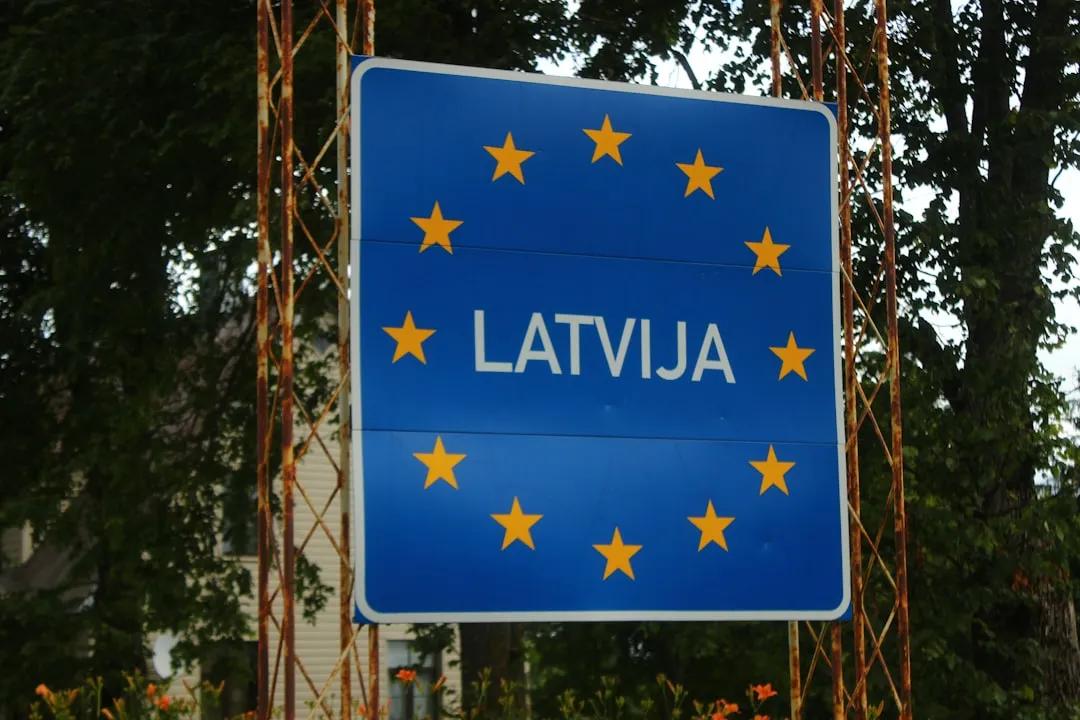
Choose the best month to visit Latvia based on your purpose: weather, routes, day counts and visa timing for summer, shoulder seasons, autumn and New Year.
The short answer to when to visit Latvia: June–August for cities, coast and nature, December for winter atmosphere and Christmas markets. May and September are quieter options. Turkish citizens need a visa; first decide your travel date range, then apply for the visa. Below you'll find the weather, routes and planning order by month.
In brief
- Choose June–August for general travel, May and September for a quieter trip, and December for New Year.
- Allocate at least 3 days to Riga in every season; Jurmala, Sigulda and Cesis can be added as day trips.
- Decide the date range first, then apply for the visa; don't buy non-refundable tickets before approval arrives.
- November and February are the weakest months; plan an indoor-focused itinerary during these months.
Short answer: choose the month based on your purpose
There's no single "best month" for Latvia; the right month depends on what you want to do. Use the list below as a decision table:
- City trips, coast and outdoor activities: June–August.
- Crowd-free travel, mild weather: May and September.
- Autumn colours and forest hikes: Late September to early October.
- Christmas markets and winter atmosphere: December.
- Least recommended period: November and February; days are short, weather is mostly grey.
Latvia is a Baltic country; its climate is cool and variable. We don't give exact temperature figures in this article, because year-to-year variation is significant. Check the forecast for your travel week a few days before departure and pack accordingly.
The practical rule is this: choose summer if you want sun, long evenings and outdoor time; choose the shoulder seasons if you want a calm city with reasonable crowds; choose December if you want lit-up markets and winter weather. Whichever month you choose, the backbone of the route will be Riga, and allocating at least 3 days to Riga is the constant measure of this guide. In the following sections we give, in order, where to go and how many days to allocate for each season.
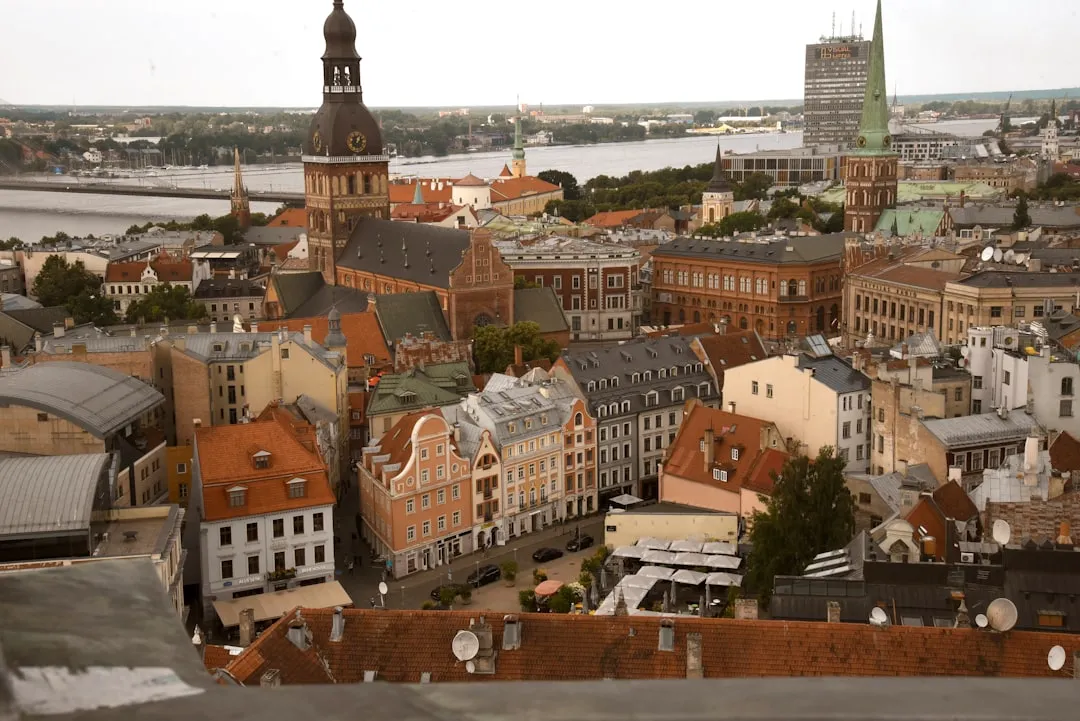
Spring: March–May, a transition period
March and April are still a transition between winter and spring in Latvia. Trees are bare, and the weather can be cool and rainy. These months don't suit a nature-focused trip; they make sense if you're planning a Riga itinerary focused on museums, cafés and indoor spaces. In this case too, allocate 3 days to Riga and don't add a nature route.
May, on the other hand, is the first month we genuinely recommend. Parks turn green, days get longer, city terraces open, and the summer crowds haven't arrived yet. It's a good time to walk around Riga and spend time in the Art Nouveau district and the Old Town.
Suggested plan for May
- Allocate at least 3 days to Riga: Old Town, Art Nouveau façades, Central Market.
- For the fourth day, choose either Sigulda or Jurmala; don't try to squeeze both in.
- Dress in layers; the morning and evening chill can differ noticeably from midday.
The chance of rain is high in spring. A lightweight waterproof jacket and comfortable, non-slip shoes are essential. Don't expect to swim at the coast; Jurmala beach is a place for walking during this period, not swimming.
Summer: June–August, the busiest and most comfortable season
Summer is the safest choice for visiting Latvia. Days are very long, and it's possible to sit outdoors until late in the evening. Coastal areas, castle routes, forest hikes and countryside trips are most rewarding during these months.
At the end of June, on 23–24 June, the Jāņi celebrations linked to the summer solstice take place; there's a local festive mood across the country. Some businesses may be briefly closed during these days; if your trip coincides with the celebration dates, check hotel and restaurant hours in advance.
July and August are the busiest months. Book hotels and flights early; weekends fill up quickly, especially in Riga and Jurmala.
Making the most of summer
- Allocate 3 days to Riga, 1 day to the coast (Jurmala), and 2 days to the Sigulda–Cesis line.
- A total of one week is a sufficient framework for first-time visitors.
- Even if you spend a long time at the beach, be prepared for wind and cool sea water; don't go expecting a Mediterranean experience.
Rain is also seen in summer. Plan an indoor alternative (museum, market, café) for each day so your schedule isn't disrupted if the weather turns. Don't forget to pack a thin raincoat.
Autumn: September–November, colours and quiet
September is as easy as summer, but a quieter month. Crowds thin out while the weather is still suitable for sightseeing. It can be a better choice than summer for travellers who dislike crowds.
October is the month for nature-focused travellers. Around Gauja National Park, along the Sigulda and Cesis line, the leaves change colour. If you plan to hike, consider this period; but accept that the weather is cool and some days are rainy.
November, however, is Latvia's toughest month. Days get shorter, the sky is often overcast, and some seasonal facilities close. If you're choosing November only because of a good deal or flight schedule, build the itinerary around Riga's museums and cafés.
Practical decisions for autumn
- September: Riga 3 days + Jurmala or Sigulda 1 day.
- October: Riga 3 days + 2 days in the Gauja region (by car or organised tour).
- November: Riga 3 days; don't add a nature route.
In autumn, waterproof shoes, a hat and gloves go into the suitcase. Since evening light fades early, concentrate outdoor plans into daylight hours. In October, schedule the Gauja day after Riga, not before; you can swap the order of the two days depending on the weather.
Winter and New Year: December–February
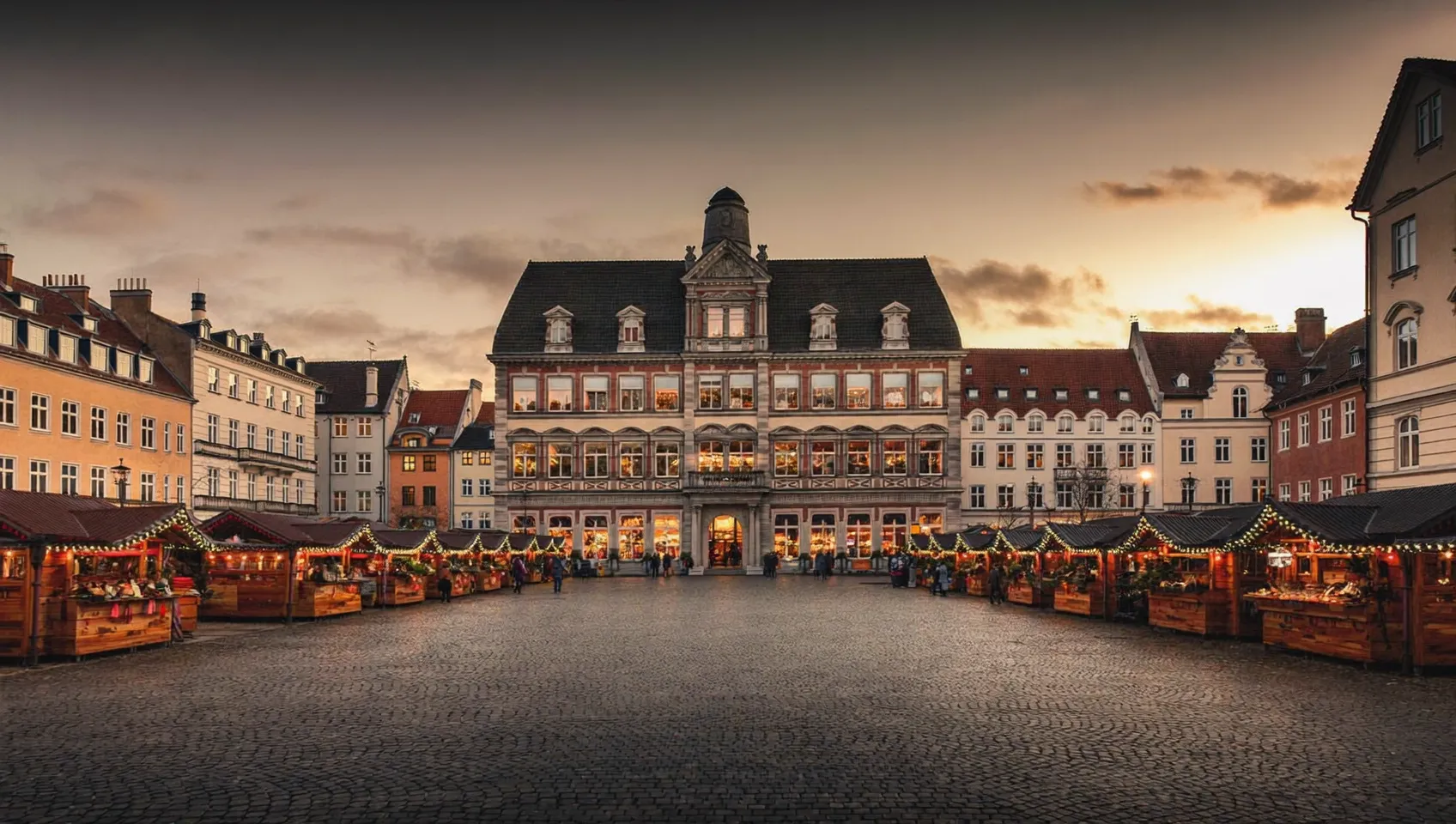
December is the strongest month of winter. Christmas markets are set up in Riga's Old Town squares, with wooden stalls and lights giving the city a festive mood. There's a chance of cold, snow and ice; during this period, non-slip soles are as important as good walking shoes.
If you want to spend New Year's in Riga, organised tours work well; flight, hotel and itinerary come in a single package. The 2-Country Baltic Tour: Riga & Tallinn with Turkish Airlines, Special New Year 3 Nights 4 Days program is a suitable format for those who want to see Latvia and Estonia in a short time; confirm the departure dates on the tour page. This tour allocates less than 3 days to Riga; it's an introductory program. If you want to see Riga in depth, build a separate Riga plan.
January and February pass cold, dark and quiet. They can be appealing in terms of price and crowds; however, the trip largely relies on indoor venues. We don't recommend coastal and nature routes during these months.
Preparation for winter
- Layered, warm clothing; gloves, hat, scarf.
- Non-slip boots.
- Advance reservations for dinners, especially during New Year's week.
If you're travelling independently in winter, still allocate 3 days to Riga; since daylight is short, leave museums and the market for the morning and the lit-up squares for the evening.
Routes: how many days, in what order
Latvia is a small country; but building the route in sequence saves time. If you're visiting for the first time, follow this order.
Riga: the main base
Allocate at least 3 days to Riga. On the first day, the Old Town and squares; on the second day, the Art Nouveau district and the Central Market; on the third day, museums or the riverside. Keeping accommodation in Riga and making day trips is less tiring than changing hotels.
Jurmala: the coast
A one-day coastal trip for summer. It has wooden villas and a long beach. Its appeal drops in winter and November.
Sigulda and Cesis: castles and nature
The Gauja region stands out with medieval castles and hiking trails. If you allocate two days, you can see both. May and October are the best choices for this route.
Kuldiga: a quiet town
Known for its wide waterfall and old wooden houses. It can be added if you have more than a week; otherwise, skip it.
Combination suggestion: If you're planning a single-country trip, Riga plus one nature route is enough. If you're considering a Baltic route, pair Riga with Tallinn; check current schedules for transport and duration planning. For current programs for this country, you can check the Latvia tours page.
Visa and application timeline
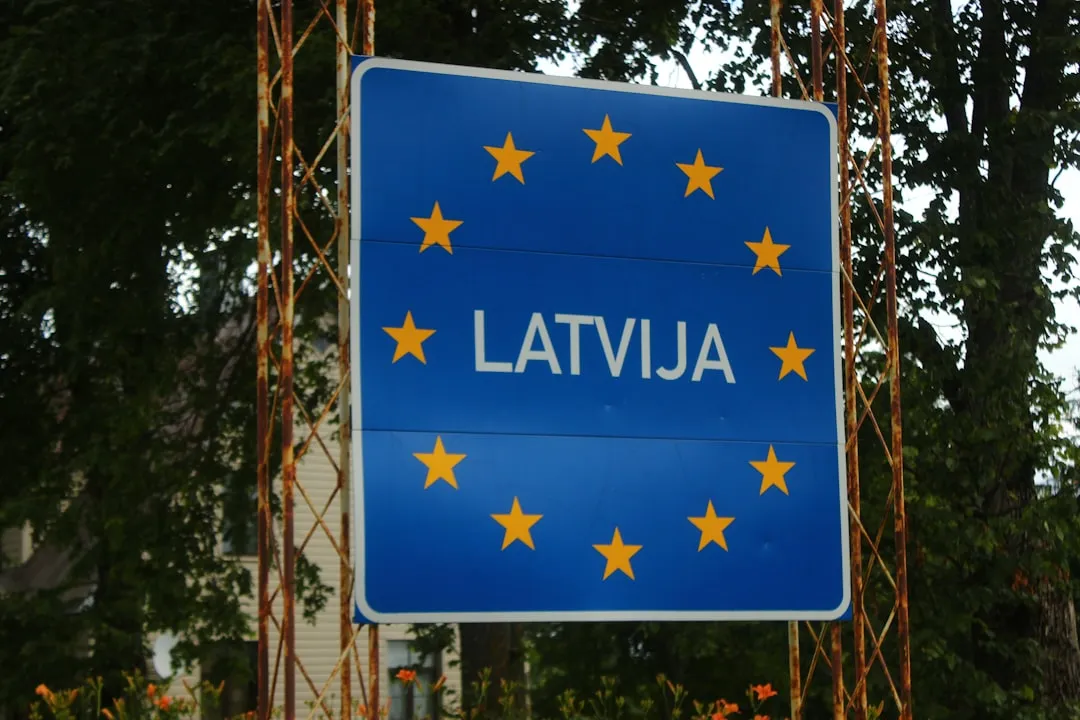
A Latvia visa is required for Turkish citizens. That's why, alongside "when to go," you should also ask "when to apply." For current requirements, the document list and application steps, check our Latvia visa page; verify the duration and fee information there.
The planning order should be as follows:
- Decide the travel date range (for example, late June or December).
- Start gathering the documents listed on the visa page.
- Book the appointment and submit the application well before the travel date.
- Don't purchase non-refundable flights before the visa approval arrives.
- Finalise the hotel and flight after approval.
During busy periods like summer and New Year, getting an appointment can become difficult. That's why we recommend acting in September–October for December trips, and in spring for summer trips.
If your application is rejected, don't panic; you can find detailed options for appeals and reapplication in our article on what to do after a visa rejection.
If you're buying an organised tour, ask the agency upfront how much support they provide regarding visa documents and appointments.
Transport, gear and final checklist
You don't need a car for a city trip; Riga is easy to explore on foot and by public transport. Renting a car or taking a day tour makes sense for the Gauja region, Kuldiga or rural routes. If you plan to rent a car, clarify the driving licence requirements in advance; our article on how to get an international driving licence explains the documents and steps. Verify the rental terms separately with the company.
Packing by season
- Summer: Light but layered clothing, a thin raincoat, comfortable shoes.
- Spring and autumn: Waterproof jacket, closed shoes, a hat.
- Winter: Thermal underwear, boots, gloves, a beanie.
Final checks before departure
- Passport and visa validity.
- Travel health insurance.
- The hotel's cancellation terms.
- Whether seasonal facilities are open (especially between November and April).
- The weather forecast for your travel week.
If you're having trouble deciding, use this summary: if it's your first time, choose June or September; if you want New Year's atmosphere, choose December; if you want hiking, choose May or October. Whichever you choose, fix the date range first, then move on to the visa application.
Frequently asked questions
What is the best month to visit Latvia?
The most suitable period for cities, the coast and nature is between June and August. If you want a quieter trip, choose May or September. If you're looking for winter atmosphere, December is suitable.
Can you visit Latvia in November?
You can, but it's one of the toughest months; days are short and the weather is mostly overcast. Build the itinerary around Riga's museums and cafés, and don't add a nature route. If the price or flight schedule is advantageous, a city break makes sense.
Is Riga suitable for spending New Year's?
Yes, the Christmas markets and lighting in Riga's Old Town are a good reason to visit. Winter clothing and non-slip shoes are needed. If you're looking for an organised option, you can check the Riga & Tallinn New Year's tour.
Can Turks travel to Latvia without a visa?
No, a Latvia visa is required for Turkish citizens. Check our visa page for documents and application steps. First decide your travel date range, then calculate the application timeline based on this date.
How many days are enough in Latvia?
Allocate at least 3 days to Riga. If you add a one-day coastal or castle trip, 4 to 5 days is a good framework. If you also want to cover nature routes, a week is more comfortable.
Can you swim in the sea in Latvia?
In summer, some people swim at Jurmala and other coastal beaches, but the Baltic Sea is cool and windy. Instead of going with beach-holiday expectations, plan the coast as part of the sightseeing route.
My Travel Team
Travel Editor
The My Travel team prepares up-to-date travel, visa and tourism information and guides.