The minibar is chargeable in most hotels, and consumed items are added to the room bill. This article covers cabinet types, package differences, how to dispute charges, and a checklist.
Is the minibar free in hotels? Most of the time, no: any item you open or move is added to your room bill. Some hotels offer items like water or coffee for free; this is determined by the reservation terms and the price list on top of the cabinet. Below you'll find cabinet types, exceptions, how to dispute a charge, and a checklist.
In short
- Assume the minibar is chargeable unless stated otherwise; consumed items are added to the room bill.
- In sensor-equipped cabinets, even moving an item out of place can trigger a charge; the allowed time varies by hotel.
- Ask before booking whether the all-inclusive package covers the minibar in the room.
- At check-out, read the bill line by line and dispute any incorrect item at reception.
The core rule: everything consumed is billed to the room
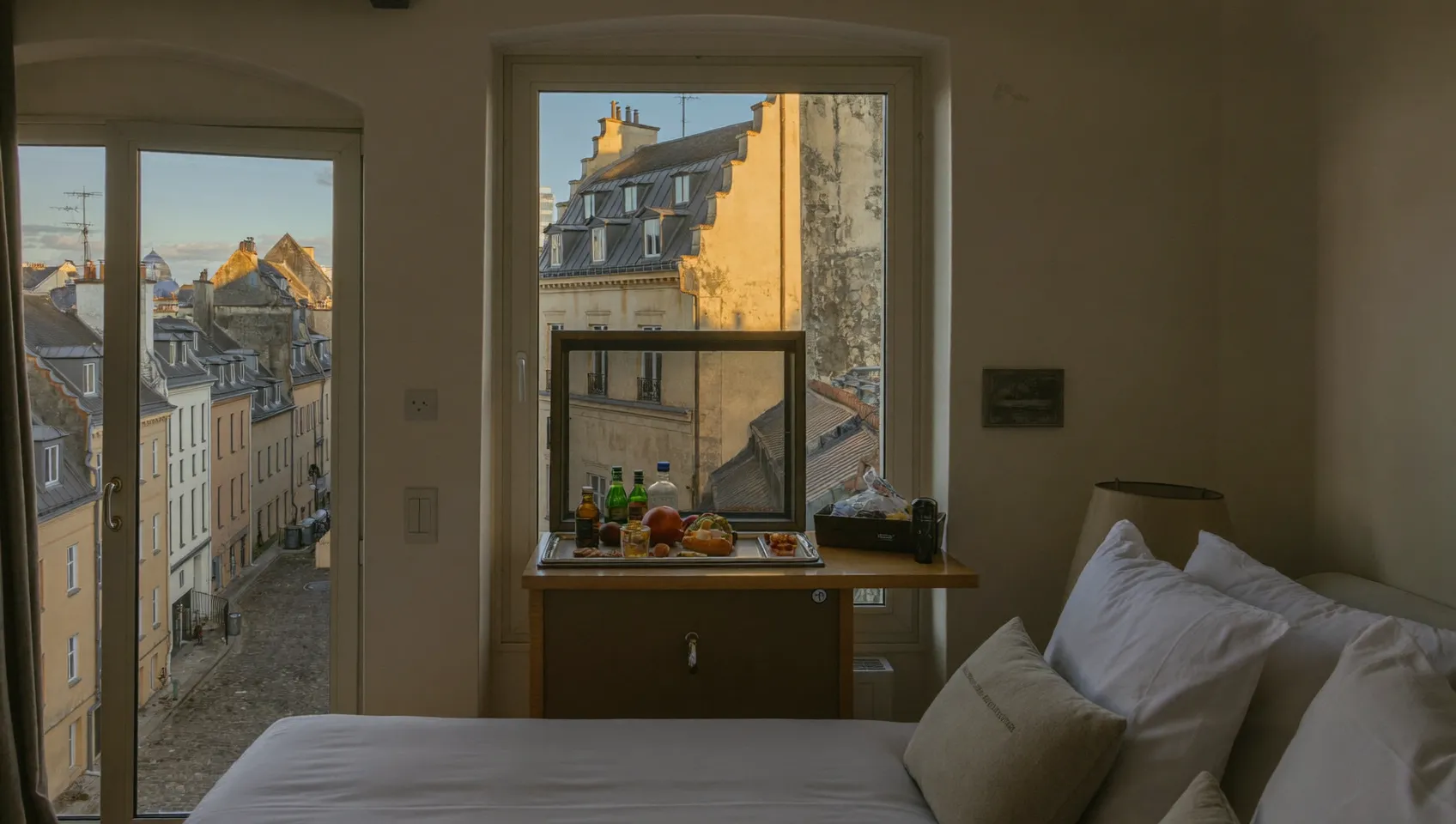
The minibar is the small cabinet in the room, and the items inside are products sold by the hotel. The rule is simple: any item you consume or remove from the cabinet without putting it back is charged to your room. The bill is settled along with other charges at check-out.
Assume the minibar is chargeable unless it is explicitly stated to be free. You can find out whether it's free from three sources:
- the room and package terms in your reservation confirmation,
- the price list on or near the cabinet,
- the reception desk.
The only valid source for the amount is the hotel's own price list. We don't provide figures on this page, because prices vary by hotel, city, and product. You can use the hotel search page to read room and amenity details before booking. If any item is unclear, ask the hotel in writing before your stay and keep the response you receive.
Minibar types and how billing works
Not all minibars work the same way. How the bill is generated depends on the type of cabinet; understanding which type you're dealing with when you enter the room is the first step.
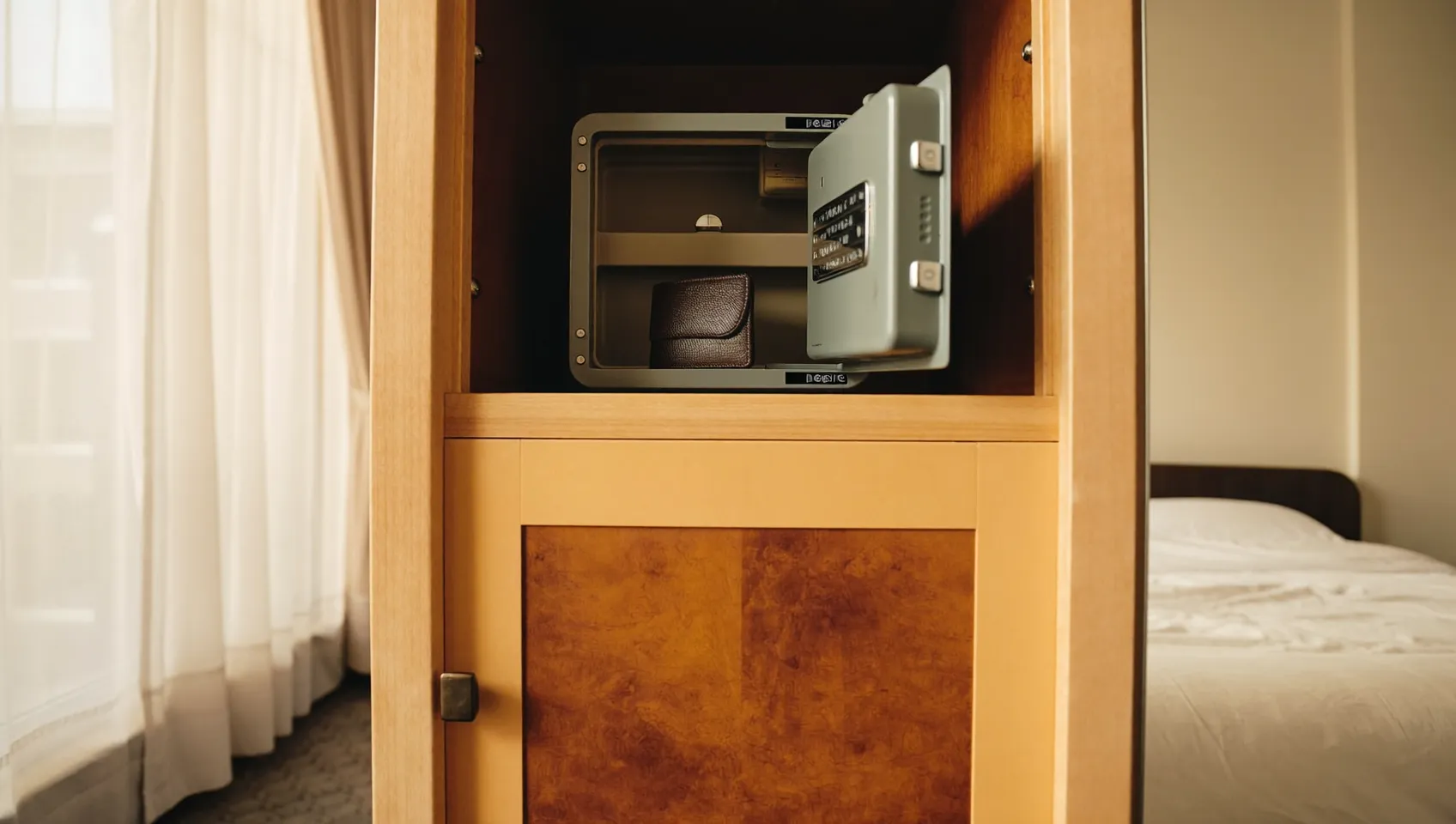
Sensor-equipped minibar
When an item is moved from its place, the system may automatically charge it. The time allowed to keep an item outside varies by hotel; in some systems, even lifting it to check can be recorded as consumption. Placing your own food in the cabinet to keep it cool can also trigger the sensor.
Count-based minibar
Housekeeping staff count the contents during room cleaning or at check-out. Any item that appears missing is added to the bill. For this reason, it helps to keep track of what you consume.
Locked or key-access minibar
The cabinet is locked and won't open unless you request the key. If you've taken the key and opened the cabinet, you become responsible for its contents.
Free or partially free minibar
In some rooms, items such as water, soft drinks, or coffee are included in the bill. Included items are usually marked on the list. If there's no mark, ask reception and note the answer.
Differences: room type, package, and hotel policy
Whether the minibar is chargeable depends on three variables.
- Room type: In higher room categories and suites, some items may be included in the bill. In standard rooms, everything is generally chargeable; still, practices vary by hotel.
- Package type: In all-inclusive stays, minibar coverage varies by package. It's common for coverage to apply only at the bar and restaurant. The minibar in the room may be subject to separate terms; read the package description carefully.
- Hotel policy: Some hotels have no minibar at all. In others, the cabinet is left empty for guests to cool their own items.
The bill may be issued in the currency of the country where the hotel is located. For payment by card and currency matters, you can check Currency in Germany and Credit Card Acceptance and Currency in Egypt and Credit Card Acceptance. Asking which currency the bill will be settled in at check-out reduces the surprise of exchange rate differences.
Common mistakes and the right to dispute
The minibar charge is one of the most disputed items at hotel check-out. Most mistakes are preventable.
- Moving an item from its place: In a sensor-equipped cabinet, a bottle you remove to make space may be charged. If you need space, ask reception for an empty cabinet.
- Not reading the list: Water and snacks are often assumed to be free, but the list may state they are chargeable.
- Placing your own items: The sensor may sometimes count this as consumption. Ask about the cabinet's purpose before placing anything in it.
- Children opening the cabinet: This is a common cause of surprise charges for families. Use the lock if there is one.
- Not reviewing the bill at check-out: Glossing over the bill items can prevent you from noticing an incorrect charge.
If you see an incorrect item, dispute it at reception during check-out. Disputing becomes harder once the bill is closed, so checking the items before check-out is the safest approach. If an incorrect amount appears on your card, you can also contact your card's bank.
Step by step: using the minibar safely
Follow this order to avoid minibar surprises.
- Read the terms at the time of booking. Look for information about the minibar, water, and coffee in the room and package description. Check the amenity information on the Search Hotels page to compare hotels.
- Inspect the cabinet when you enter the room. Check whether there's a price list, and whether the cabinet is sensor-equipped or locked.
- Find out which items are included. Assume everything is chargeable except items marked on the list.
- Tell reception if you want to make space. You can request a separate cabinet or fridge to cool your own items.
- Keep track of what you consume. Noting the date and item on your phone shortens any dispute at check-out.
- Request the bill before checking out. Read each item carefully and dispute any incorrect charge.
These steps don't take much time, but they give you grounds to rely on in case of a dispute. If you have correspondence with reception, keep it as a screenshot.
Checklist: before, during, and after your stay
Before your stay:
- Check whether the reservation confirmation includes any item about the minibar and water.
- If your package is all-inclusive, ask whether the coverage includes the cabinet in the room.
- Find out which currency and card will be used to settle the bill.
When you enter the room:
- Determine the cabinet type (sensor-equipped, count-based, locked).
- Take a photo of the price list.
- Ask for a separate cooling space for your own items.
- If traveling with children, keep the cabinet locked or ask for it to be emptied.
Before checking out:
- Read the minibar item on the bill line by line.
- If an item you didn't consume has been charged, dispute it immediately at reception.
- Keep the receipt or e-invoice.
Every hotel's rules differ; if you're unsure, ask the hotel directly about its current policy.
Frequently asked questions
Is the minibar chargeable in hotels?
In most hotels, yes. Any item you open or consume is added to your room bill. Free items are usually specified in the price list or reservation terms.
Is the water in the minibar free?
In some hotels it's free, in others it's not. The list on top of the cabinet and the reservation terms will show this. If you're unsure, ask reception.
What should I do if an item I didn't take from the minibar is charged to my bill?
Dispute the item at reception during check-out and request a corrected invoice. Incorrect records can occur in sensor-equipped cabinets. Disputing may become harder once the bill is closed.
Is the minibar free at all-inclusive hotels?
Not always. All-inclusive coverage generally covers the bar and restaurant; the minibar in the room varies by package. Read the package description and ask the hotel if necessary.
Can I put my own food in the minibar?
In sensor-equipped cabinets, this may be recorded as consumption. Ask reception for an empty cabinet or a separate fridge. Ask about the hotel's policy before using the cabinet.
My Travel Team
Travel Editor
The My Travel team prepares up-to-date travel, visa and tourism information and guides.