The UK uses the pound sterling and cards are widely accepted. Contactless limits, foreign transaction fees and where cash is needed, all on one page.
The currency in the UK is the pound sterling (£/GBP), and credit cards work in most places. Visa and Mastercard are the most common cards, and contactless payments and phone wallets are also accepted. Still, some small businesses ask for cash, so carry a second payment method with you.
In short
- The currency is the pound sterling; euros and Turkish lira are not accepted for everyday purchases.
- Visa and Mastercard are widespread; American Express and Diners Club are not accepted everywhere.
- The contactless limit is £100 per transaction; foreign cards may be charged a transaction fee.
- Some cafés are cashless, and some small businesses don't take cards; carry a backup payment method.
- Check your bank's foreign fee and limit information before you travel.
Currency: the pound sterling
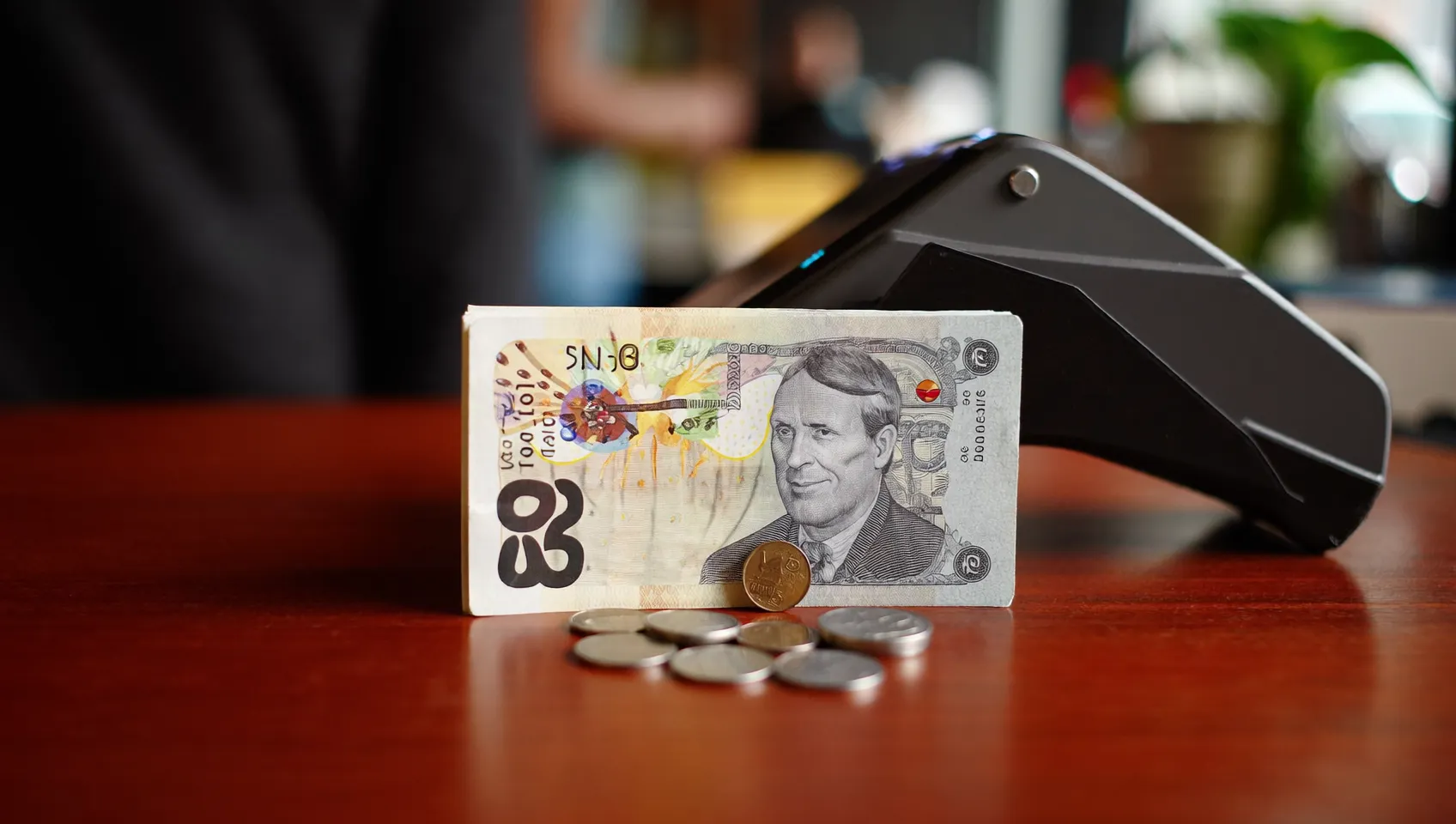
The currency used in the UK is the pound sterling. Its symbol is £, and its international code is GBP. 1 pound equals 100 pence; the letter "p" on price tags indicates pence. Euros or Turkish lira are not accepted for everyday shopping; pounds are expected at the till.
Banknotes and coins
- Banknotes: 5, 10, 20 and 50 £.
- Coins: 1p, 2p, 5p, 10p, 20p, 50p, 1 £ and 2 £.
If your account is in lira, your bank will convert card spending from pounds to lira itself. So you don't need to calculate the exchange rate at the point of sale; however, the amount you see on your statement will depend on the rate applied by your bank.
It makes sense to bring a small amount of pounds with you before your trip. This is enough for transport from the airport into the city, a small café, or a market purchase. There's no reason to carry a large amount of cash. The visa matter is separate: Turkish citizens need a visa for the UK. Check the UK visa page for current requirements.
Where do credit cards work?
Credit and debit cards are widely accepted at restaurants, bars, cafés and shops in London. Across Britain in general, contact and contactless cards along with digital wallets on phones are part of everyday life.
Which card types?
Visa and Mastercard are the most common types. American Express and Diners Club are only sometimes accepted. Bringing a Visa or Mastercard-branded card from Turkey is your safest choice.
Cashless businesses
Some shops and cafés are entirely cashless; they only accept card and contactless payment. So hearing "we don't take cash" at the till is normal. If you have a digital wallet set up on your phone, you can pay without taking out your card, but test your bank's wallet support before you travel.
In short: you can make most of your payments by card during a city trip. But in case your card gets blocked, copied, or a device doesn't accept it, always carry an alternative method with you. This second method can be another card or a small amount of cash.
Contactless limit and foreign transaction fee
Contactless payments are limited to £100 per transaction. If the amount exceeds this limit, you'll need to insert your card into the device and enter your PIN. A similar limit logic may apply to phone payments; if the amount is high, be ready to make the transaction with chip and PIN instead.
Foreign transaction fee
Contactless payments made with cards issued outside the UK may be charged a foreign transaction fee. The fee varies by card and bank. All cards issued in Turkey fall into this category.
So before you leave, find out the following from your bank:
- Is a commission or exchange rate markup applied to foreign spending?
- Is your card enabled for foreign use and contactless payment?
- What are your daily spending and cash withdrawal limits?
- Which card has the lower cost?
Since the figures differ from bank to bank, we're not giving amounts here; check your own bank's tariff through the mobile app or customer service. Make the card with the lower cost your main card, and the other your backup.
If asked "pounds or lira?" at the till, it's generally healthier to choose pounds, so that your own bank handles the currency conversion.
When is cash needed?
Even though cards are widespread, they don't work everywhere. Some small shops, markets and cafés may not accept card or digital payment, or may set a minimum spend requirement. For example, at a small market stall or a one-person café, you might see a "cash preferred" sign.
Scottish and Northern Irish banknotes
Scotland and Northern Ireland print their own pound sterling banknotes. These banknotes look different, but have the same value as English banknotes. If you receive one, accept it; there's only a difference in appearance. Still, some businesses may be hesitant about foreign-looking banknotes; in that case, paying by card or exchanging the note is a solution.
How much cash?
There's no single correct amount for cash. A limited amount is enough for small expenses during a city trip. Keep some coins for markets, small cafés and tips. Plan to pay for everything else by card.
If you're on a tour, meals and transport may be included in the program; in that case your cash needs will be even lower. Read the scope of the program from the tour page.
Step by step: what to do before you leave
Complete your payment preparations a few days before your trip. Do the following in order:
- Check your card. Confirm the Visa or Mastercard logo, the expiry date, and that it's authorized for foreign use.
- Call your bank or check the app. Find out the foreign transaction fee, exchange rate application, and limits.
- Set a backup payment method. A second card and a small amount of pounds is enough. Don't carry both cards in the same place.
- Set up your phone wallet. If you'll use it, add your card and test it once before you leave.
- Get pounds. A small amount; for leaving the airport and small expenses.
- Turn on bank notifications. Get instant SMS or notifications for foreign spending so you spot any suspicious transaction immediately.
- Pay in pounds at the till. If the device asks you to choose a currency, select pounds.
If you're looking for a scheduled tour, you can check options like the Discount Both Sides of the Thames London Tour to see which meals and transport are included. Plan your budget by card for items not included. For the flight side, you can also check the online check-in guide to prepare.
Checklist
Tick off the following items before departure.
Payment
- I have at least two cards with Visa or Mastercard logos.
- My cards are enabled for foreign use and contactless payment.
- I know my bank's foreign transaction fee and my limits.
- My digital wallet on my phone is working.
- I have a small amount of pounds with me; including some coins.
- I carry my cards in separate places.
Things I need to know
- The currency is the pound sterling (£/GBP); 1 pound equals 100 pence.
- Contactless payment is limited to £100 per transaction.
- American Express and Diners Club may not be accepted everywhere.
- Some cafés and shops don't take cash, and some small businesses don't take cards.
- Scottish and Northern Irish banknotes look different but have the same value.
Travel documents
Turkish citizens need a visa; check application information on the UK visa page. You can look at international tours to see tour options, or check this country's tours for UK routes only.
Frequently asked questions
What is the currency in the UK?
The currency in the UK is the pound sterling; its symbol is £, its code is GBP. 1 pound equals 100 pence. Euros and Turkish lira are not accepted for everyday shopping.
Do credit cards work in the UK?
Yes, most restaurants, bars, cafés and shops accept credit and debit cards. Visa and Mastercard are the most common types. Still, some small businesses may not accept cards, so carry a backup payment method.
What is the contactless payment limit in the UK?
Contactless payments are limited to £100 per transaction. For higher amounts, you'll need to insert your card into the device and enter your PIN. Foreign cards used for contactless payment may be charged a transaction fee; this fee varies by bank.
Is American Express accepted in the UK?
American Express and Diners Club are only sometimes accepted. Visa and Mastercard are much more widespread. It's safer to carry a card of one of these two types with you.
Is it necessary to bring cash pounds when going to the UK?
It's not mandatory but is recommended. A small amount will cover markets, cafés and small shops that require cash. You can make most of your payments by card.
Are Scottish banknotes accepted in the UK?
Scotland and Northern Ireland print their own pound sterling banknotes, and these have the same value as English banknotes. Their appearance is different. If a business is hesitant, you can pay by card instead.
Is there a foreign transaction fee when paying by card in the UK?
Payments made with cards issued outside the UK may be charged a foreign transaction fee. The fee varies by card and bank. Find out the amount from your bank before you leave.
Sources
- British money and UK currency converter — visitlondon.com
- UK Travel Advice & Useful Information — visitbritain.com
My Travel Team
Travel Editor
The My Travel team prepares up-to-date travel, visa and tourism information and guides.