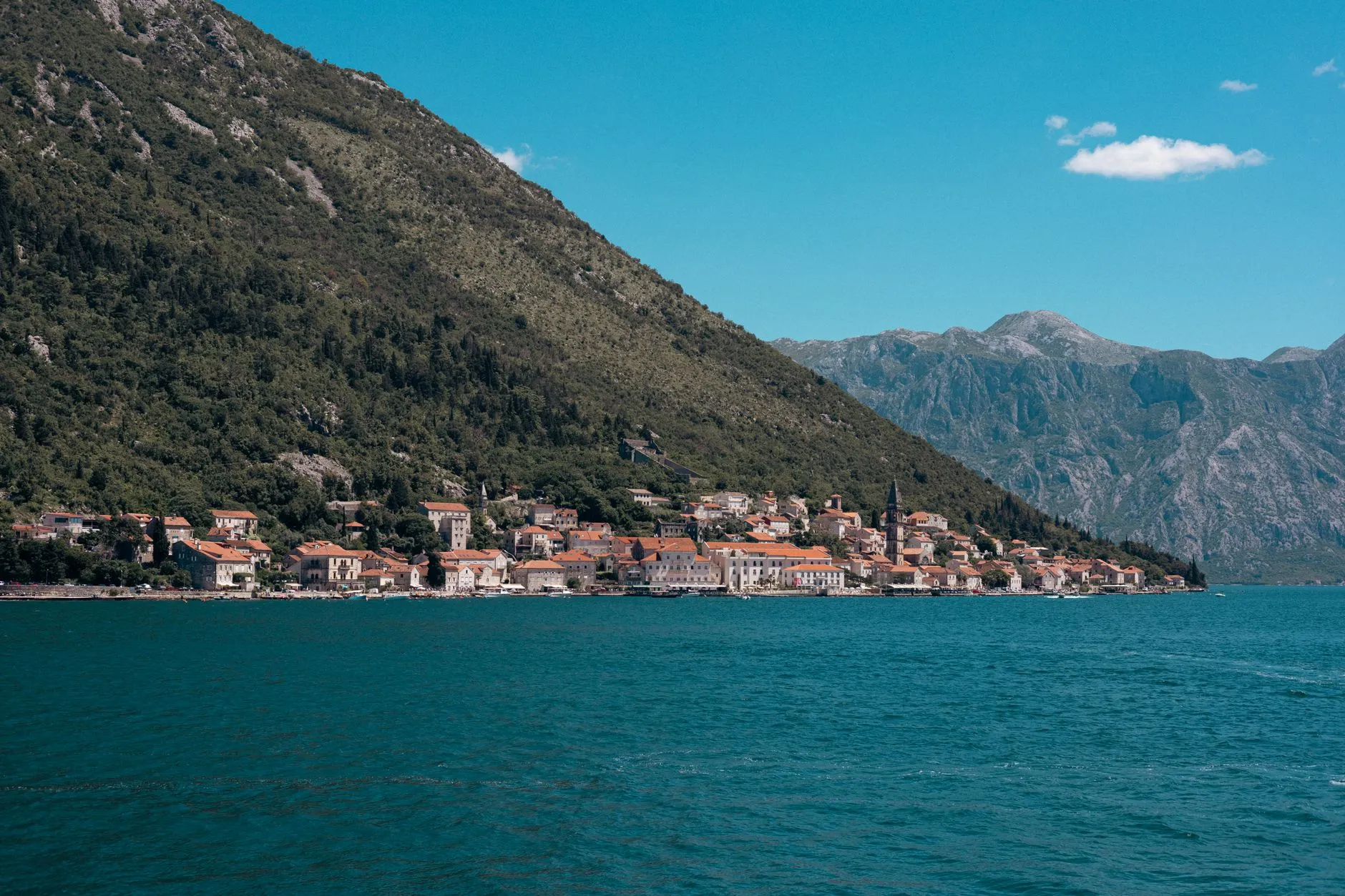
Find detailed information on visa requirements, the application process and important points to consider for Turkish citizens planning to travel to Montenegro.
Montenegro Visa: Updated Guide for Turkish Citizens
Turkish citizens are exempt from a visa for tourist trips to Montenegro that do not exceed 90 days within a 180-day period. This visa-free entry right can be exercised with a valid passport, and no additional visa application is required upon entry into the country. However, to ensure your trip goes smoothly, it is of great importance to have your passport's validity period, accommodation and return ticket, and other essential travel documents ready.
Entry into Montenegro: Visa Status for Turkish Citizens
Based on our experience at MY Visa and current official information, Montenegro is one of the most easily accessible and attractive Balkan countries for Turkish citizens. Thanks to the visa exemption agreement between the Republic of Turkey and Montenegro, Turkish citizens holding a maroon passport are not required to obtain a visa for short-term tourist, business or family visit trips. This offers a major advantage especially for those making spontaneous travel plans or wishing to explore the Balkans.
The visa-free travel right is valid for a total of no more than 90 days within 180 days from the date of entry into the country. This rule is similar to the application in the Schengen area and is an important detail to consider when planning your trip. For example, if you stayed in Montenegro for 30 days within a 180-day period, the maximum amount of time you can stay in Montenegro until the same 180-day period ends will be 60 more days. It should be noted that exceeding this period may result in legal sanctions. It is also critical for a smooth entry that your passport remains valid for at least 6 more months from the end date of your trip, and that it is not worn or damaged. The same rules apply to older, non-chip passports, but new generation biometric passports generally allow for faster processing at border crossings.
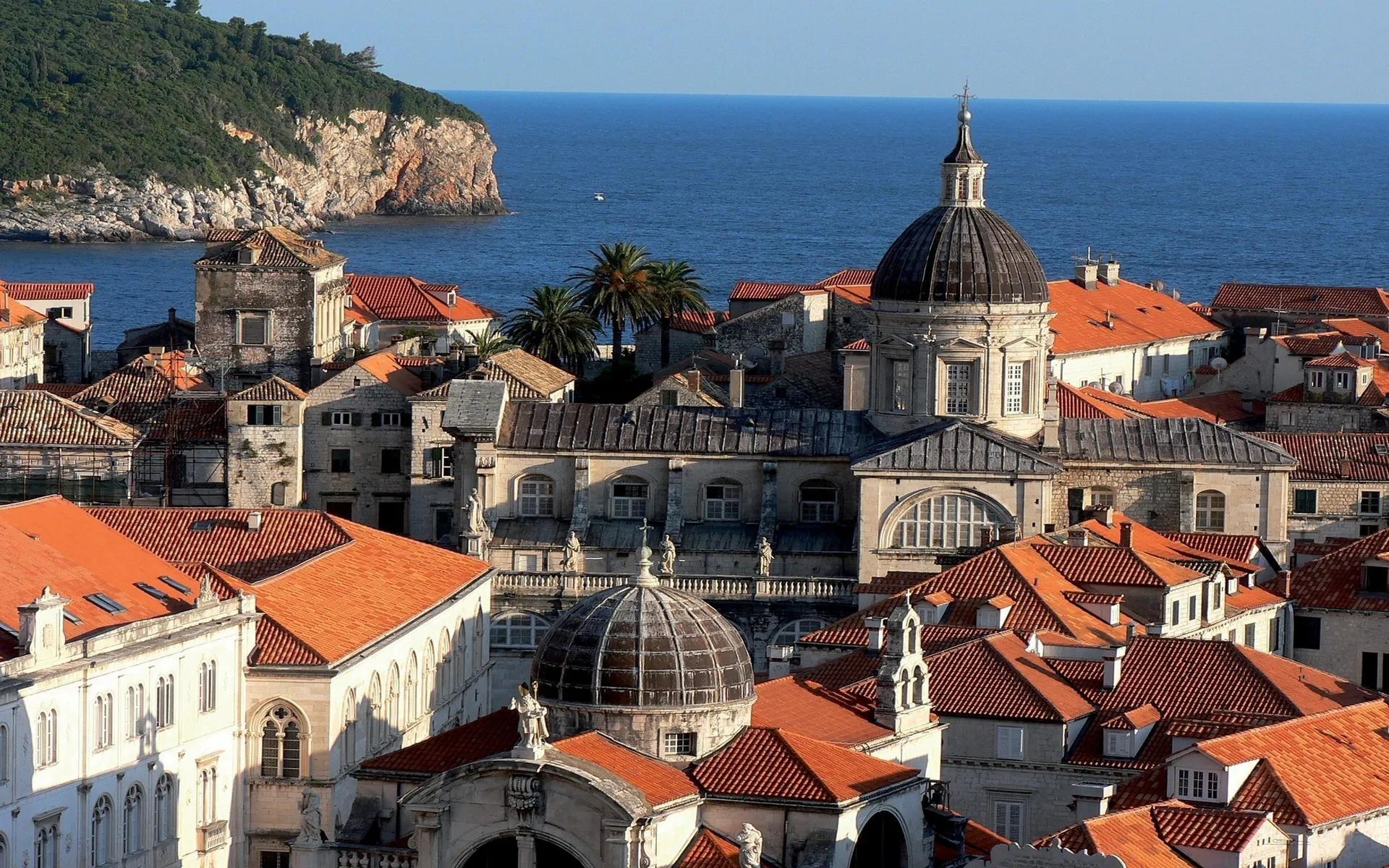
The visa-free entry opportunity to Montenegro increases the country's tourism potential and provides significant convenience for Turkish visitors. With the beauty of its Adriatic coastline, historic cities and natural parks, Montenegro is an ideal destination for short holidays or long-term exploration. However, visa exemption does not mean entry into the country is entirely guaranteed. Officials on duty at the border gate have the authority to ask questions about the purpose of your trip and length of stay, and to request certain documents. For this reason, fully meeting the required documents and conditions detailed below is essential for a smooth travel experience.
Conditions for Visa-Free Travel and Required Documents
To benefit from the visa-free travel right, you need to meet certain conditions and carry some documents with you. As MY Visa experts, we always advise our clients to prepare these documents completely, as any disruptions that may occur at the border gate can negatively affect your entire travel plan.
1. Valid Passport: The most basic document for entry into Montenegro is your passport. Your passport must be valid for at least 6 more months from the date you plan to leave Montenegro. It is also important that your passport is in good physical condition, not worn out or with torn pages. Border officials will check the clarity and legibility of the information on your passport. Older type passports are also accepted, but chipped (biometric) passports can speed up border crossing procedures.
2. Return or Onward Travel Ticket: It is recommended that you carry a return ticket (flight, bus, train) showing that you will leave Montenegro, or a ticket showing that you will continue from Montenegro to another country. This document is the most concrete way of showing that you will not exceed the legal length of stay in Montenegro and that you intend to leave the country. Although not always requested, it may be asked for by border officials, especially in cases of suspicion.
3. Proof of Accommodation: You may need to present a document showing where you will stay in Montenegro. This can be a hotel or guesthouse reservation, a rental house agreement, or an invitation letter from a friend/relative. The invitation letter must include the identity information and address of the inviting person and the duration of your stay. This document serves as proof that your trip is for tourist purposes and that you will not be a burden on the country's social security. It is beneficial to make your reservations in advance and keep confirmation documents easily accessible, either printed out or in digital form.
4. Sufficient Financial Resources: You may be expected to show that you have the financial means to support yourself during your stay in Montenegro. This can be proven with cash, credit cards, bank account statements or traveler's checks. Although there is no clear daily amount set by the Montenegrin government, it is a good indicator to have the financial capacity to cover approximately 50-70 Euros per day according to generally accepted standards. This amount should be sufficient to cover your accommodation, food and other personal expenses.
5. Travel Health Insurance: Although travel health insurance is not mandatory for Turkish citizens traveling visa-free to Montenegro, it is a document that we at MY Visa strongly recommend. Insurance provides great assurance, both financially and emotionally, for unexpected health problems, accidents or emergencies that may occur during your trip. Make sure your policy is valid in Montenegro and covers the duration of your trip. This type of insurance will help cover your medical treatment expenses in case of any emergency.
Keeping all of these documents organized and easily accessible will minimize possible delays or problems at the border gate. Border officials have the right to request these documents and have the authority to deny entry into the country in case of deficiency. For this reason, it is extremely important to keep all these details in mind when making your travel plan.
Length of Stay in Montenegro and Extension Possibilities
The 90-day stay within 180 days set for Turkish citizens entering Montenegro visa-free is generally sufficient for short-term tourist or business trips. However, it is very important to correctly understand this period and not exceed it. The "90 days within 180 days" rule means that you can stay in Montenegro for a maximum of 90 days in total within a 180-day period counted back from the date of your first entry. This period can be used all at once, or in parts across different time frames.
For example, suppose you entered Montenegro on January 1st and stayed for 30 days. Then you left the country. If you enter Montenegro again within the same 180-day period (i.e., the period from January 1st to June 29th), you can stay for a maximum of 60 more days in total. Exceeding this period is considered "illegal residence" under Montenegrin law and may have serious consequences.
Consequences of Overstaying:
- Fines: Foreigners who overstay are generally subject to high fines. These fines may vary depending on the length of the overstay and the discretion of the authorities.
- Deportation: In addition to a fine, a deportation order from Montenegro may be issued. Deportation can make it difficult for you to enter Montenegro in the future and may even result in an entry ban for a certain period.
- Impact on Future Travel: A history of illegal residence in Montenegro can negatively affect not only Montenegro but also visa applications or visa-free travel to other Balkan countries and even the Schengen area. This situation will remain as a negative record in your travel history.
Options for Extending Your Stay:
Extending the short-term visa-free stay is generally not possible for tourist purposes. If you plan to stay in Montenegro for more than 90 days, this falls outside the scope of the tourist visa exemption, and you will need to switch to a different status. For long-term stays (for example, for reasons such as work, education, family reunification or investment), you need to apply for a residence permit (boravišna dozvola) from the relevant Montenegrin authorities (Ministry of Interior or foreigners department).
Such applications should be made before coming to Montenegro or before your legal stay period expires. Residence permit applications require comprehensive documents (employment contract, student document, marriage certificate, proof of financial sufficiency, etc.) and are made through the Montenegrin Embassy or Consulate or with the competent authorities in Montenegro. These processes can be time-consuming, and approval of your application is not guaranteed. Therefore, if you have a long-term stay plan, it is recommended that you contact our MY Visa experts for detailed information and to manage the process correctly. Attempting to use the visa-free short-term travel right as a way to apply for a long-term residence permit can lead to legal problems.
Points to Consider at the Point of Entry
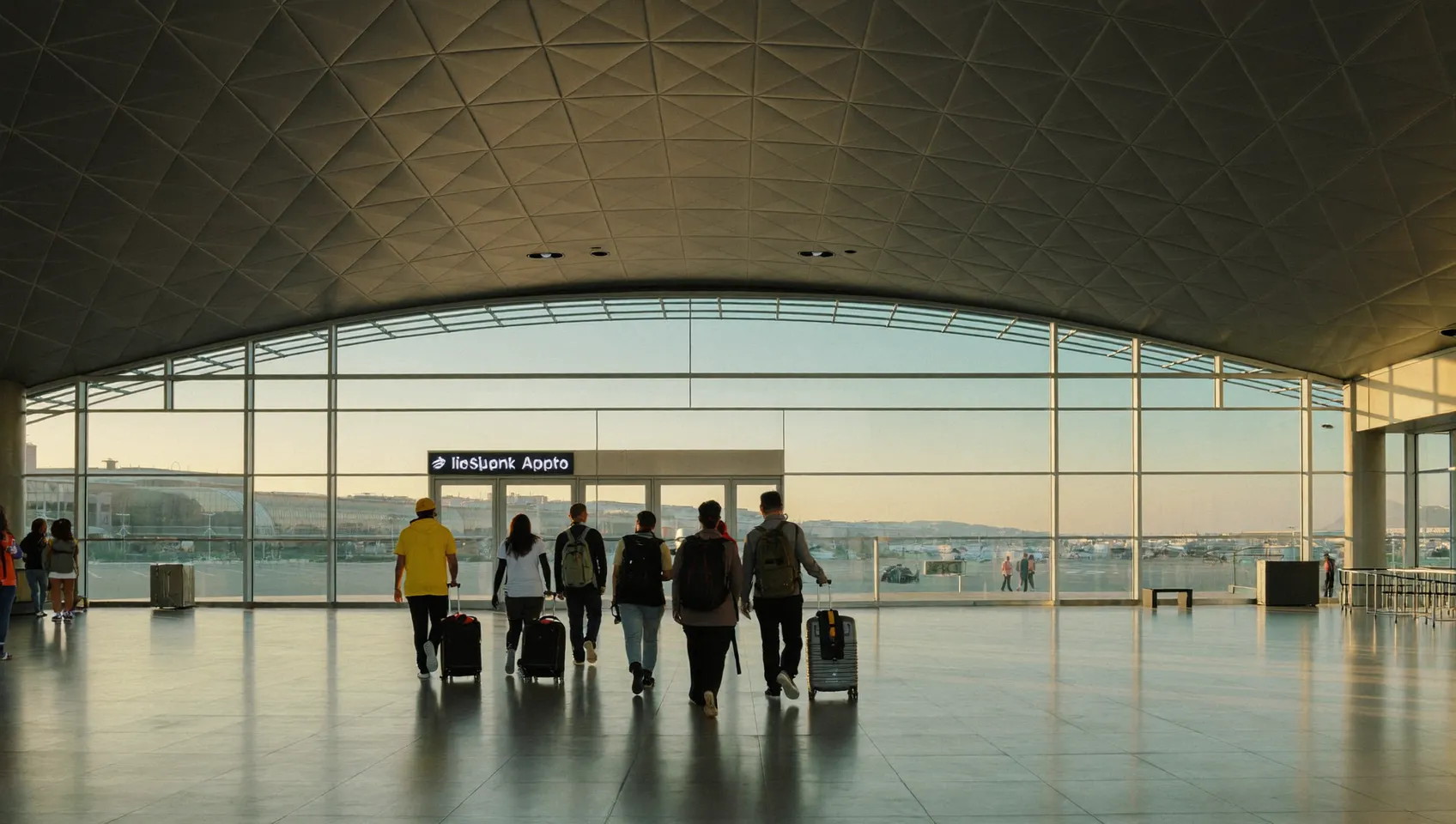
When entering Montenegro by air, land or sea, you will need to go through certain procedures at border control points. These points are generally Podgorica and Tivat Airports, land border crossings with Serbia, Bosnia and Herzegovina, Croatia and Albania, and sea ports such as Bar and Kotor. At MY Visa, we always advise our clients to be prepared for border control and to maintain a calm attitude.
1. Have Your Passport and Documents Ready: When you arrive at the border gate, have your passport and all other documents mentioned above (return ticket, hotel reservation, travel insurance, financial proof) easily accessible. Make sure the page to be opened in your passport (usually the first page) and any visa stamps, if present, are clearly visible. Keeping your documents in an organized folder will make things easier for both you and the border official.
2. Questions from Border Officials: Border officials may ask you some standard questions about the purpose of your trip and the length of your stay. These questions usually include:
- "Why are you coming to Montenegro?" (Answer: Tourist trip, vacation, family visit, etc.)
- "How long do you plan to stay?" (Answer: In line with the date on your return ticket, for example 7 days, 10 days, etc.)
- "Where will you be staying?" (Answer: By stating the hotel name, town, or the address of the inviting person)
- "Do you have a return ticket?"
- "Do you have sufficient funds?"
It is important to give accurate, clear and brief answers to these questions. Never lie or give exaggerated information. Emphasize that your purpose is to be in Montenegro for tourist purposes within the legal stay period. If you do not speak English, it may be helpful to carry a note with basic phrases or use a translation app. Officials sometimes have Turkish-speaking staff available, but it is best not to rely on this.
3. Customs Declarations and Restrictions: When entering Montenegro, you may need to make a customs declaration for cash amounts above a certain limit (generally 10,000 Euros or equivalent), valuable items or commercial goods. While items brought for personal use generally do not pose a problem, there are certain restrictions on products such as alcohol, tobacco products and perfume. If you bring quantities exceeding these limits, you may need to declare them and pay any applicable taxes. Otherwise, your items may be confiscated and a fine applied. It is always best to check current customs rules on the official website of the Montenegrin Customs Administration.
4. Being Calm and Respectful: Border control can sometimes take a long time, or officials may ask you detailed questions. In such cases, it is important to remain calm, show a respectful attitude towards the officials, and cooperate. Displaying an aggressive or argumentative attitude can make your situation worse. In case of any disagreement, you can politely request an explanation of the situation or ask to speak with a senior official.
By following these steps and making the necessary preparations, you can complete your entry process to Montenegro smoothly. Remember that the primary purpose of border officials is to ensure the security of the country and prevent illegal entries.
Special Cases and Visa Applications (Student/Work Related Travel)
The visa-free travel opportunity that Montenegro offers to Turkish citizens only covers short-term purposes such as tourism, business or family visits. If you plan to stay in Montenegro for more than 90 days, or if the purpose of your trip is different from tourism (for example, education, work, long-term treatment, family reunification, retirement or investment), then the visa-free entry right will not apply to you. For such cases, you need to follow the special visa or residence permit (boravišna dozvola) procedures set by the Government of Montenegro.
1. Travel for Education Purposes (Student Visa/Residence Permit):
If you want to study at a university in Montenegro or attend a long-term language course, you must first obtain admission from the educational institution in Montenegro. Along with the acceptance letter, you will need to apply for a student residence permit covering your period of study. This application is generally made through Montenegro's Embassy or Consulate in Turkey, or to the relevant foreigners department of the Montenegrin Ministry of Interior after entering Montenegro visa-free for a short period (before your legal stay period expires). Required documents include the acceptance letter, proof of financial sufficiency, accommodation document, health insurance and criminal record document.
2. Travel for Work Purposes (Work Visa/Residence Permit):
Turkish citizens who wish to work in Montenegro must first obtain a job offer from an employer operating in Montenegro and obtain a work permit (radna dozvola). The work permit is generally obtained by the employer applying to the Montenegro Employment Agency (Zavod za zapošljavanje Crne Gore). After obtaining the work permit, an application is made for a work residence permit (boravišna dozvola za rad) along with this document. This process can be complex and generally requires many documents such as an employment contract, employer information, professional qualification certificates, criminal record and health report. Trying to enter visa-free for a short period and look for work, and exceeding the legal stay period during this process, can lead to serious problems. Therefore, if your purpose is to work, it is recommended that you complete all these permits before coming to Montenegro.
3. Residence for Family Reunification, Retirement or Investment Purposes:
There are also long-term residence permit options for special cases such as those married in Montenegro, those married to Montenegrin citizens, retirees (under certain conditions) or those investing in real estate in Montenegro. Such applications require different sets of documents and procedures for each case. For example, for a residence permit through real estate investment, conditions such as purchasing property of a certain value and presenting the title deed of this property may be required. For family reunification, documents such as a marriage certificate, documents proving family ties and proof of financial sufficiency are requested.
Application processes for these special cases can be time-consuming, may require detailed document preparation, and require knowledge of local laws and regulations. At MY Visa, we offer expert consultancy services to guide you correctly in such complex processes and to facilitate your application process. If you are planning a long-term stay in Montenegro or residence for different purposes, it is vital that you contact Montenegro's diplomatic representations in Turkey or an experienced consultancy firm like MY Visa before starting your trip, in order to proceed with the process on a correct and legal basis. Remember that the visa-free entry right is not a solution for such long-term or special-purpose stays, and obtaining special permits is mandatory for such purposes.
Important Tips Before Travel and MY Visa Support Services
As MY Visa experts, we would like to offer you some important tips so that your trip to Montenegro is enjoyable and smooth. Proper planning and preparation before your trip will help minimize possible disruptions.
1. Check Official Sources: Montenegro's visa applications or entry conditions may change from time to time. Before your trip, be sure to check the travel announcements regarding Montenegro from the Republic of Turkey Ministry of Foreign Affairs and the official website of Montenegro's Embassy or Consulate in Turkey. You can access the most up-to-date and accurate information from these sources.
2. Copy Your Passport and Important Documents: Keep a photocopy or digital copy (email, cloud storage) of your passport and other important travel documents (ID card, plane ticket, hotel reservation, insurance policy) with you. These copies will be of great convenience if your original documents are lost or stolen during your trip.
3. Currency and Payment Methods: The currency of Montenegro is the Euro (€). It will be useful to carry some cash Euros with you, especially when shopping in small towns or local markets. Although credit card use is common in major cities and tourist areas, it may not be accepted everywhere. Make sure your bank card is enabled for international use and find out about your bank's foreign transaction fees.
4. Language and Communication: The official language of Montenegro is Montenegrin. It is possible to find English speakers in tourist areas, but learning basic Montenegrin or Serbian phrases (such as Hello, Thank you, Please) can ease communication with locals and leave a positive impression. A translation app may also come in handy.
5. Local Culture and Customs: Montenegro is a country with a rich history and culture. It is important to show respect for local customs and traditions. Be careful to wear appropriate clothing, especially when visiting religious sites. Their food culture and hospitality are quite developed.
6. Safety: Although Montenegro is generally a safe country, as with any trip, it is recommended that you pay attention to your personal belongings and be cautious against incidents such as pickpocketing in crowded places. Avoid wandering alone at night in unfamiliar streets. Note the local police (122), ambulance (124) and fire department (123) numbers for emergencies. It will also be useful to keep the contact information of the Turkish Embassy in Podgorica with you.
7. Transportation: Intercity transportation in Montenegro is provided by buses and is quite common. You can use taxis or local buses within the city. If you are considering renting a car, make sure your international driving license is valid and that you understand the insurance details well. Keep in mind that roads can be winding in some areas, and winter tires or chains may be required, especially during winter months.
MY Visa Support Services:
At MY Visa, we are happy to support you at every stage of your trip to Montenegro. Our expert consultants can provide you with detailed information on current visa and travel conditions, guide you in preparing the necessary documents, and assist you in planning your trip. We are by your side with our professional consultancy services, especially for the complex visa or permit processes required for special situations (work, education, long-term residence). We also work to turn your trip into a stress-free experience by offering you the most suitable options for travel health insurance, plane tickets and accommodation.
If you have any questions or need consultancy regarding your trip to Montenegro, you can get support from our experts by visiting myvisa.tr or contacting us through our communication channels. Remember, accurate information and good preparation are the keys to a smooth trip.
Frequently Asked Questions
How long can Turkish citizens stay in Montenegro without a visa?
Turkish citizens can stay in Montenegro visa-free for a total of no more than 90 days within 180 days. This period is calculated retroactively from the date of first entry.
What should the validity period of my passport be when entering Montenegro?
Your passport must be valid for at least 6 more months from the date you plan to leave Montenegro. It is also important that your passport is not worn out or damaged.
Which documents should I carry with me when traveling visa-free?
In addition to your valid passport, you should carry a return or onward travel ticket, accommodation reservations (hotel, invitation letter), documents showing sufficient financial resources to cover the duration of your stay, and travel health insurance (strongly recommended). Border officials have the right to request these documents.
What should I do if I want to stay in Montenegro for more than 90 days?
If you plan to stay in Montenegro for more than 90 days (for purposes such as education, work, family reunification, etc.), you need to apply for the relevant visa type or residence permit before coming to Montenegro. The visa-free entry right does not apply to long-term stays, and special procedures apply for such cases.
My Travel Team
Travel Editor
The My Travel team prepares up-to-date travel, visa and tourism information and guides.