The most balanced period for Taiwan is November–December. Seasonal weather, typhoon risk, Taroko trail conditions, regional order and e-visa preparation are all covered in this guide.
The short answer to when to visit Taiwan is: November–December. During this period, humidity drops, rainfall decreases, and city and nature routes can be combined in the same trip. The second option is the first half of spring. Summer is hot, humid and carries typhoon risk. For Turkish citizens, the visa requirement is an e-visa.
In short
- If you can only pick one month, choose November–December: humidity drops and city and nature routes can be combined.
- The north is humid in winter, the south is milder; plan your route according to the region.
- Late summer and early autumn carry typhoon risk; flexible cancellation and insurance are essential.
- Turkish citizens need an e-visa; clarify the application requirements first, then book flights and hotels.
- Check the current status of Taroko trails before you go; keep your hiking plan flexible.

Short answer: which is the best period?
If you need to pick a single month, let November and December be your first choice. During this period, summer humidity is behind you, typhoon risk decreases significantly, and it becomes possible to combine city, coastal and mountain routes in the same trip. The second choice is the first half of spring.
Keep in mind that the island has two distinct climate behaviors. The north, meaning the Taipei area, can be cloudy, humid and drizzly on most days in winter. The south, meaning Tainan and Kaohsiung, is drier and milder during the same period. So plan your route according to the region, not a single calendar.
Decision template:
- City, food, night markets: Autumn and early winter.
- Mountains and hiking: Early spring and autumn. Avoid those weeks in late spring for hiking since rain and humidity increase.
- Beach and the southern coast: Before summer and in autumn.
- Budget and quiet travel: Weeks outside of peak holiday periods.
Always check daily weather forecasts from local meteorological data; this article describes seasonal trends, not exact temperature values. Also, whether hiking trails are open depends on current road conditions regardless of season; details are in the route section.

Spring: mild but starts rainy
Spring is Taiwan's flower and green season. The weather is mild and mountain roads are mostly accessible; however, frequent drizzle occurs throughout spring, and especially in the north and central regions, the sky can remain overcast. Toward the end of the season, rainfall intensifies and humidity rises. For a nature-focused trip, early spring is therefore a safer choice than late spring.
I recommend this period to the following type of traveler: someone who wants to mix city and nature, doesn't mind light rain, and wants to avoid summer crowds.
Practical tips:
- Allocate at least 3 days to Taipei; plan museums and indoor markets for rainy days.
- Schedule outdoor days, meaning mountain hikes, at the last minute based on the forecast.
- Leave a flexible "backup day" in your itinerary.
- Bring a light waterproof jacket and quick-drying shoes; umbrellas are easy to find locally.
Your chances of catching a sunny window are good but not guaranteed. To keep a single rainy day from ruining your trip, plan your route by region rather than day by day. In weeks when rainfall increases, such as May and June, make a city and food-focused program instead of hiking.
Summer: hot, humid and typhoon risk
Summer is the island's most oppressive season. The weather is hot and humid, with frequent afternoon downpours. Late summer and early autumn are when typhoon risk is highest; flight cancellations, and train and mountain road closures can occur.
If your summer holiday is tied to the school calendar, do the following:
- Choose hotels and transportation with flexible cancellation terms.
- Check your travel insurance for coverage of cancellations due to natural disasters.
- Spread your daily program across morning and evening; reserve midday hours for indoor venues.
- Schedule coastal and mountain hikes in the early days of your trip; if weather turns bad, it's easier to return to the city.
A summer trip isn't impossible, but this period isn't Taiwan at its best. If your dates are flexible, skipping summer and postponing to autumn is a less risky decision.
When a typhoon warning is issued, follow local news and airline announcements and rewrite your program for that day. Canceling outdoor plans and switching to an indoor alternative while the warning is in effect is always less costly than dealing with ticket and hotel changes. Keep your route short during a summer trip; staying a few nights in two or three cities rather than a different hotel each night makes it easier to recover a disrupted plan.
Autumn and November–December: the most balanced period
Typhoon risk can still persist in early autumn; but as the season progresses, humidity drops, skies clear, and travel becomes more comfortable. November–December is the best window for city walks, train journeys, night markets and nature routes.
Advantages of this period:
- Hiking is much more comfortable than in summer.
- Since the weather in the south is dry and mild, you can spend comfortable time in Tainan and Kaohsiung.
- In mountainous areas, mornings cool down and the scenery becomes clearer.
- It's easy to find accommodation outside of busy holiday periods.
A thin raincoat is still needed in the north. In mountains, especially at high points like Alishan, mornings and evenings are cool; dress in layers.
Recommended order: start in Taipei, head east to Hualien, then go south. If the weather is cloudy in the north during the early days, leaving outdoor activities for the southern part of the trip can save your program. If you can set aside at least ten days in total, you can see most of the island on a single trip. If you don't have ten days, drop Hualien and focus on the Taipei, Tainan and Kaohsiung trio; this trio is more manageable in a shorter time and less exposed to weather risk.
Winter: humid in the north, mild in the south
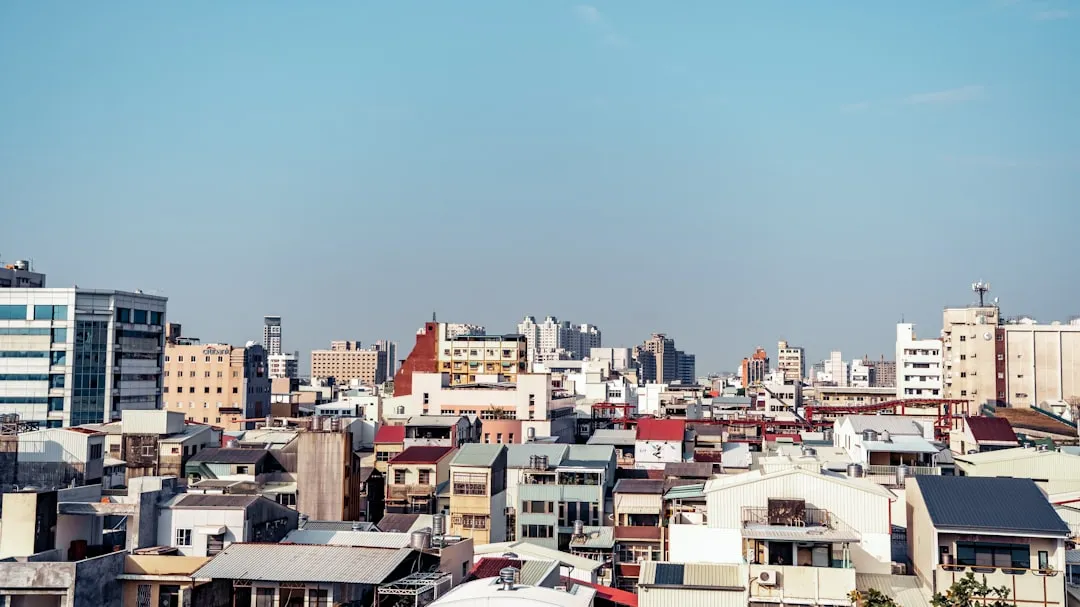
Winter is visitable, but it's a season where decisions should be made by region. In northern Taiwan, the sky is often overcast, and the weather is humid and windy; so Taipei becomes a museum, tea house, hot spring and food-centered city during this period. In the south, daylight is more generous and the weather is milder.
Recommendations for a winter trip:
- Schedule hot spring areas for cloudy days in the north; cool weather is the peak season for this activity.
- Shift your route south: Tainan, Kaohsiung and Kenting are safer choices for winter.
- During the Chinese New Year period, locals travel too; book trains, hotels and domestic flights well in advance. Dates change every year, so check the official calendar.
- For mountain hikes, learn the current trail status of the local park in advance.
If you're looking for a calm, city-focused trip, winter makes sense. If you expect beaches and long hikes, autumn or spring is more suitable.
The most practical setup for winter is as follows: spend the first days in Taipei focused on indoor activities, head south depending on the weather, and choose a flight plan that doesn't require you to return north on the last days. This way, you shorten the time spent in the humid north and get the most out of the south's mild days.
Route order by region
Regardless of the calendar, sorting your route by geography saves time. Recommended direction: from north to east, then south.
Taipei
Most travelers start their route from Taipei. Kaohsiung also has an international airport; it's possible to enter from the south and exit from the north, so compare flight options. Allocate at least 3 days to Taipei for night markets, museums and tea houses. Managing rain risk is easiest here; there are plenty of indoor venues.
Hualien and Taroko
The nature center of the east coast. Important warning: After the April 2024 Hualien earthquake, many trails in Taroko National Park remained closed or restricted. Check the current status from park management and local road announcements before you go; don't base your route on hiking without this information. If trails are closed, switch to a coastal and city program in Hualien. Allocate at least 2 days.
Tainan
One of the island's oldest settlements; explored on foot for its temples and street food. Much more comfortable in cooler season. 2 days is enough.
Kaohsiung and Kenting
A port city and the southern coast. For those seeking beach and outdoor activities, before summer and in autumn are preferred over midsummer. Allocate 2–3 days.
Alishan
For mountain mornings and tea country. Fog and cool weather can occur; bring thick layers. Stay one night if possible.
If you're considering renting a car, check the driving license requirements from our international driving license guide; trains and public transport are also strong on the island.
Visa and preparation timeline
For Turkish citizens, the visa requirement for Taiwan is an e-visa. You can see the current application requirements, necessary documents and process on the Taiwan visa page; verify details like fees and duration there, as we don't provide figures in this article.
Planning order for autumn and early winter:
- First, dates: Clarify your number of vacation days and the weeks you'll travel.
- Then, the visa: Check the application requirements and process from the visa page and apply. Finalize your flight and hotel reservations after clarifying your visa status.
- Then flights and hotels: Choose accommodation with flexible cancellation in Taipei and Hualien.
- Train and trip details last: So they can be shifted according to the weather forecast.
If your application results negatively, it therefore makes sense to tie flight and hotel reservations to the visa outcome first. For general steps, you can look at the article what to do after a visa refusal; verify the process specific to Taiwan's e-visa from the visa page and official sources.
Since demand will be high for November–December, don't delay your decision; finalizing visa requirements first, then flights and hotels, is the safest order.
Which period suits whom?
Choose your own priority to decide and match it.
- If it's your first time and you want to see the whole island: Late autumn, November–December. Plan your route as Taipei, Hualien, Tainan, Kaohsiung, and allocate at least ten days.
- If you only want city and food: Winter. For a short trip, Taipei and Tainan are enough; be prepared for rain in the north.
- For hiking and nature: Early spring and autumn. Monitor the rain forecast and trail status, and keep your Taroko day flexible.
- For the beach: Before summer and in autumn. Midsummer isn't a solid choice due to typhoon and heat risk.
- If you must take a summer trip during school holidays: Cancellation-covered insurance, flexible hotels and an indoor backup are essential.
- If you want to avoid crowds: Mark local public holidays and Chinese New Year weeks on your calendar and stay outside them.
No single period meets all expectations at once. If your priority is food and cities, choose winter; if it's nature and hiking, choose autumn or early spring. For a general trip, November–December is still the window with the least risk and the most balance.
Frequently asked questions
Which month is best to visit Taiwan?
The most balanced period is late autumn and early winter, meaning November–December. Humidity decreases and rainfall drops, and both city and nature routes can be done. The second choice is the first half of spring.
When is typhoon season in Taiwan?
Typhoon risk increases in summer and early autumn. Flight cancellations and mountain road closures can occur. If you're traveling during this period, choose flexible cancellation terms and insurance covering natural disasters.
Can you visit Taiwan in winter?
Yes, but the route should be planned by region. The weather in the north can be humid and cloudy, while the south is milder and drier. Plan winter with indoor activities in Taipei and outdoor activities in the south.
Can Turkish citizens travel to Taiwan without a visa?
No, the visa requirement for Turkish citizens is an e-visa. Check the current application requirements from the Taiwan visa page. It's safer to finalize flight and hotel reservations after clarifying the application requirements.
How many days are enough for a trip to Taiwan?
At least 3 days may be enough for Taipei alone. For a tour combining the north, east and south, it's more comfortable to allocate at least ten days. Leave a backup day that can be shifted due to weather.
Can you hike in Taroko?
After the April 2024 Hualien earthquake, many trails in Taroko National Park remained closed or restricted. Check the current status from park management and local road announcements before you go. If the trail is closed, switch to a city and coastal program in Hualien.
What to do on rainy days in Taiwan?
Museums, tea houses, indoor markets and hot springs are good options. Schedule outdoor routes at the last minute based on the forecast. Keep a light raincoat and quick-drying shoes with you.
My Travel Team
Travel Editor
The My Travel team prepares up-to-date travel, visa and tourism information and guides.