Turbulence is normal and common, but it can be dangerous for unbuckled passengers. The seatbelt rule, why it can't be predicted, and what to do during turbulence.
Is airplane turbulence dangerous? The conditional answer is yes: turbulence is normal and common, but it can be dangerous for a passenger who is not wearing a seatbelt; they can be thrown from their seat and injured. The rule is simple: keep your seatbelt fastened whenever you are seated. On this page you'll find the causes, the exceptions, and what you need to do.
In brief
- Turbulence is normal and common; the danger is concentrated in injury to unbuckled passengers.
- Turbulence is mostly unpredictable and cannot be detected by radar.
- Turbulence can occur even in clear, cloudless weather; don't unfasten your seatbelt even on a flight that seems calm.
- The FAA requires seatbelts during landing, taxiing, and whenever the seatbelt sign is on; the recommendation is always to keep it fastened.
The essence of the rule: a conditional yes
Turbulence is a normal and frequent part of flying. For most passengers it's an uncomfortable jolt; but in some cases it can be dangerous. The danger is concentrated in the cabin: passengers who are not wearing their seatbelt can be thrown from their seat and injured.
For this reason the recommendation is clear: passengers should keep their seatbelt fastened at all times. The seatbelt should be fastened before turbulence begins, not after. Because turbulence often comes without warning, and there may be no time to fasten the belt once it starts.
We can summarize the question in three sentences:
- Turbulence is not an unusual event, it is an expected condition.
- The risk arises for passengers who are unbuckled or standing.
- The precaution is not difficult: it is enough to keep the seatbelt fastened.
Further down the page you'll find why turbulence cannot be predicted in advance, the details of the seatbelt rule, and what to do during a jolt. If you're still planning your flight, you can check the options on the search flight tickets page.
Why turbulence cannot be predicted in advance
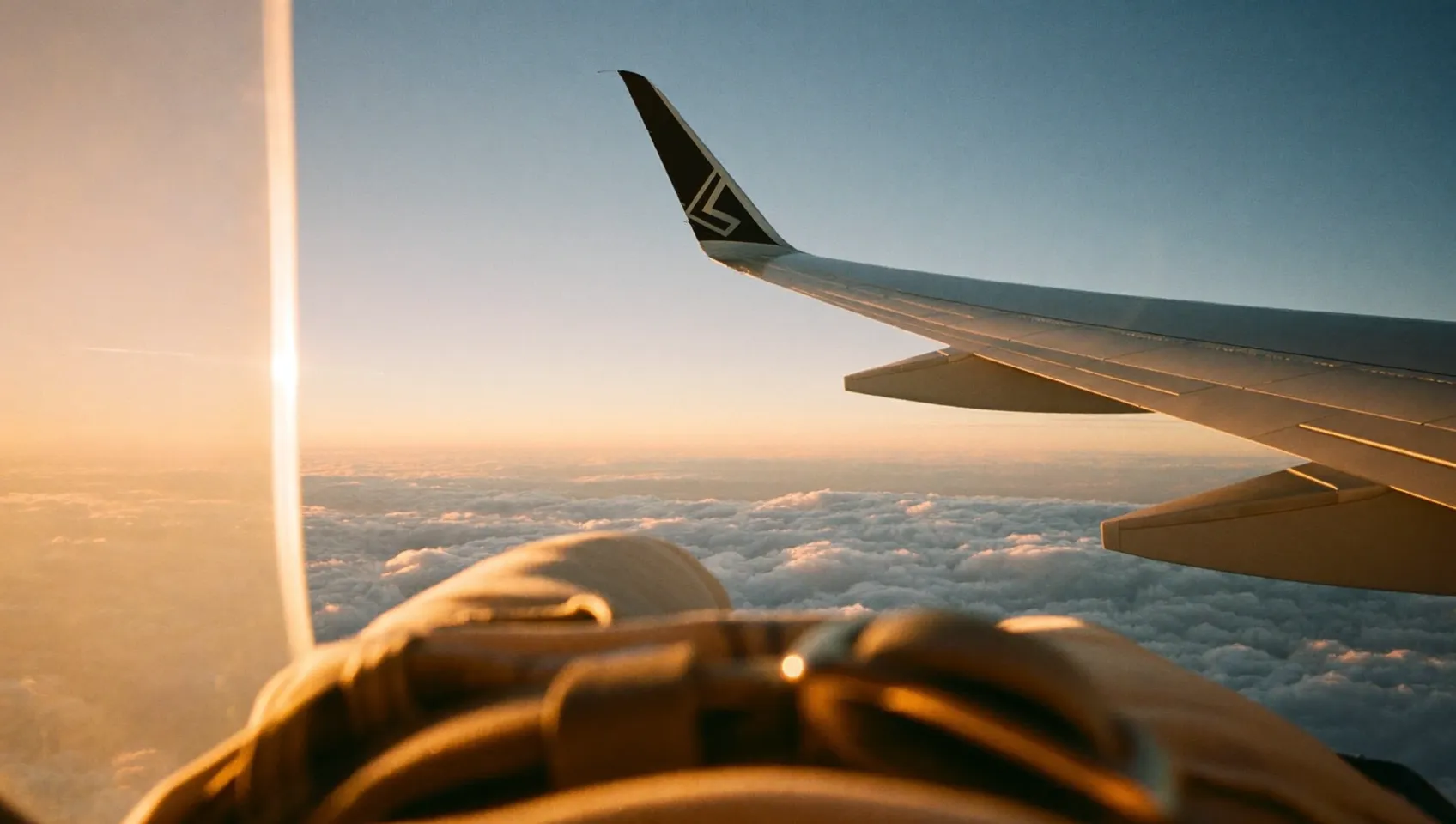
Turbulence is the jolting that occurs when an aircraft enters irregular air movements. It can happen in cloudy weather, but it can also occur in clear, cloudless weather. So looking at the sky and saying "it's calm today" is not a reliable measure.
The difficult part is this: turbulence is mostly unpredictable and cannot be detected by radar. It is not possible to foresee every jolt in advance. This uncertainty explains why passengers should always remain cautious.
For passengers, the conclusion is as follows:
- Unfastening your seatbelt just because the weather is clear means taking an unnecessary risk.
- Even if the seatbelt sign is off, it is recommended to keep the seatbelt fastened while seated.
- You cannot predict the intensity or duration of a jolt in advance; therefore preparation should be constant.
This uncertainty may seem frightening, but the solution is simple and entirely within your control. When you fasten your seatbelt, you do the one thing you can control in a situation you cannot control.
The seatbelt rule and differences between airlines
The US Federal Aviation Administration (FAA) rules require the seatbelt to be fastened in three situations: during landing, during taxiing, and at any moment during flight when the seatbelt sign is on. This is the mandatory minimum rule.
The minimum rule and best practice are not the same thing. Passengers are advised to keep their seatbelts fastened at all times, because turbulence can occur even without the seatbelt sign being on. Keeping the seatbelt fastened while seated keeps you in your seat during a sudden jolt.
There may be differences in detail between airlines and countries: when the seatbelt sign is turned on, how the cabin crew makes announcements, when service is paused, and so on. We do not give rote timeframes or numbers for these. Check the current rule of the airline you will be flying with and follow the cabin crew's announcements.
The seatbelt applies to every passenger seated in their seat. Even outside the moments covered by the minimum rule, keeping the seatbelt fastened is the recommended safe behavior.
Exceptions and common mistakes
The most common mistake regarding turbulence is unfastening the seatbelt thinking "it's not necessary." The seatbelt sign is off, the weather is clear, the flight seems calm; but turbulence can occur even in clear weather and is often unpredictable.
Other common mistakes:
- Removing the seatbelt or hiding it under a blanket while falling asleep. If the cabin crew cannot see that the seatbelt is fastened, they cannot warn you. Leave the seatbelt on top of the blanket.
- Standing in the aisle for a long time while the sign is off. Those who are standing are at the greatest risk during a sudden jolt.
- Placing items carelessly in the overhead bin. Heavy and loose items can shift during a jolt; place heavy items securely, and put fragile ones under the seat in front of you.
- Holding a hot beverage unsteadily on your lap or tray.
- Dismissing the cabin crew's announcement as "exaggeration" and delaying compliance.
The only situation that could be considered an exception is brief movements permitted by the cabin crew; for example, going to the restroom when the sign is off. Even then, keep in mind the possibility of sudden turbulence, and fasten your seatbelt immediately upon returning to your seat.
Step-by-step: what to do during turbulence
When a jolt begins, act in order rather than panicking. The goal is to secure yourself and the items around you.
- Fasten and tighten your seatbelt. If you are seated, this is the first thing to do. The belt should be fastened snugly over your hips.
- Listen to the cabin crew's announcements. The crew may pause service and ask you to return to your seat. Follow instructions immediately.
- If you are standing, sit in the nearest seat. Do not wait in the aisle or by the restroom door.
- Gather hot beverages and items on your tray table. Secure your laptop, phone, and cup, or put them in your bag.
- Check the safety of small children and infants. If you are holding an infant on your lap, check your airline's current rule for details.
- Breathe calmly. With your seatbelt fastened, you have done the right thing you can do.
Even after the jolt ends, do not get up until the seatbelt sign turns off. If you are injured or feel unwell, notify the cabin crew immediately.
Pre-flight checklist
If you're anxious about turbulence, most of the preparation is done before the flight. The list below gathers simple steps you can take after booking your ticket.
- Seatbelt habit: Fasten your seatbelt as soon as you sit down and keep it fastened throughout the flight.
- Seat selection: Choose a seat where you can easily see your seatbelt and that doesn't spill into the aisle. If you haven't booked your ticket yet, you can compare flight options on the search flight tickets page.
- Carry-on organization: Place heavy items securely in the overhead bin; put fragile items under the seat in front of you.
- Liquids and hot beverages: Ask for a cup with a lid during service and don't hold it unsteadily.
- Airline rule: Check your airline's current rule regarding seatbelts and cabin safety.
- Following cabin crew: Pay attention to announcements and signs; don't delay compliance thinking "it's just for a moment."
Once you complete this list, you will have minimized the controllable risk of turbulence. If you're planning a new flight, you can check flight tickets to evaluate date and time options.
Frequently asked questions
Is airplane turbulence dangerous?
Turbulence is normal and common, but it can be dangerous in some cases. The main risk is that passengers without a fastened seatbelt may be thrown from their seat and injured. This risk is significantly reduced when the seatbelt is fastened.
Can turbulence be predicted in advance?
Mostly not. It can occur even in clear and cloudless weather and cannot be detected by radar. For this reason, it is recommended to keep the seatbelt fastened while seated even if the seatbelt sign is off.
When should the seatbelt be fastened during a flight?
FAA rules require the seatbelt to be fastened during landing, during taxiing, and at any moment the seatbelt sign is on. In addition, passengers are advised to keep their seatbelts fastened at all times. Check your airline's current rule.
Can I remove my seatbelt while sleeping?
Do not remove it. Turbulence can occur without warning, and an unbuckled passenger can be thrown from their seat. Leave the seatbelt on top of the blanket so the cabin crew can see that it is fastened.
What should I do if I'm standing during turbulence?
Sit in the nearest seat and fasten your seatbelt. Follow the cabin crew's instructions immediately. Even after the jolt ends, do not get up until the seatbelt sign turns off.
Can turbulence occur in cloudless weather?
Yes. Turbulence can occur even in clear, cloudless weather. Therefore, a calm-looking sky is not a reason to unfasten your seatbelt.
Related pages
- What to Do About Lost Baggage? Claims and Compensation Process
- Does the Maldives Require a Visa? Updated Guide for Turkish Citizens
- What Is the Currency in Egypt, Are Credit Cards Accepted?
Sources
- Turbulence: Staying Safe — faa.gov
- Is It Dangerous for an Aircraft to Enter Turbulence? — bilimgenc.tubitak.gov.tr
My Travel Team
Travel Editor
The My Travel team prepares up-to-date travel, visa and tourism information and guides.