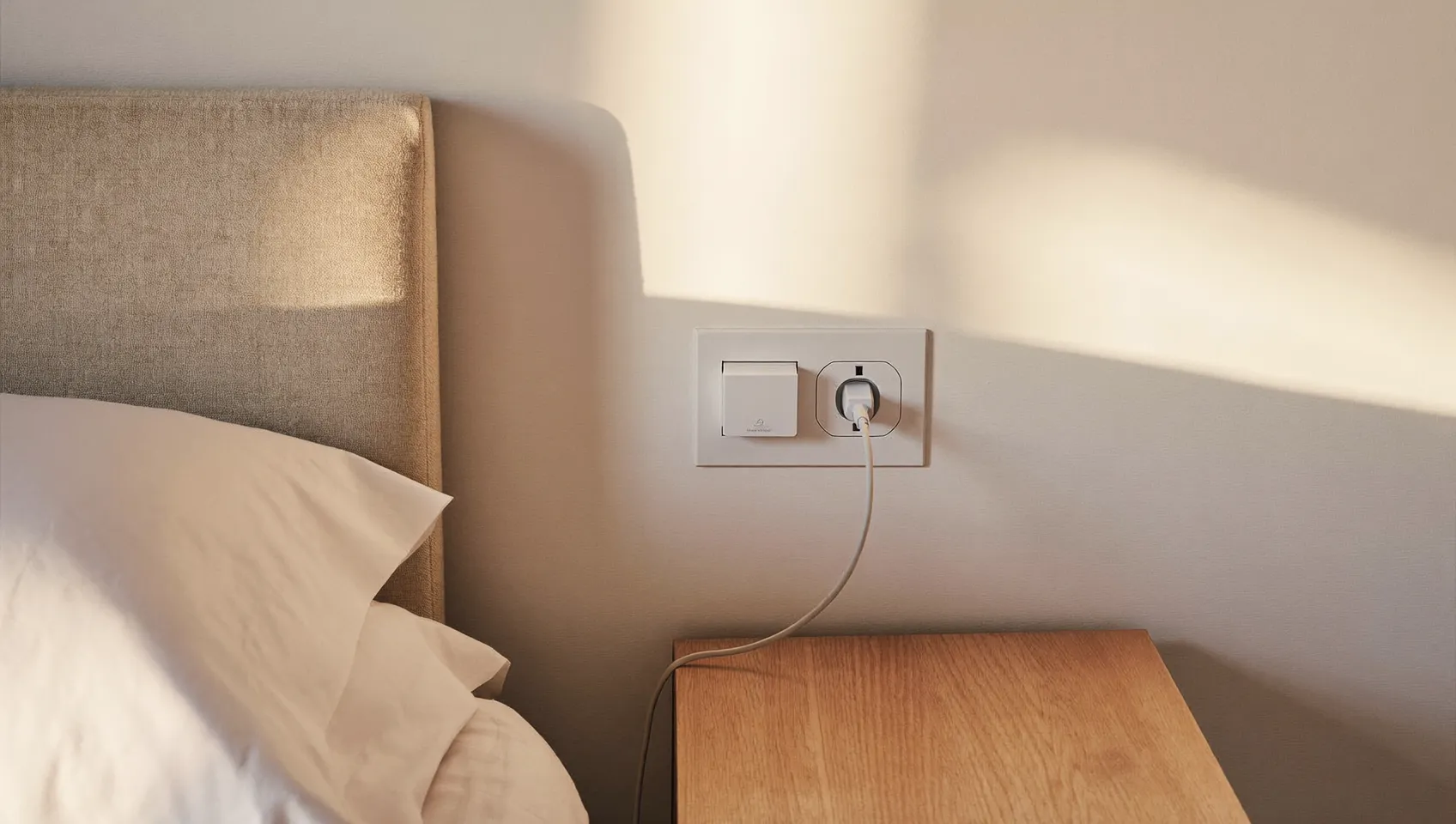
A voltage difference does not harm every device; it depends on the input line on the label. Label reading, country grids and a pre-trip checklist.
Does voltage difference damage devices? If the voltage range a device supports does not match the grid in the destination country, then yes, the device may be damaged. For devices whose label reads 100-240V, a plug adapter is enough if needed. Before you set off, read the input value on each device and compare it with the grid of the country you are going to.
In short
- The risk of damage depends on the match between the device's voltage range and the country's grid; the decision is based on the input line on the label.
- For devices labelled 100-240V ~ 50/60Hz, a plug adapter is enough if needed.
- A plug adapter does not change the voltage; single-voltage devices need a converter.
- Leave heat-generating devices like hair dryers at home, and confirm with the hotel.
The essence of the rule: voltage compatibility and plug compatibility are separate matters
The risk of damage depends on the match between the voltage range the device supports and the grid voltage of the destination country. If the range does not match, for example if the device is made for 110V but the outlet supplies 220V, the device may be damaged. If the range matches, the voltage difference causes no problem.
Do not confuse two concepts here:
- Voltage (V) and frequency (Hz): Determines whether the device will operate safely from an electrical standpoint.
- Plug shape: Determines whether the device will physically fit into the outlet.
A plug adapter only solves the second problem; it does not change the voltage. In other words, an adapter that matches the plug shape will not protect a device made for a single voltage on a different grid. For that, either the device must be dual-voltage or a converter that changes the voltage must be used.
Most charging adapters for phones, tablets and laptops work across a wide range. Still, this should not remain an assumption; it should be confirmed from the label. The rule is short: read the label, compare it with the country's grid, then plug in the device.
How to read a device label
Look for the «Input» line on the body of the device or charging adapter. If the device label says «Input: 100-240V ~ 50/60Hz», the device can operate on both low and high voltage. You can use such a device abroad with the correct plug adapter.
Three things to check on the label
- Input voltage: Is it a range (such as 100-240V) or a single value? If it is a single value, the device is only suitable for that grid.
- Frequency: If it says 50/60Hz, it supports both frequencies. If only one frequency is listed, problems may arise with motorized or timer-based devices.
- Output: This is the value the adapter supplies to the device. The line that determines compatibility with the country's grid is not the output but the input line.
It is stated that Apple USB power adapters are designed for sources between 100V AC and 240V AC, 50Hz–60Hz; this information is based on Apple Support text quoted on Apple Community and was not directly verified from the official page. Check the text printed on your own adapter.
The same method applies for chargers and power adapters of other brands. The text printed on the product is more reliable than general opinion. If the text is worn off or unreadable, do not try the device on that grid.
Grid differences by country
In Turkey the grid is 230V/50Hz, and in the US it is 120V/60Hz. According to Pegasus's plug and outlet guide, the US uses 120 V/60 Hz and Great Britain uses 230 V/50 Hz. These values produce three different scenarios:
- From Turkey to the US: Voltage drops to roughly half, and frequency becomes 60Hz. Devices labelled 100-240V will work. Devices labelled only 230V may perform poorly or not work at all; this is more pronounced in heat-generating devices.
- From Turkey to Great Britain: Voltage and frequency are the same. The only issue is the plug shape; a plug adapter is enough.
- Returning to Turkey with a device bought in the US: Using a device made only for 120V on a 230V grid carries the highest risk of damage. Check the label of any electronic product you buy while shopping from this angle.
For countries not listed, learn the grid value before you set off from your airline's plug and outlet guide or from the hotel you will be staying at. On multi-country routes, for example in a program covering several cities like Places to visit in Austria and tour routes or in Europe's museum routes, it is safe to verify plug and voltage information separately for each stop.
Which devices carry risk, which do not
Electronic charging devices and heat-generating or motorized devices behave differently.
Low-risk devices
Charging adapters for phones, tablets, laptops, cameras and power banks mostly have a wide input range. After confirming the label, only a plug adapter is needed.
High-risk devices
- Heat-generating devices such as hair dryers, irons, hair straighteners and electric kettles are mostly made for a single voltage.
- Motorized devices such as electric shavers and small kitchen appliances can also be affected by frequency differences.
- Devices with a clock or timer may malfunction if they operate based on frequency.
The most practical solution for these devices is not to bring them with you. Many hotel rooms have a hair dryer; ask the hotel before your stay. If you must get a converter, choose a model that can handle the device's power and do not exceed the limit printed on the converter. Small travel converters may not be suitable for powerful heat-generating devices.
The final word for a specific device is in the manufacturer's user manual.
Common mistakes
Most device failures abroad stem from a few recurring mistakes:
- Mistaking a plug adapter for a converter: An adapter does not change the voltage. If the label does not match, the device is at risk even though the plug fits.
- Only looking at the output value: The output line on a charging adapter is not related to the country's grid. The decision is based on the input line.
- Skipping the frequency: Even if voltage matches, a 50 or 60Hz difference can cause problems in motorized devices.
- Thinking an extension cord is a solution: A power strip only multiplies the plug, it does not change the voltage.
- Trying a device without a label: Trying an old device whose label cannot be read on a foreign grid is an unnecessary risk.
There is also the baggage side. If you put chargers and adapters in checked baggage and the baggage is delayed, you won't be able to charge your devices. It is smarter to keep your phone charging needs in your carry-on. Power bank carrying rules may vary by airline; check your airline's current rules.
Step by step: what to do before setting off
- Make a device list. Write down every electrical device you will bring: phone, laptop, camera, hair dryer, etc.
- Read each device's label. Check whether the input line shows a range (for example 100-240V ~ 50/60Hz). Take a photo and save it on your phone.
- Learn the grid of the country you are going to. Turkey uses 230V/50Hz, the US uses 120V/60Hz, Great Britain uses 230V/50Hz. For other countries, check your airline's plug and outlet guide.
- Sort devices into three groups: usable directly, needing only a plug adapter, or should not be brought.
- Prepare a plug adapter. Get one suitable for the plug shape of the destination country, preferably one with multiple USB outputs.
- Correspond with the hotel about heat-generating devices. Ask whether there is a hair dryer or iron.
- Observe the first use. If the device overheats, smells or makes noise, unplug it immediately.
If you are travelling with a group tour, you can also benefit from the hotel and guide information included in international tours regarding outlets and voltage. For individual plans, it is enough to ask the hotel about this at the reservation stage.
Checklist before setting off
Check off the following items one by one, a day before departure:
- Input voltage and frequency read on each device's label.
- Devices not labelled 100-240V set aside; left at home if necessary.
- The grid value (V and Hz) of the destination country checked.
- An adapter suitable for the country's plug shape in your bag.
- Confirmation obtained from the hotel for heat-generating devices, or the device left at home.
- If a converter is needed, a model suitable for the device's power chosen.
- Phone charger and adapter in carry-on baggage.
- The airline's current rule checked for power bank carrying.
- The label of electronics to be purchased abroad to be checked for compatibility with Turkey's grid.
Forgetting your charger is often a cheaper mistake than frying an incompatible device; but reading the label prevents both.
Frequently asked questions
Does voltage difference damage a phone charger?
If the charging adapter's label shows a wide input range (for example 100-240V ~ 50/60Hz), it will not cause damage. Only an adapter matching the plug shape is enough. If the label shows a single voltage, do not use it outside that grid.
Does a plug adapter also convert voltage?
No. A plug adapter only allows the plug to physically fit into the outlet. To change the voltage, a converter is needed, or the device must be dual-voltage.
Which devices work when travelling from Turkey to the US?
In Turkey the grid is 230V/50Hz, in the US it is 120V/60Hz. Devices labelled 100-240V will work with a plug adapter. Devices labelled only 230V may need a converter, or it may be safer to leave the device at home.
Is a converter needed when travelling from Turkey to the UK?
Usually not. Great Britain uses 230 V/50 Hz, the same as in Turkey. Since the plug shape is different, a plug adapter is enough.
What does a 100-240V label mean?
It means the device can operate on both low- and high-voltage grids. If the frequency line shows 50/60Hz, it supports both frequencies. In this case, you only need to get an adapter suitable for the country's plug shape if needed.
Should I bring a hair dryer abroad?
Usually there is no need. Heat-generating devices are generally made for a single voltage and may be damaged on an incompatible grid. Ask the hotel you will stay at whether it has a hair dryer; if not, prefer a dual-voltage model.
Do Apple chargers work in every country?
It is stated that Apple USB power adapters are designed for sources between 100V AC and 240V AC, 50Hz–60Hz (Apple Support text quoted on Apple Community; not directly verified from the official page). This information applies only to USB power adapters and should not be generalized to all Apple adapters. Check the input text on your adapter and get an adapter suitable for the country's plug shape if needed.
Sources
- Plug and Outlet Guide — flypgs.com
- Voltage - Apple Community — discussions.apple.com
My Travel Team
Travel Editor
The My Travel team prepares up-to-date travel, visa and tourism information and guides.