Contactless payment works in many countries, but if the limit is exceeded, a PIN is required. Prepare your card, currency choice and backup payment method before you travel.
Yes, contactless payment works abroad; contactless cards are accepted in many countries. However, a transaction limit may also apply to spending abroad, in which case you may need to insert the physical card and enter your PIN. The limit amount varies by bank and country; check your bank's current rule before you set off.
In brief
- Contactless payment works in many countries, but a transaction limit may also apply abroad.
- If the limit is exceeded, a PIN and the physical card are required; bring both the card and the PIN with you.
- Choosing the local currency at the terminal helps reduce exchange rate losses.
- Turn on your foreign usage setting before you travel and find out the limit from your bank.
- A backup card and a small amount of cash will help where contactless doesn't work.
The gist of the rule: contactless works, but there's a limit
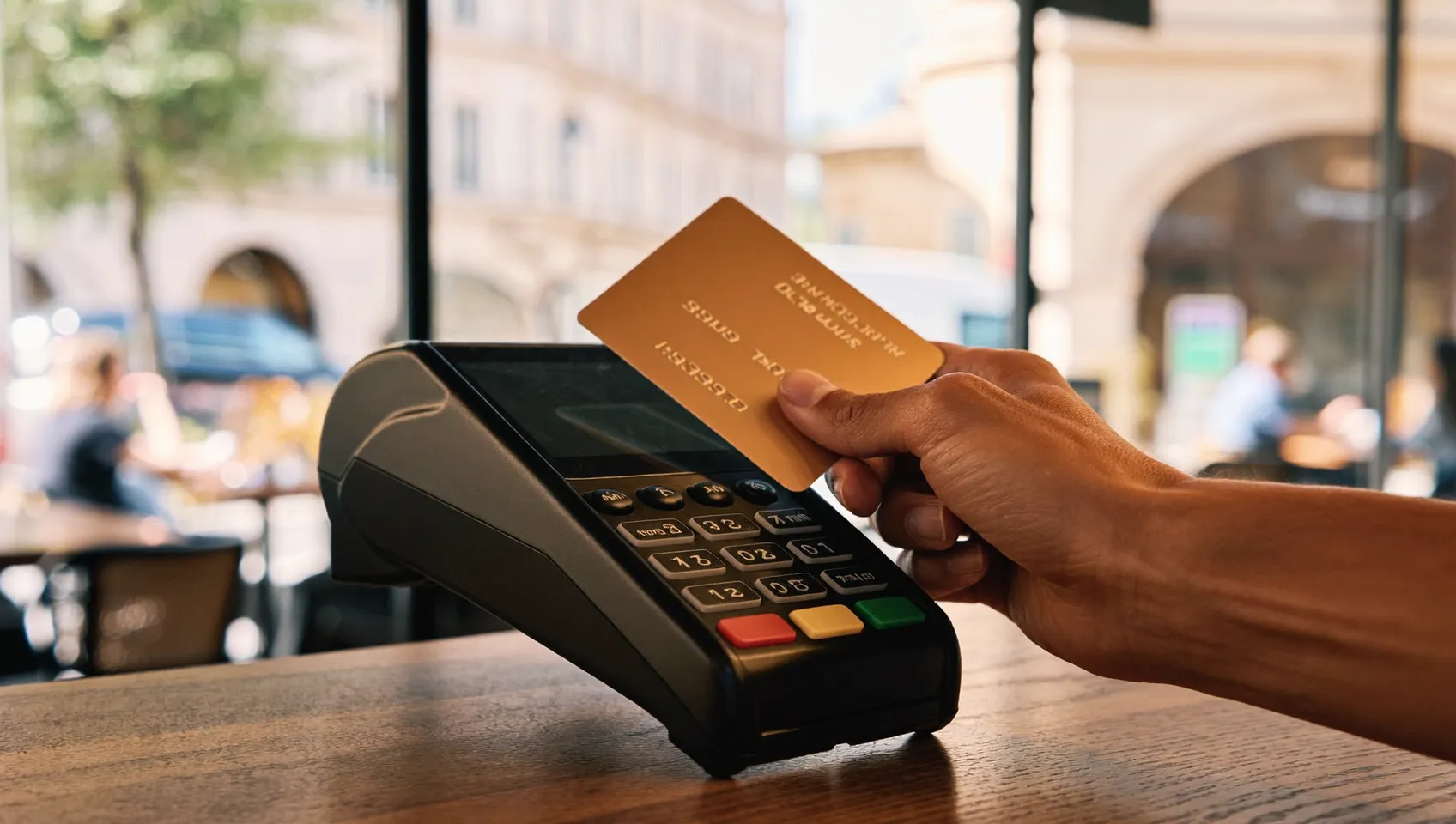
Contactless payment is a transaction made by tapping the card or phone on the terminal without a PIN. It is used in many countries at supermarkets, restaurants, cafes, shops and public transport. If your card has the contactless symbol, it's worth trying abroad too.
Know these two points in advance:
- A transaction limit may also apply to spending abroad. When the limit is exceeded, the terminal will ask for your PIN.
- The limit amount varies by bank, card and country. We do not give a figure in this article; find out the amount from the channels of the bank that issued your card.
The practical conclusion is this: treat contactless payment as your main method, but always carry the physical card and its PIN with you. In a transaction requiring a PIN, the digital card on your phone alone may not be enough. Also, not every business uses a contactless terminal. Small shops, markets and rural areas may require cash or chip payment. So don't plan contactless as the only solution; set up a backup payment arrangement.
Differences: card, phone and terminal
Even within the same country, not every payment point works the same way. Think about the differences under three headings.
Physical card and phone wallet
Contactless payment with a physical card is the simplest method for transactions below the limit. The digital wallet on your phone also works at most terminals, but PIN or phone lock verification may be requested. Take into account the moment your phone's battery dies or the internet is cut off.
Debit card and credit card
Foreign usage settings for credit cards and debit cards may differ. For some cards, you need to turn on a setting in the app to allow transactions abroad. Check the setting before you set off; a card that is disabled abroad will not work no matter how close you hold it to the terminal.
The terminal itself
Hotel reception, car rental, deposit-taking places and some ticketing points mostly want you to insert the card into the slot or show the physical card. Do not rely on contactless for these transactions. Keep the card ready and don't forget your PIN.
In short: contactless provides convenience for small daily spending, while the physical card comes into play for large transactions requiring security.
Reducing exchange rate loss: which currency should you pay in?
Abroad, the terminal sometimes offers you two options: local currency or Turkish lira. The latter may seem easier at first glance, but the exchange rate for the transaction is set by the organization behind the terminal and is usually to your disadvantage. The general recommendation is to confirm the transaction in local currency.
If no choice appears on the screen, check the receipt. The receipt shows which currency was used. If you notice a wrong choice, it's easier to have the transaction cancelled before it's completed than to try to fix it afterward.
Other items affecting exchange rate loss vary by bank: foreign transaction commission, exchange rate difference and foreign currency account option. We do not give rates for these in this article; check your bank's current tariff page. It may make sense to open a foreign currency account matching the currency of the country you're visiting, or to bring a small amount of cash with you.
Another detail: keep payment notifications turned on. Instant spending notifications let you both track your budget and immediately notice unauthorized transactions.
Exceptions and common mistakes
The situations that disrupt a contactless payment plan are generally the same.
- Leaving the card disabled for foreign use. If the setting is off, the transaction will be rejected.
- Traveling with only one card. If the card is lost, blocked, or the magnetic strip is damaged, you'll have no backup.
- Not remembering the PIN. This is the most common stumbling point when the limit is exceeded or the terminal asks for a PIN.
- Choosing Turkish lira instead of local currency. This can increase exchange rate loss.
- Relying only on the phone. Battery, connection or terminal incompatibility issues can cause problems.
- Being without cash. Restrooms, small markets, tips and some local transport may require cash.
There's also a security side: check the amount on the screen while tapping the card on the terminal and keep the card in view. Don't ignore a security call or message from your bank after a transaction abroad; the card may have been stopped for security reasons.
If your bank's rule on these matters differs, its current text applies. Confirm the rule through your bank's app or customer service.
Step by step: what to do before you set off
Finish your card preparation a few days before the trip; a transaction left to the last day with faulty settings will show up at the airport.
- Check the card's expiry date. Renew a card that will expire before the trip ends.
- Enable foreign usage. Check the foreign transaction and contactless payment settings in the bank app.
- Find out the limit. Ask your bank about the contactless transaction limit and the daily spending limit. Increase it if necessary.
- Verify the PIN. Make sure you know the card's PIN.
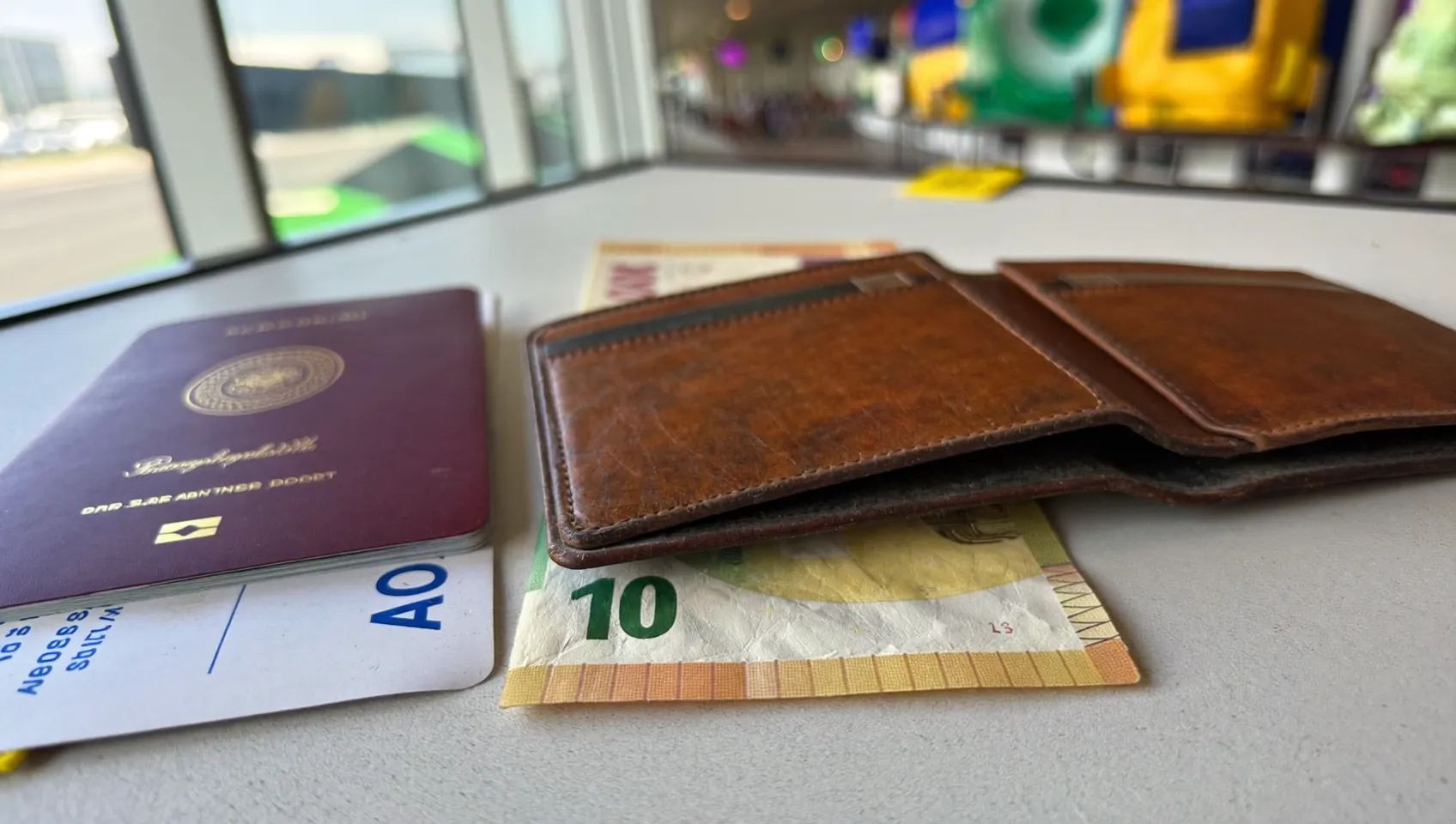
- Determine a backup method. Get a second card and a small amount of cash. Don't carry the cards in the same bag.
- Turn on notifications. Spending SMS or app notifications make budget control easier.
- Save the emergency number. Save your bank's number that's reachable from abroad in case of card loss, both on your phone and on a note.
For your other preparations before the flight, you can also check the steps in our article how to do online check-in. This way, documents and payment preparation are gathered in the same list.
Payment plan by route
Contactless payment habits vary from country to country, even from city to city. Card acceptance is common in big cities, airports and chain stores; cash may be requested in small towns, markets and some traditional businesses. So build your payment plan together with your route.
On a route where you'll travel city by city, a small cash need may arise on the first day at each accommodation point. In multi-stop plans like the one in the Germany route guide, review the card and cash balance according to the cities. The same logic applies for short trips; for short getaways like the October 29 holiday abroad route suggestions, a backup card stands out instead of carrying a lot of extra cash.
In group tours, the payment side is more predictable; accommodation, transportation and some excursions are paid in advance, leaving only personal expenses. On the tours abroad page, you can check the package scope and determine in advance which expenses you'll cover separately. This reduces both exchange rate loss and unnecessary cash carrying.
Checklist before you set off
Tick off this list one by one before departure:
- The card's expiry date covers the trip.
- Foreign transaction and contactless payment setting is on.
- I know what the contactless transaction limit and daily limit are.
- I remember my card PIN.
- I have at least one backup card alongside the physical card.
- The cards are carried in different places.
- I've prepared a small amount of local cash or plan to withdraw it at the destination.
- The bank's emergency number reachable from abroad is saved on my phone and on paper.
- I've turned on spending notifications.
- I know I'll choose the local currency at the terminal.
- If I'll use a phone wallet, I have a charger and a backup payment method with me.
If this list is complete, you can use contactless payment with confidence. If any item is unclear, especially regarding the limit and commission, check your bank's current rule. No amount in this article replaces your own bank's tariff.
Frequently asked questions
Does contactless payment work abroad?
Yes, contactless cards are accepted in many countries. However, a transaction limit may also apply to spending abroad. If the limit is exceeded, you may need to insert the physical card and enter your PIN.
What is the contactless payment limit abroad?
The limit varies by bank, card and country; there is no single applicable amount. Find out your own card's limit from your bank's app or customer service. If necessary, ask before you set off whether the limit can be changed.
Is a PIN required for contactless payment?
Generally not for transactions below the limit. When the limit is exceeded or the terminal requests additional verification, you may need to enter a PIN. That's why it's important to know your PIN and carry your physical card with you.
Should I choose Turkish lira or local currency abroad?
The general recommendation is to pay in local currency. If the terminal offers a Turkish lira option, the exchange rate is usually set by the party operating the terminal and exchange rate loss may increase. Check the receipt to see which currency was used.
Does contactless payment with a phone work abroad?
It can work at most contactless terminals, but it's not guaranteed everywhere. Battery, connection or verification issues can occur. Carry a physical card and a small amount of cash with you.
Is it enough to travel abroad with only a card?
You can manage with a card in most big cities, but traveling with only a card is risky. The card may be lost, blocked, or some places may not accept it. A second card and a small amount of cash are the safest backup arrangement.
Sources
- Guide to Payment Abroad: Should You Use Cash or a Credit Card? — isbank.com.tr
My Travel Team
Travel Editor
The My Travel team prepares up-to-date travel, visa and tourism information and guides.