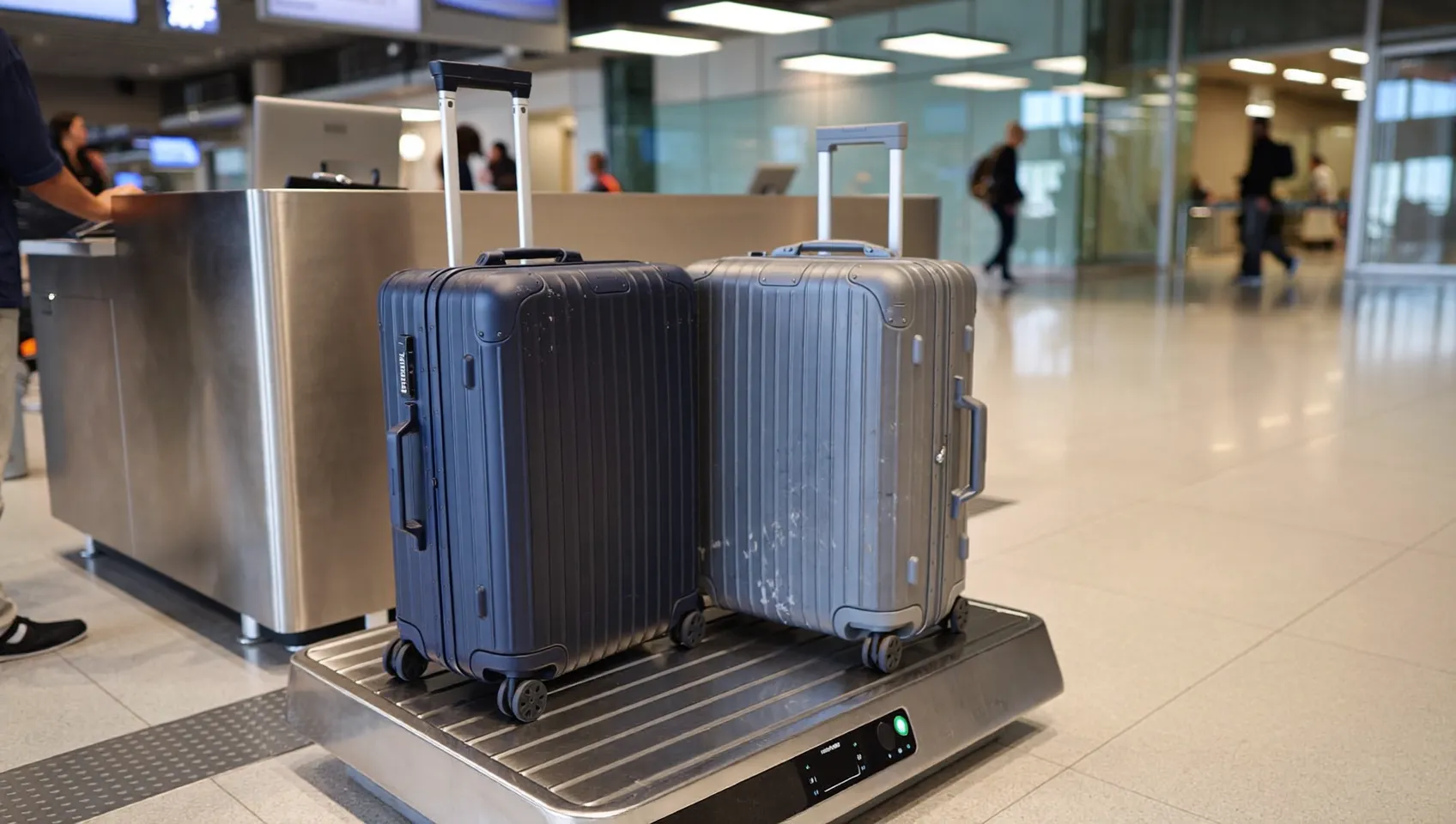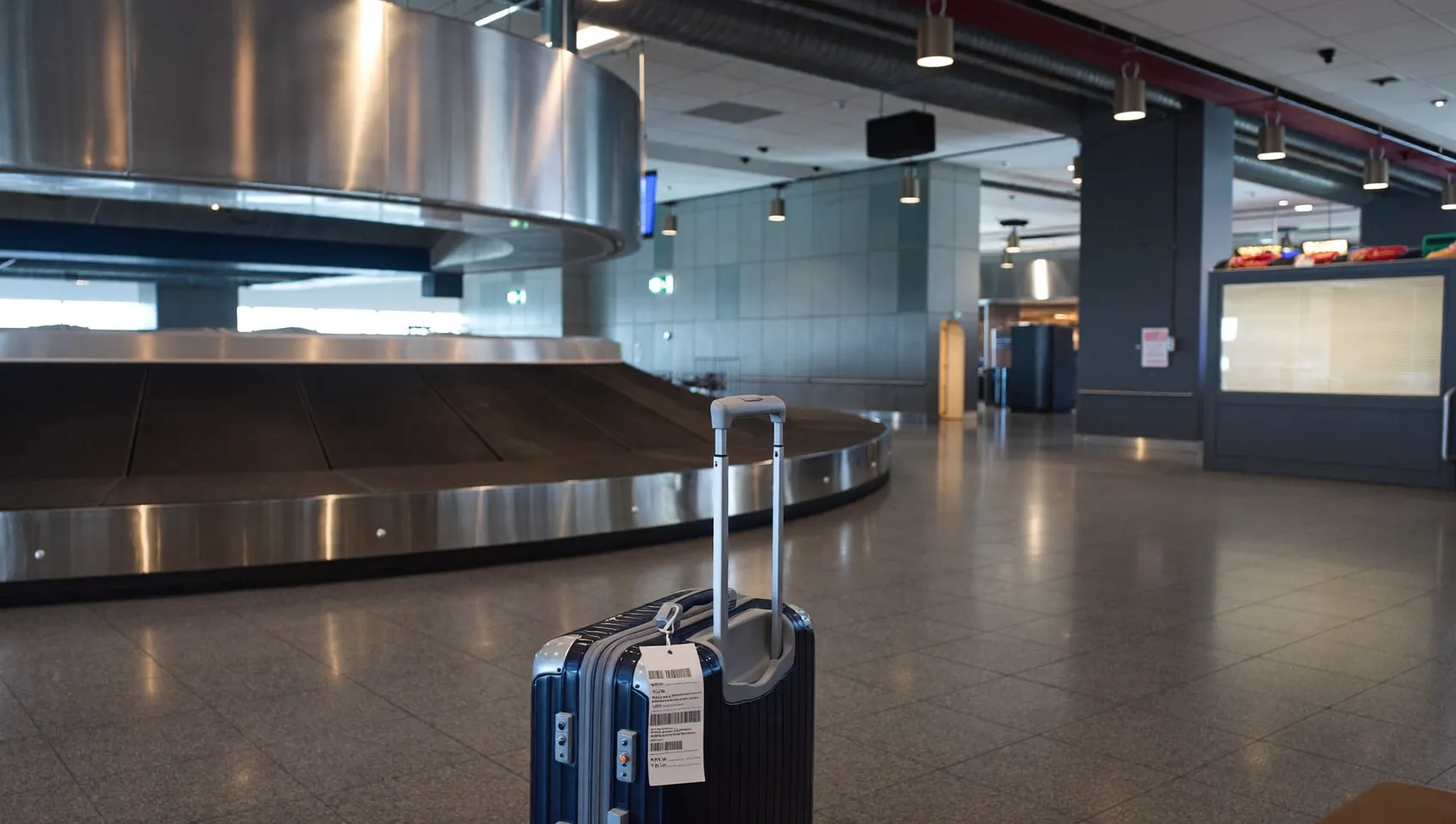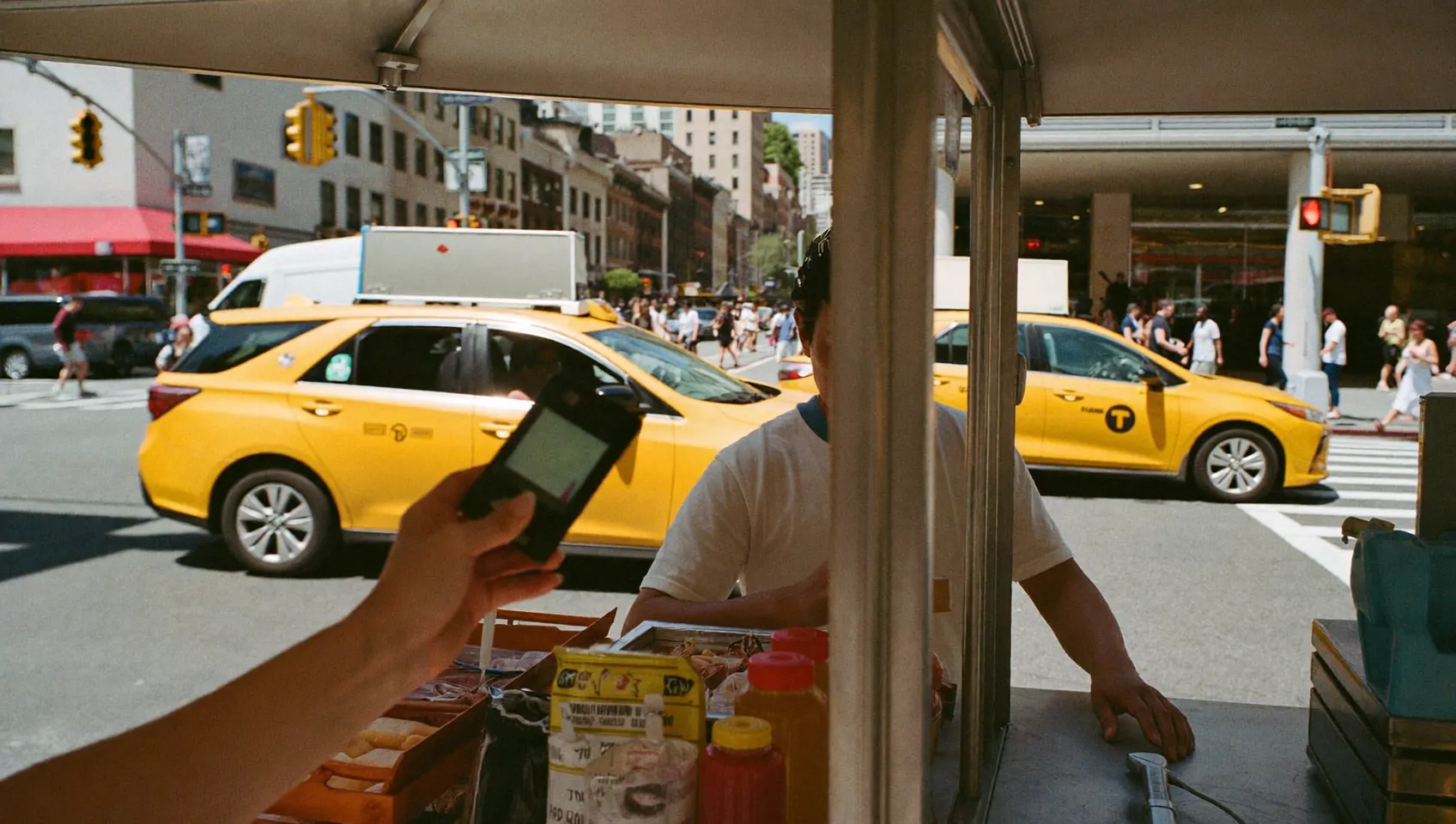
Payments in the US are made in dollars, and credit cards work almost everywhere. Cash needs, the $10,000 reporting limit and what to do before you travel.
The currency in the United States is the US Dollar (USD), and credit cards work almost everywhere. Still, you need to carry a small amount of cash dollars for tips and small businesses. On this page you'll find where cards work, where cash is needed, the money-carrying limit and a pre-departure checklist.
In brief
- Payments in the US are made in dollars; euros or Turkish lira are not accepted.
- Let credit card be your main payment method, but carry a little cash for tips and small expenses.
- Choose the dollar option at the terminal; get your foreign-use permission enabled at your bank beforehand.
- If your total money exceeds the equivalent of $10,000, you must declare it to the CBP.

The core rule: the currency is the dollar, the main tool is the card
The official currency of the US is the US Dollar; its international code is USD. You cannot pay with euros, Turkish lira or any other currency in the country. Shops, restaurants, hotels, taxis and museum ticket counters all require dollars.
Credit cards are the main tool for daily spending. Chip and contactless payments with Visa and Mastercard are widespread in big cities, from supermarkets to restaurants, from public transport to museums. Cards are already expected at hotel check-in and car rental; a credit card is usually requested as a deposit.
So the safest setup is this: credit card as the main payment method, a small amount of cash dollars as backup. Cash is needed for tips, small businesses, parking and some service payments. If your card gets blocked or a terminal doesn't work, cash will save you, so don't travel without any.
A visa is also required for the trip: a consular visa is mandatory for Turkish citizens. For application details, see the US visa page.
Where cards work, where cash is needed
Places where cards work easily
- Hotels, motels and accommodation reservations
- Restaurants, cafés and fast-food chains
- Supermarkets, shopping malls and outlets
- Airport shops and car rental companies
- Museums, tourist attractions and online ticket sales
- Gas stations (if the card isn't recognized at the pump, go to the cashier)
Places where cash comes in handy
- Tips: If not added to the bill at a restaurant, left for hotel staff and baggage handlers. A service charge may already be listed on the receipt, so check it.
- Small businesses: Street vendors and some market stalls and neighborhood shops may not accept cards.
- Parking and some transport payments: Barrier parking lots and some buses may require cash.
It's practical to pay large amounts by card and small tips and urgent expenses in cash. A card hold (authorization) may be placed for hotels and car rentals; make sure your limit can cover it.
Paying with a Turkish card: commission and currency choice
Credit and debit cards issued in Turkey work with Visa or Mastercard infrastructure in the US. However, your bank's foreign-use option must be enabled. Before you leave, check your foreign transaction permission and spending limit via mobile app or customer service.
A common question arises at the POS terminal: would you like to pay in dollars or Turkish lira? The terminal offers the lira option by applying its own exchange rate. This option is usually to your disadvantage. Choose the dollar option and let your bank handle the conversion.
Exchange rate margin, foreign transaction commission and cash withdrawal fees vary by bank and card type. Check the current rate with your bank; we don't provide figures on this page. Cash withdrawal from ATMs is possible, but both the ATM owner and your bank may charge fees. So a few large withdrawals may be cheaper than many small ones.
Carry your cards with backup: one in the hotel safe, one in your wallet. Test whether your digital wallet works abroad before using contactless payment with your phone.
Money you can carry and the $10,000 rule
There is no limit on the amount of money you can bring in or take out when entering or leaving the US. However, if the total amount you're carrying exceeds $10,000, you must declare it to Customs and Border Protection (CBP). Declaration is made with the FinCEN 105 form.
This limit is calculated as US dollars or the equivalent in foreign currency; that is, euros and other currencies are included in the total. Even if multiple travelers are in the same group, understating the amount creates legal problems. Declaring is not a crime, failing to declare is the issue.
In practice, you don't need to carry this much for a tourist trip. Covering large expenses with a card and the rest with limited cash is both safe and trouble-free. Still, if you'll be carrying an amount close to the limit, check the current rule with your airline and CBP before your trip.
Buy your cash dollars in Turkey before departure, at a reasonable rate and from a trusted institution. Torn or very old banknotes may not be accepted in some places, so ask for clean, well-kept banknotes.
Common mistakes
The most common traps travelers fall into regarding money in the US are:
- Carrying no cash at all. Even a small amount is useful for tips and unexpected payments.
- Traveling with only one card. If the card is lost or blocked, you have no alternative left.
- Not enabling foreign-use permission. The bank may block the card on the first transaction for security reasons.
- Choosing lira at the terminal. The dollar option is usually more advantageous.
- Not accounting for the hold at hotels and car rentals. The blocked amount temporarily reduces your limit.
- Assuming the tip is already included. Check the receipt for whether a service charge is listed.
Another common mistake is bringing only a debit card instead of a credit card. Some hotels and rental companies require a credit card as a deposit; a debit card may not be accepted for this transaction.
Finally, don't overlook the visa issue. For this trip, the B1/B2 application fee is $185, the processing time including interview wait is 2-4 months, and the visa can provide multiple entry for up to 10 years. The length of stay is determined by CBP at entry.
Step by step: preparing your money before departure
- Arrange the visa. A consular visa is required; follow the application process on the US visa page. Start early since processing takes 2-4 months.
- Call your bank. Talk to your bank about foreign usage, limit, commission rate and, if needed, travel notification.
- Prepare two cards. Ideally at least one should be a credit card; keep them in separate places.
- Get a small amount of cash dollars. Prefer coins and small bills for tips and small expenses.
- Test your digital wallet. Check your contactless payment method before leaving the country.
- Calculate your total money. If the amount you're carrying exceeds the equivalent of $10,000, be prepared for a CBP declaration.
- Budget according to your trip plan. Think ahead about which days you'll need cash.
If you want to travel with a plan, you can check out our international tours; you can find US routes on this page. If you want to see the west coast, the Los Angeles, Las Vegas and San Francisco route may suit you. For the east coast, there's the New York, Orlando and Miami tour. Check the tour page to see which expenses are included in the package.
Pre-departure checklist
Before heading to the airport, tick off these items one by one:
- Passport and visa are valid and with you
- Bank's foreign transaction permission is enabled, limit is sufficient
- At least two payment methods, one of them a credit card
- PINs and chip-use passwords for the cards are remembered
- Cash dollars in small bills are ready
- Total money carried is below the equivalent of $10,000, or a declaration plan is made
- Your phone's contactless payment app has been tested
- Card loss hotline numbers are saved on your phone and on paper
- Limits set aside for hotel and car rental holds
- You remember to choose the dollar option at the terminal
If you lose your card, first call your bank to cancel it, then switch to your backup card. Don't carry all your cash in one place; leave some of it in the hotel safe.
Each airline's cabin and baggage rules may differ; carry your cash and valuables in your carry-on at departure. If you're planning another route, you can also check our ETIAS guide for Europe.
Frequently asked questions
What is the currency in the US?
The currency of the US is the US Dollar, abbreviated as USD. Payment cannot be made in euros or Turkish lira. You pay in dollars or with a card charged in dollar equivalent.
Does a credit card work in the US?
Yes, Visa and Mastercard are widely accepted at supermarkets, restaurants, hotels and car rentals. Some small businesses and parking lots may require cash. It's good to carry a small amount of cash dollars as backup.
How much cash can be carried to the US?
There is no limit on the amount of money that can be brought in or taken out at entry and exit. If the total amount exceeds $10,000 (US dollars or foreign currency equivalent), it must be declared to the CBP. Declaration is made with the FinCEN 105 form.
Should I choose lira or dollar when paying in the US?
If the terminal offers you a payment option in lira, choose the dollar option instead. In the lira option, the terminal sets the exchange rate and it's usually to your disadvantage. Let your bank handle the conversion.
Is tipping given in cash in the US?
Tips can be left either in cash or by card, but cash is practical for hotel staff and baggage handlers. Check the receipt if a service charge is already listed at a restaurant. So it's useful to carry small bills.
Should Turkish citizens get a visa for the US?
Yes, a consular visa is required for Turkish citizens. The B1/B2 application fee is $185 and the processing time, including interview wait, is 2-4 months. The visa can grant multiple entry for up to 10 years; the length of stay is determined by CBP at entry.
Sources
- Country Profile / Republic of Türkiye Ministry of Foreign Affairs — mfa.gov.tr
- cbp.gov — cbp.gov
My Travel Team
Travel Editor
The My Travel team prepares up-to-date travel, visa and tourism information and guides.