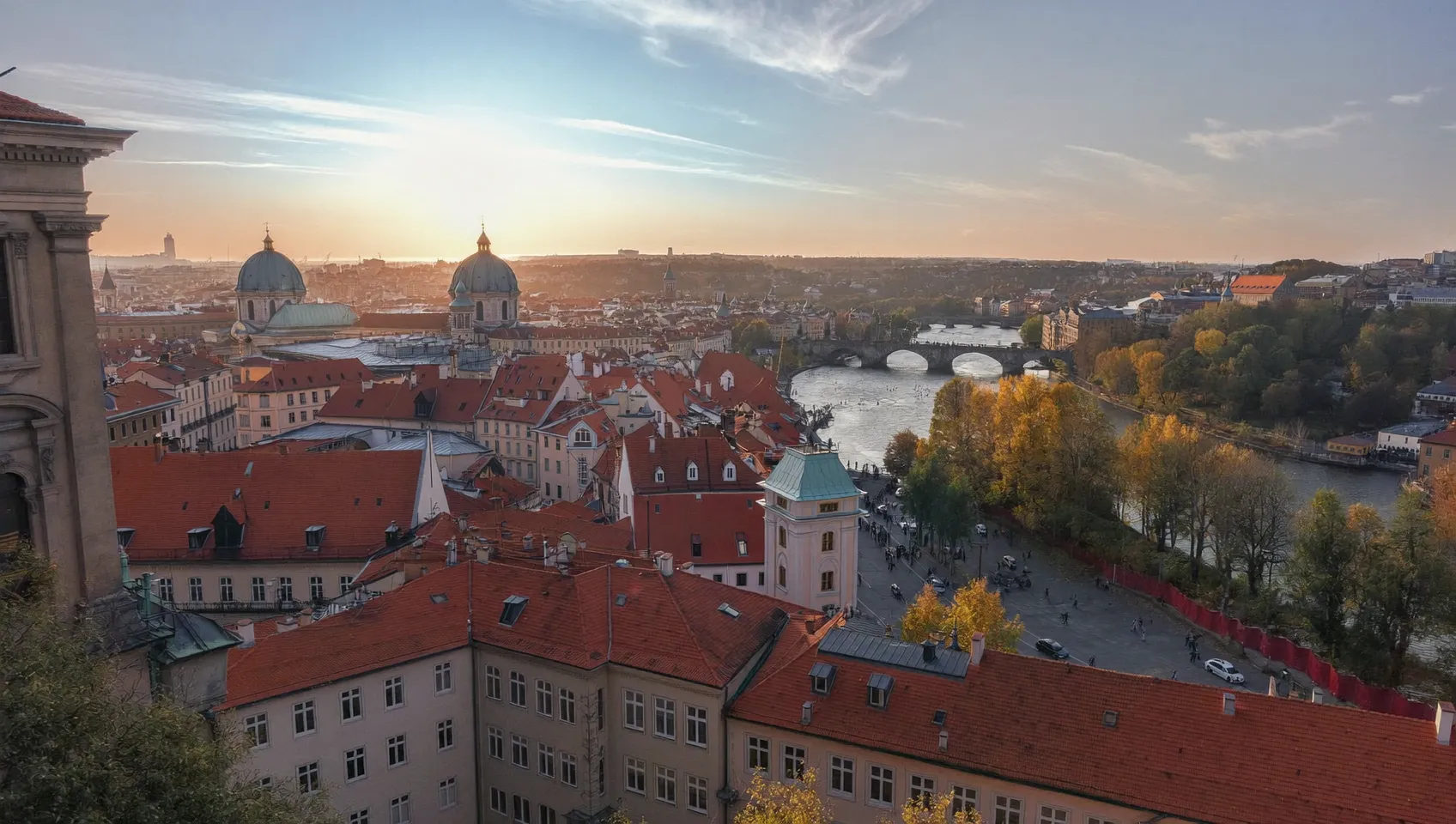
Which month is best for Czechia? Weather and crowds by season, Prague and side routes, Christmas market period, Schengen visa calendar, and October departures.
The best time to visit Czechia is May and September; early December is also a strong option for those who want the Christmas market. Travellers from Turkey must obtain a Schengen visa. Here we answer the question of when to visit Czechia in order, based on season, budget, route and visa calendar.
In brief
- May and September are the most balanced months; early October is a good alternative for price and crowds.
- For the Christmas market, choose late November or early December; the New Year week is expensive and crowded.
- A Schengen visa is required: fee €90, processing 15-21 business days; factor in appointment time separately.
- Allow at least 3 days for Prague; add one night for Český Krumlov.
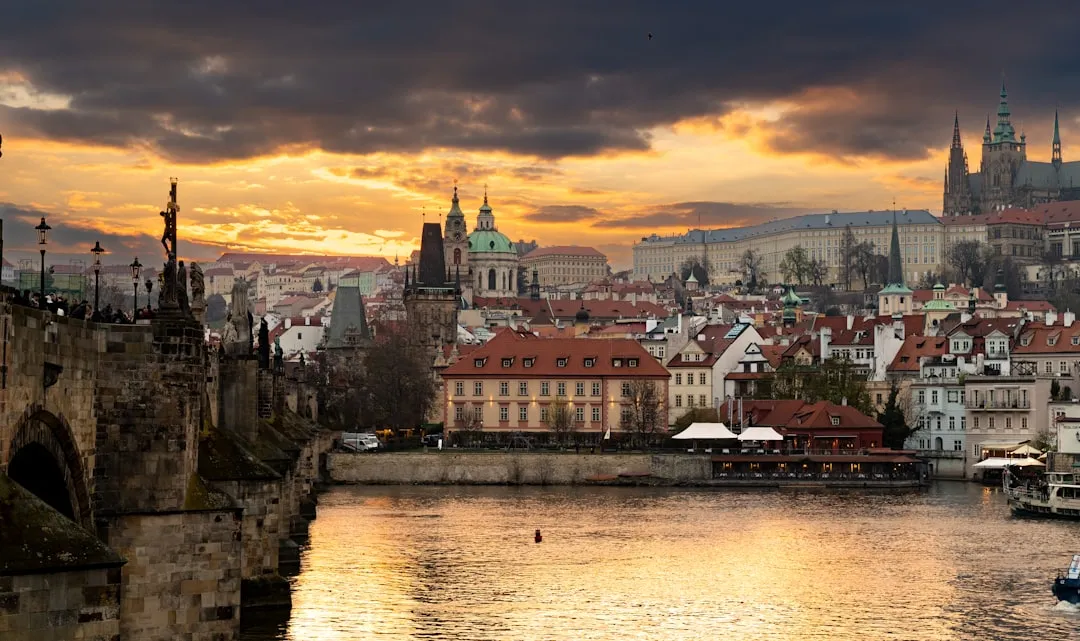
First, decide: Which month suits whom
There is no single correct month for Czechia; the right month depends on what you want to do. If you're planning a walking-focused trip around Prague and its surroundings, May and September are the most balanced months. If price and crowds are your priority, look at early October and the quiet weeks before winter. If you're looking for atmosphere, the Christmas markets in December can be reason enough to travel alone.
- March–May: Prague before the crowds grow; parks and gardens open, weather is variable.
- June–August: The longest daylight and outdoor activities; tourist density and hotel demand are at their peak.
- September–November: Balanced weather, changing leaf colors; days shorten towards November.
- December–February: Christmas markets, cold and short days; a plan focused on museums and cafés.
Let the decision order be as follows: first choose your date range, then plan your visa appointment, and finally finalize your flight and hotel. The visa process is the real constraint that determines this order; details are in the section below. Building the calendar backwards also protects you from last-minute price increases.
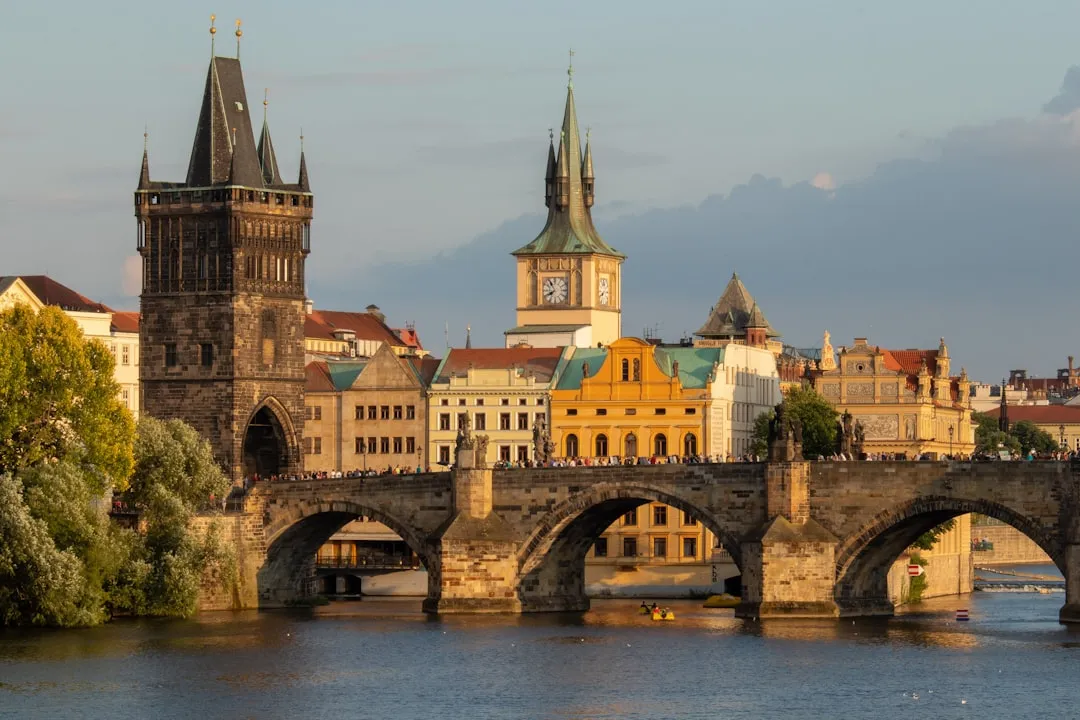
Spring: March, April and May
In early March, Prague can still be cool and overcast; this month is suitable only for a short city trip and a museum-focused plan. April and May are more favorable for walking: trees turn green, café terraces open, and the main squares can be visited before reaching summer crowds.
Practical rules for spring:
- Dress in layers; the difference between morning and afternoon can be significant. Bring a foldable umbrella against rain.
- Allow at least 3 days for Prague: the Old Town, the Castle area and the Jewish Quarter are each separate half-days.
- Add Kutná Hora or Karlštejn as a day trip; they are quieter on weekdays.
- On dates coinciding with Easter week, the city becomes lively due to markets and events; book accommodation early.
Spring is one of the most suitable options for first-time travellers to Czechia; May in particular combines favorable weather and daylight hours before summer crowds begin. The only condition is flexible dates: due to the seasonal transition, the weather forecast only becomes clear as the trip approaches, so prefer a reservation that allows cancellation or change.
Summer: June, July and August
June, July and August are the busiest period in Czechia. Days are long; you can walk outdoors until late evening. Riverbanks, beer gardens and parks come alive. In return, Charles Bridge, Prague Castle and the Old Town Square become very crowded at midday.
Rules for summer:
- Go to the Bridge, the Castle and the Old Town early in the morning or late in the evening; avoid midday hours.
- Book your hotel well in advance; central options are the first to fill up in summer.
- Heat waves can occur; avoid guesthouses without air conditioning, bring water and a hat.
- If you're heading out of the city, allocate one night's stay for Český Krumlov; a day trip isn't enough, the town is much nicer in the evening once the tourists leave.
Summer is suitable for families with children and those tied to school holidays. For those who just want to see museums and architecture, it is an unnecessarily crowded and expensive period. If your budget is limited, prefer the first half of June or the first weeks of September; the weather is similar, the crowds are smaller.
Autumn: September, October and November
September is the month where Czechia's price, weather and crowd balance is best struck; early October is close to this same balance. Summer density disperses, leaves change color, walking along the Vltava riverside is pleasant. Towards November days shorten, fog and rain increase; keep a museum and café plan as backup.
October departures currently on sale include:
- Glow of Bohemia Prague Tour 3 Nights with Ajet Airlines: first departure 9 October 2026; for a short getaway.
- Glow of Bohemia Prague Tour 4 Nights with Ajet Airlines: first departure 12 October 2026; for those who want to see Prague without rushing.
- Magnificent Central Europe Budapest & Vienna & Prague 7 Nights: first departure 25 October 2026; includes a Bratislava tour, for those who want to see three capitals at once.
- Full Austria & Czechia Tour Route: 5 days, first departure 27 October 2026.
If you only want Czechia, choose one of the Prague tours; if you want to see multiple countries, choose the multi-city route. After mid-November, since daylight decreases, plan for indoor activities rather than walking. For all current departures, see the Czechia tours page.
Winter: December, January and February
December is Czechia's distinct season. Christmas markets are set up in the city's squares, most notably the Old Town Square in Prague; an intense atmosphere forms with mulled wine, baked goods and handmade ornaments. The markets' opening and closing dates vary from year to year, so check the city's official tourism page before buying tickets.
Rules for winter:
- If you want to see the markets, choose late November or early December; Christmas and New Year week are both expensive and very crowded.
- A thick coat, waterproof and non-slip shoes, and gloves are essential; icy pavements are the most common issue.
- Since days are short, schedule museums and churches for the day and markets for the evening.
- Consider Karlovy Vary in winter for spa and relaxation; it's not a suitable time for outdoor touring.
January and February are the quietest months. There may be a price advantage but the weather is harsh; choose this period only for a short, culture- and museum-focused city break. If your first Czechia experience will be a winter trip, choose the Christmas period: against the cold, there is the most to see at that time.
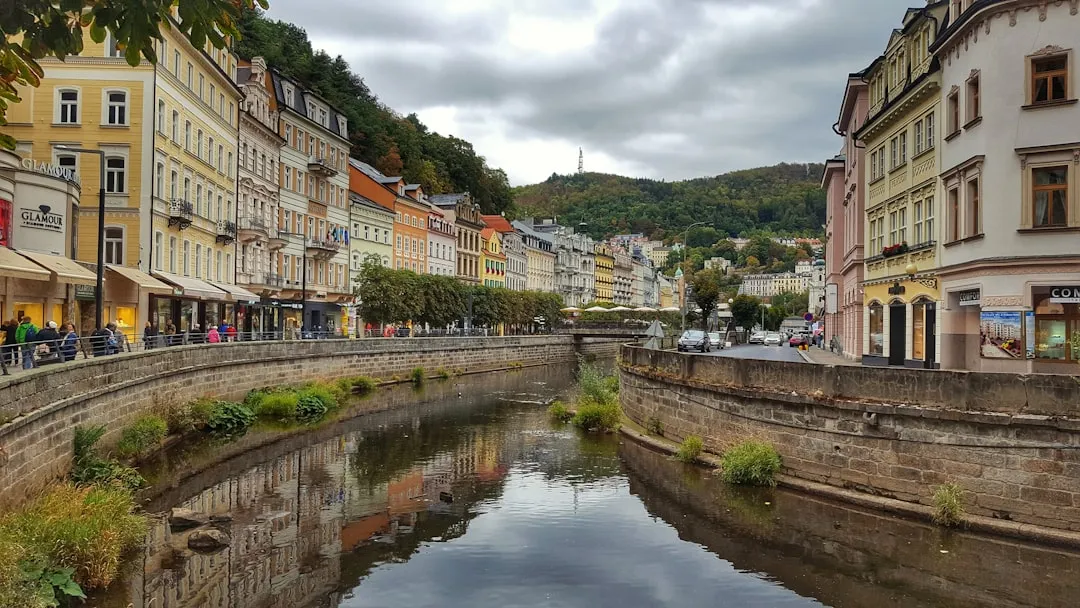
Route choice: Prague, Český Krumlov and Karlovy Vary
As much as choosing the month, the route also determines the quality of the trip. If your time in Czechia is limited, don't plan more than three stops.
Prague
For a first visit, the base is Prague. Allow at least 3 days: the Old Town and Charles Bridge one day, the Castle and Malá Strana one day, the Jewish Quarter and the Vltava riverside one day. It can be visited in every season; density increases most in summer and December.
Český Krumlov
Allow at least one night for this medieval-looking small town. Late summer and autumn are the most suitable periods; in winter some venues may operate with limited hours, check before you go. A single-day visit is possible but tiring, and you'll miss the town's evening atmosphere.
Karlovy Vary
The spa town of Karlovy Vary is suitable for a day or a night. Autumn and winter make more sense for those seeking tranquility. It's not the right address for those expecting a beach-like summer holiday.
On a short holiday, focus only on Prague. If you have close to a week, add Prague plus one side stop. If you want to see more countries, Central Europe tours strike this balance for you.
Visa and timing: Build the calendar backwards
Czechia is in the Schengen area. For Turkish citizens the visa status is a Schengen visa; this information was confirmed from the official source on 1 August 2026. The permitted stay is 90 days / 180 days. The visa fee is €90, processing time is 15-21 business days. Appointment availability time is outside this processing time; leave extra margin for appointments in busy season as well.
The direct effect on your calendar: in periods of high demand such as summer or December, apply at least a few weeks before your travel date. If you don't want to finalize flights and hotel before visa approval comes through, choose a reservation with flexible cancellation terms.
For the current document list and application steps, see the Czechia visa page. If you make more than one European trip per year, read the Schengen trusted traveller formula; it explains who can access multi-year visa options.
Rule: start gathering documents at least two months before your travel date. Don't buy a non-refundable ticket before obtaining the visa.
Holiday periods, flights and multi-country routes
Official holidays in Turkey also affect demand for Czechia. The 29 October week, a short holiday opportunity, is the best-known example of this; tickets and hotels fill up fast around these dates. You can find route options in our 29 October holiday routes abroad article. The Full Austria & Czechia Tour Route departing 27 October and the Super Promo Austria & Czechia Tour Route are options close to this date.
For those wanting to see multiple countries, the A Central European Tale Tour with Berlin and Hallstatt is suitable. Its first departure is 12 October 2026; for the flight and city order of the 7-night route, refer to the itinerary on the tour page. If you'll plan the Germany side in detail, check the Germany places to visit guide.
Practical rules for flight day:
- Review the online check-in steps before your flight; times vary by airline.
- On tickets with different departure and arrival cities, check baggage and transfer times separately.
- During holiday week, go to the airport earlier than usual.
Final decision: for a calm trip, May, September or early October; for atmosphere, early December; for a multi-city route, late October departures.
Frequently asked questions
Which month is best to visit Czechia?
Generally, May and September are the most balanced months: days are long, weather is suitable for walking, and there's no summer crowd. If price and crowds are a priority, choose April or early October. For the Christmas market, early December is the best period.
Can you visit Czechia in winter?
Yes, it's a good time especially in December due to the Christmas markets. For the cold and short days, a thick coat and non-slip shoes are needed. January and February are quieter but harsh; suitable for short, museum-focused trips.
Is a visa required for Czechia?
Turkish citizens need a Schengen visa. The permitted stay is 90 days / 180 days; the fee is €90, processing time is 15-21 business days. Check the Czechia visa page for current requirements.
How many days are enough for Prague?
For a first visit, allow at least 3 days. In this time you can visit the Old Town, the Castle area and the Jewish Quarter without rushing. For side stops like Český Krumlov, an extra night needs to be added.
What is the busiest period in Czechia?
The summer season between June–August and the Christmas and New Year week are the busiest periods. During these times, accommodation fills up first and ticket prices rise. For a calmer trip, prefer May, September and early October.
Is October a good time to visit Czechia?
Yes, October is a good period in terms of weather, price and crowd balance, especially its first half. Daylight starts to shorten, so plan outdoor and indoor activities together. For October 2026, Prague-focused and multi-country tour departures are available.
My Travel Team
Travel Editor
The My Travel team prepares up-to-date travel, visa and tourism information and guides.