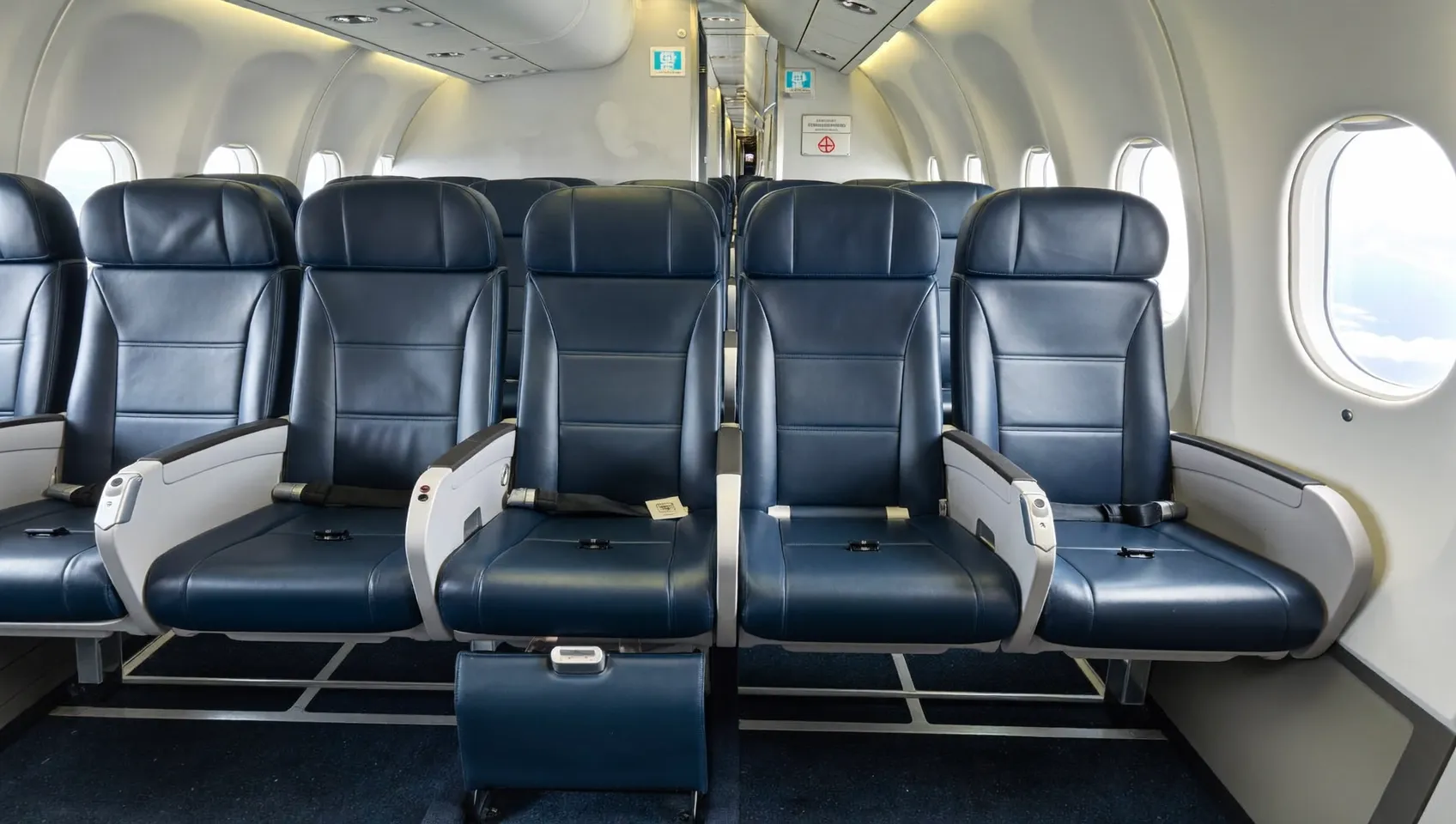
The emergency exit seat is not a privilege but a duty to assist in evacuation. Find out who can sit there, the exceptions and the steps in this article.
The answer to who can sit in the emergency exit seat on a plane is conditional: only suitable adult passengers who can assist the cabin crew in an emergency and understand and follow instructions may sit there. Children, passengers with infants and those unable to perform the duty are not seated there. The age limit varies by airline and aircraft type.
In brief
- The emergency exit seat is not a privilege but a duty to assist in evacuation; only suitable adults may sit there.
- Passengers with children, infants, or those unable to perform the duty are not placed in this row.
- The age limit and fee vary by airline; verify the current rule with the airline.
- Your chosen seat is not guaranteed; the cabin crew may change the seating based on your suitability.
The essence of the rule: why is this seat set apart?
The emergency exit row is reserved for passengers who, under the cabin crew's direction, can open the exit door or hatch. In an evacuation, seconds matter. The person in this seat is expected to act independently and quickly.
Therefore, the rule is a definition of duty, not a privilege. The passenger seated there agrees to take on this duty. A passenger who does not agree is placed in another seat. The rule is based on flight safety regulations; airlines apply it according to their own conditions.
The general conditions are as follows:
- Being an adult (the lower age limit varies by airline and regulation)
- Being physically able to open the exit hatch or door by pushing, pulling, or lifting
- Being able to understand and respond to the cabin crew's verbal instructions
- Agreeing to carry out the instructions
Since numerical thresholds such as age limits vary by airline and aircraft type, we do not give a figure here. Check your airline's current rule.
Who cannot sit there?
Passengers in the following situations are not placed in the emergency exit seat. The restriction is not intended to discriminate; it is for evacuation safety.
- Young children and infants: Child passengers and passengers carrying infants cannot sit there. An adult accompanying a child is also not placed in this row since they need to stay with the child.
- Those with mobility limitations: Passengers who cannot adequately use an arm, leg, or hand and cannot lift and stow the hatch.
- Those who cannot hear or see instructions: Passengers who cannot hear and understand the crew's verbal instructions, or cannot see the exit path and cannot perform the duty without assistance.
- Those with a language barrier: Passengers who do not understand the language used by the cabin crew for instructions.
- Those who may block the exit path: Passengers who, due to an item they are carrying or their condition, could block the path.
- Health conditions that make the duty difficult: Some airlines also include conditions such as pregnancy, serious illness, or the effects of medication that make performing the duty in an evacuation difficult.
The details of this list vary by airline. If you are unsure about your health condition, consult the airline at the time of booking.
Differences by airline and aircraft type
The emergency exit layout is not the same on every aircraft. Over-wing exits, rows next to doors, and rows facing front or rear doors may be subject to different conditions.
Seat selection and fee
Many airlines offer the emergency exit row as a separate seat type. Whether an extra fee is charged, and whether it can be selected at the time of booking or at check-in, depends on the airline and ticket class. You will see the amount on the ticket screen.
Seat recline
Since a reclined seat could narrow the exit path, the seat back in some rows is fixed. Usually, the fixed seat is the row immediately in front of the emergency exit. In layouts with two exits, the same restriction may apply to the row behind the first exit. The situation in the exit row's own seats varies by aircraft type. Check the notes on the seat map; if unsure, ask the airline.
Check-in stage
Some airlines assign these seats only at the airport, after your suitability has been confirmed. A seat you selected online may also be reassessed by check-in or gate staff.
To see the seat conditions for your chosen flight, you can compare your flights on the search for flight tickets page.
Common mistakes and exceptions
Passengers get a few things wrong about this seat.
- "I'm eligible, so the seat is mine." Eligibility alone is not sufficient. The cabin crew can change the seating if necessary.
- Choosing it to sit with a child: It is not possible to take this seat in order to sit in the same row as a child. Plan a different row as a family.
- Placing baggage in front of you: Items are generally not placed under the seat in these rows. Your carry-on goes in the overhead bin. The exit path must remain clear.
- Swapping seats with someone else: Do not change seats without the cabin crew's approval. The crew determines who sits in the emergency exit row.
- Refusing the duty: If you say during the briefing that you do not accept the duty, you will be moved to another seat. Whether a refund is given depends on the airline's conditions.
As an exception, the emergency exit seat you purchased or selected is not guaranteed. If your suitability cannot be confirmed or the aircraft changes, the airline may move you to another seat. In this case, how a refund or difference is processed depends on the airline's conditions; read the terms on the ticket page.
Step by step: how to get an emergency exit seat?
- Check your eligibility. Read the conditions above and the conditions on the airline's page.
- Open the seat map during booking. The emergency exit row is usually shown with a separate color or icon. If there is a fee for selection, you will see the amount on the same screen.
- Make the selection or leave it for check-in. If online selection is closed, check the seat map again during online check-in.
- Get confirmation at the airport. Check-in or gate staff may ask about your eligibility. Give clear and brief answers to the questions.
- Listen to the briefing on the plane. The cabin crew will repeat the conditions verbally and ask for your acceptance.
- Change seats if necessary. If it is decided that you are not suitable, move to the seat indicated by the crew without arguing.
The aim at every step is the same: for the crew to see you as someone who can perform the duty. So if you have a situation that requires assistance, state it at the time of booking, not on the plane.
Checklist before you set off
After buying your ticket, review the following items:
- Verify from the seat map whether the seat is in the emergency exit row.
- Check that you and the passenger sitting next to you meet the conditions.
- If you are traveling with a child or infant, do not choose this row.
- Read the airline's extra fee and refund conditions on the ticket page.
- Note the check-in time; seat assignments are usually finalized at this stage.
- Make sure you are able to listen to and understand the cabin crew's instructions during the briefing.
- For connecting flights, check the conditions separately for each flight.
If you're looking for a flight for a short trip abroad, October 29 route suggestions abroad can help you decide which city to go to. Once you've decided on the route, check your flight's seat map and conditions using the list above.
Frequently asked questions
Can a 15-year-old sit in the emergency exit seat?
This varies by airline and the regulation the flight is subject to. Some regulations allow those aged 15 and above, while some airlines may set a higher limit. Check your airline's current rule for the exact age condition.
Is there an extra fee for the emergency exit seat?
Many airlines sell this row as a paid seat, while some offer it for free. You will see the amount on the booking screen. The eligibility condition also applies to seats assigned for free.
Can a pregnant passenger sit in the emergency exit seat?
Since pregnancy can make performing the duty in an evacuation difficult, some airlines do not place pregnant passengers in this row. The rule varies from airline to airline. Consult your airline before booking for current conditions.
What happens if I don't want to sit in the emergency exit seat?
If you inform the cabin crew that you do not accept the duty, they will place you in another seat. Whether a refund is given depends on the airline's conditions. Follow the crew's instructions calmly.
Does the seat recline in the emergency exit row?
The seat back in the row immediately in front of the exit is usually fixed, because a reclined seat could narrow the exit path. The situation in the exit row's own seats varies by aircraft type. Check the notes on the seat map.
What should I do if I can't select the emergency exit seat online?
Some airlines assign these seats only at the airport. Tell the staff at check-in that you want this seat. If your eligibility is confirmed, the seat will be given to you.
My Travel Team
Travel Editor
The My Travel team prepares up-to-date travel, visa and tourism information and guides.